Working in Glass
Working in Glass
An exploration of how a twisted triangle of glass tubing democratized the field of chemistry and laid the foundation for the contemporary laboratory.
By Spencer Wright Originally published by Asimov Press (March 04, 2026)
This piece is a preview of the upcoming volume, Making the Modern Laboratory, scheduled for release this summer.
The Revolutionary Power of DIY Science
In the 1830s, a radical concept emerged that remains vital today: the idea that scientific equipment does not need to be purchased from a specialist—it can be built by the researcher.
With a modest investment in glass tubing, a heat source, and some persistence, a chemist can construct a wide array of analysis kits. The utility of glass lies in two primary properties:
- Hermetic Sealing: It is airtight, allowing for precise control over chemical inputs.
- Transparency: It allows the scientist to visually monitor reactions in real-time.
If an experiment fails, the solution is simple: throw the whole lab away reheat the glass, reshape the apparatus, and iterate. This philosophy—"work in glass"—became the catalyst for uncovering the most complex mysteries of biological and chemical life.
The "Extraordinary" Career of Justus Liebig
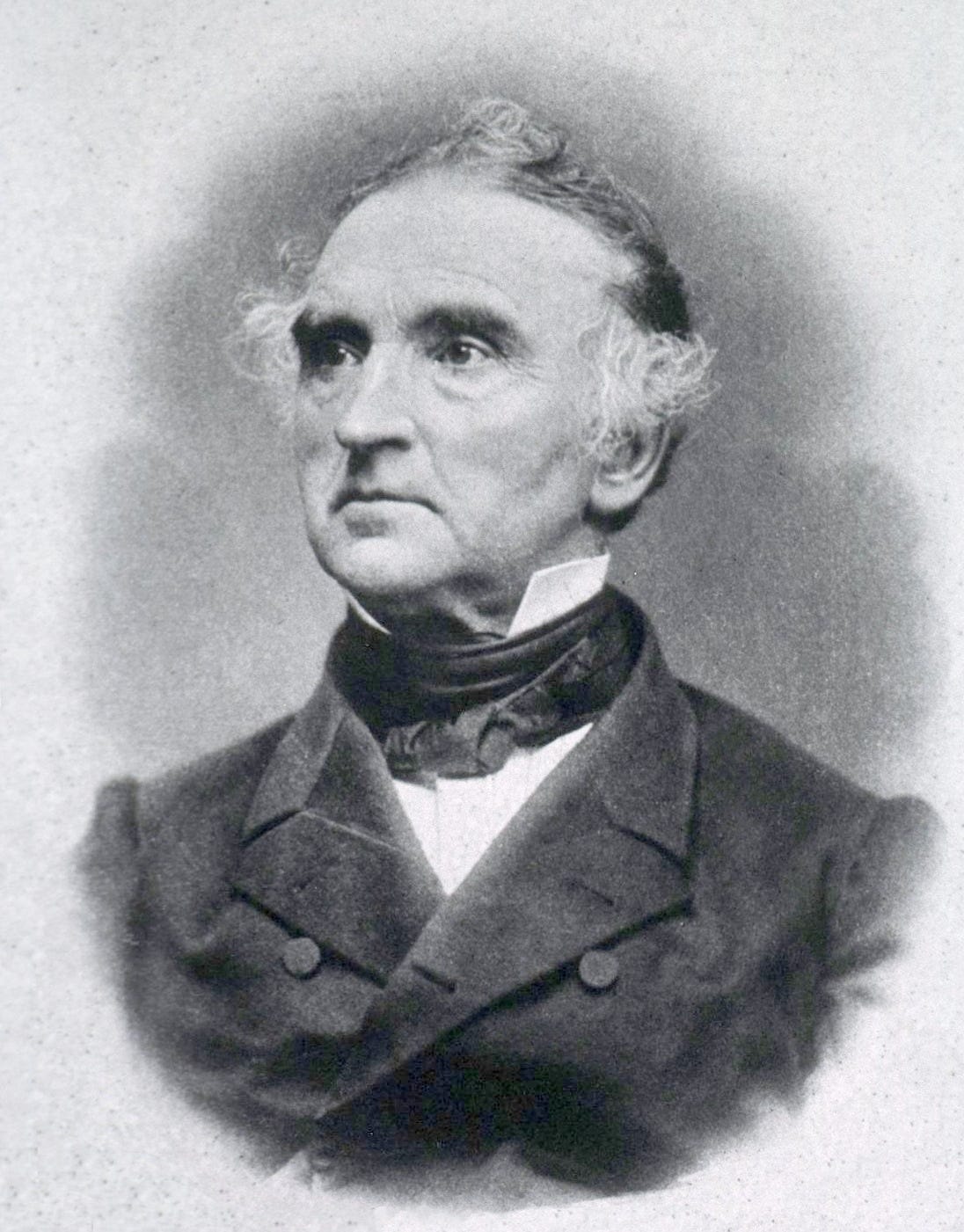
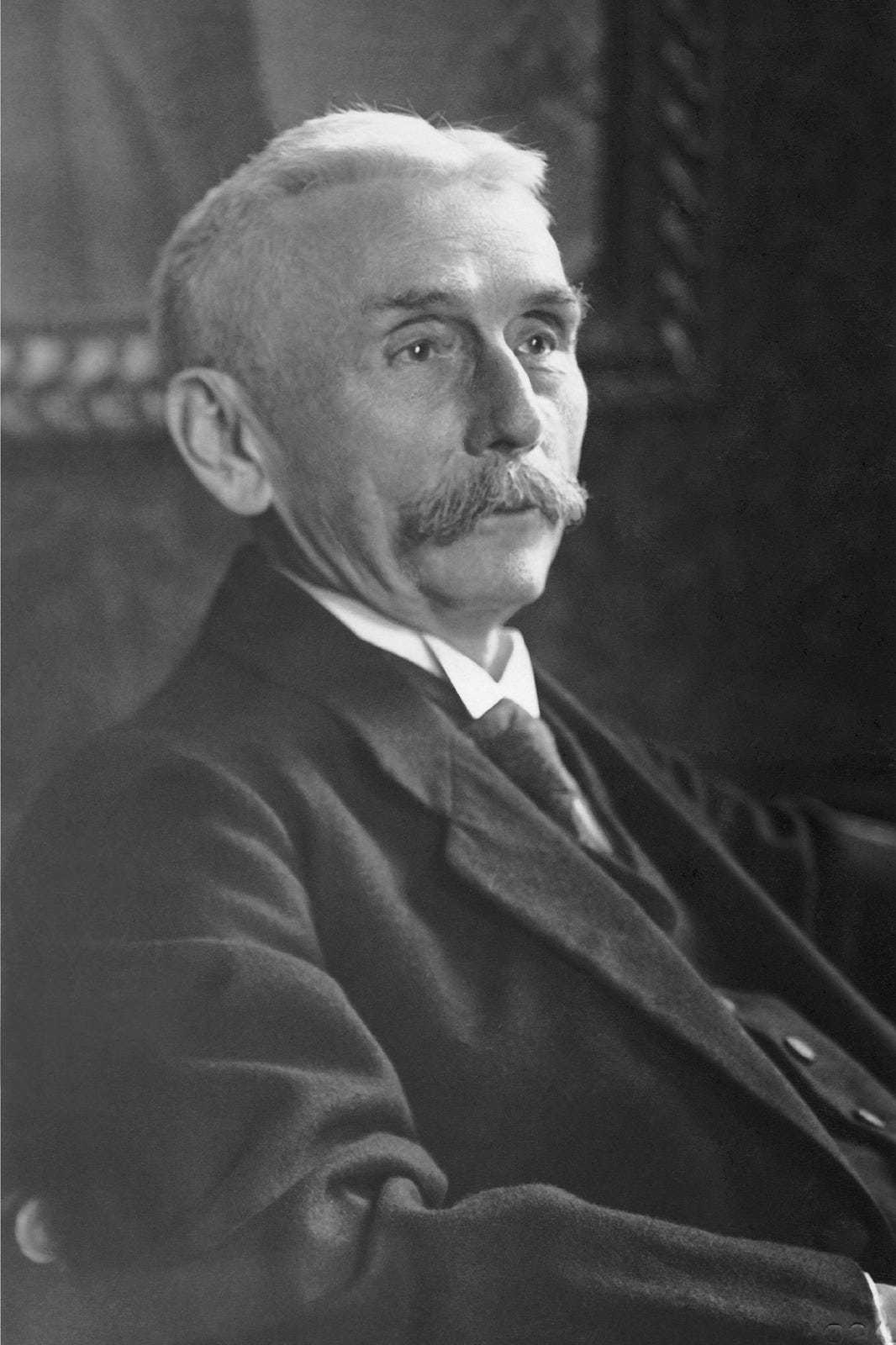
The driving force behind this movement was Justus Liebig. He held the prestigious, if ironically named, title of Extraordinary Professor of Chemistry. The "extraordinary" nature of the role likely referred to how little he was paid rather than the prestige of the position.
Liebig was initially reluctant to take the job. He preferred the intellectual vibrancy of Paris—the global epicenter of chemistry—where he had already established a reputation by age twenty-one. However, the University of Giessen offered him a small stipend to build a laboratory. In 1821, Liebig traded the excitement of the city for the constraints of a small town.
A Tale of Two Methodologies
The lack of funding and infrastructure in Giessen forced Liebig to innovate. While in Paris, studying under Joseph-Louis Gay-Lussac, Liebig had used a eudiometer to analyze silver fulminate.
| Feature | Parisian Method (Eudiometer) | Liebig's Vision (DIY Glass) |
|---|---|---|
| Mechanism | Volumetric measurement of gases | Gravimetric (mass-based) measurement |
| Cost | High / Expensive | Low / Accessible |
| Production | Required professional glassblowers | Created by the chemist/student |
| Usability | Finicky and fragile | Robust and replicable |
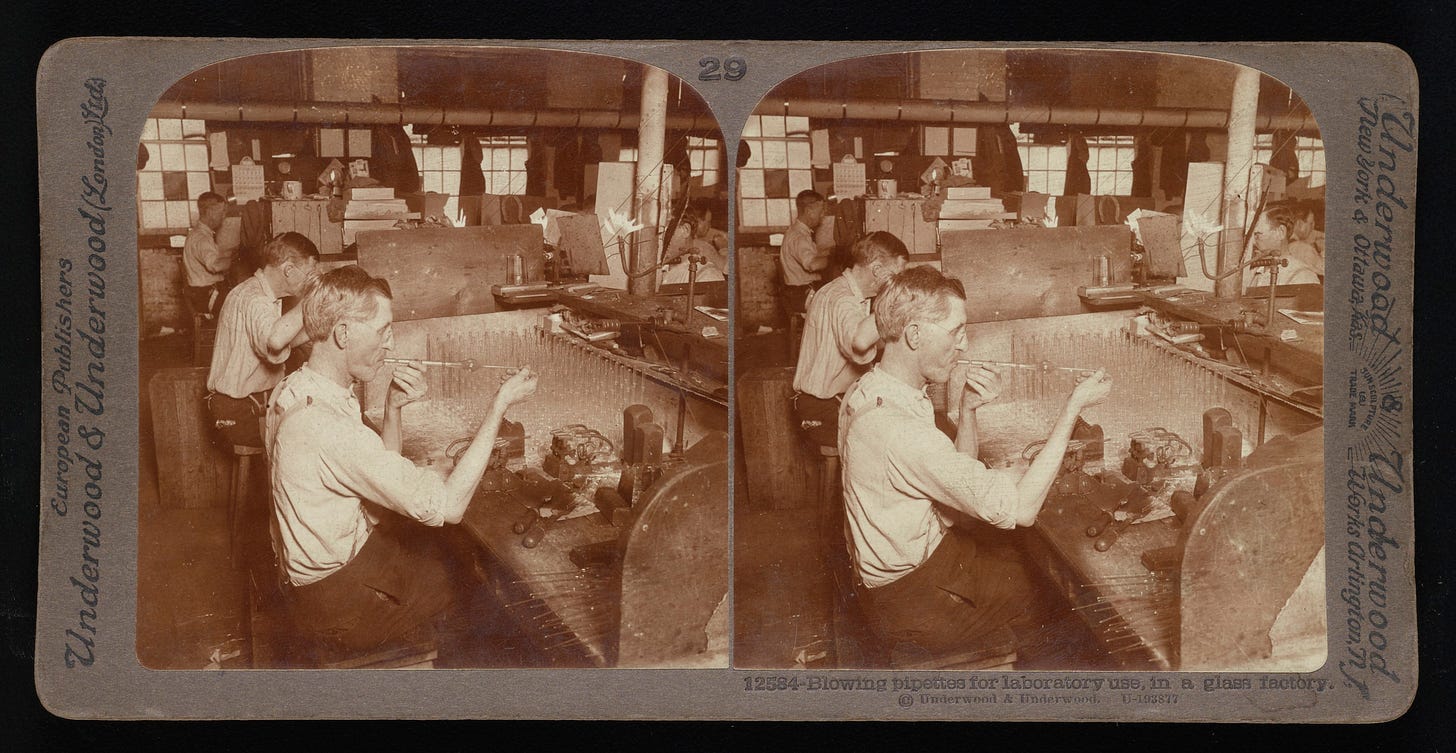
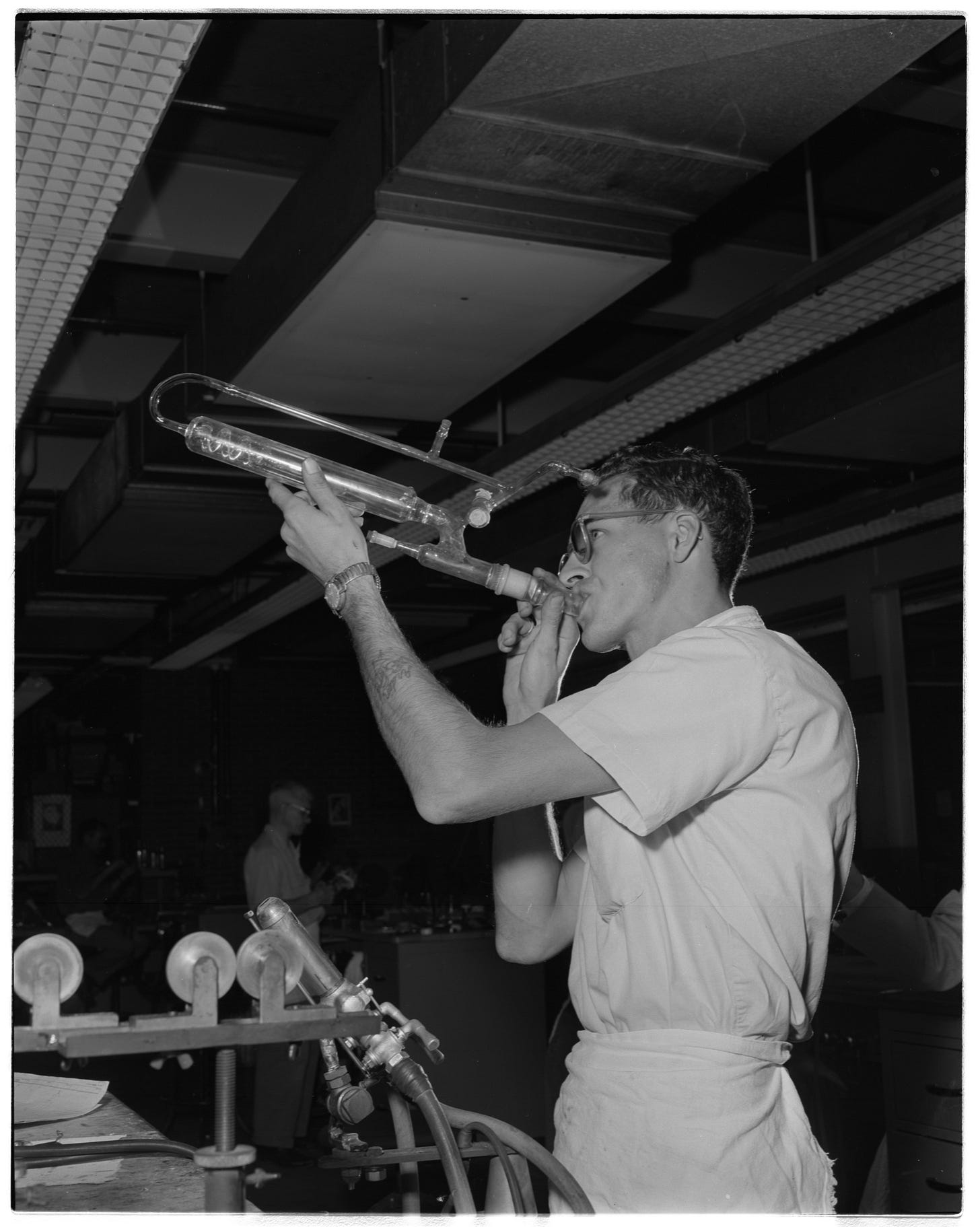
Because Giessen lacked the specialized glassblowing infrastructure of Paris, Liebig's research initially stalled. Driven by ambition, he founded an independent institute to teach applied chemistry and returned to Paris specifically to master the art of glassblowing.
The Invention of the Kaliapparat
By 1830, Liebig was ready to challenge the chemical establishment in Berlin and Paris. He argued that their methods of analyzing organic molecules—which measured carbon and nitrogen together—were fundamentally flawed. To prove his point, he created the Kaliapparat.
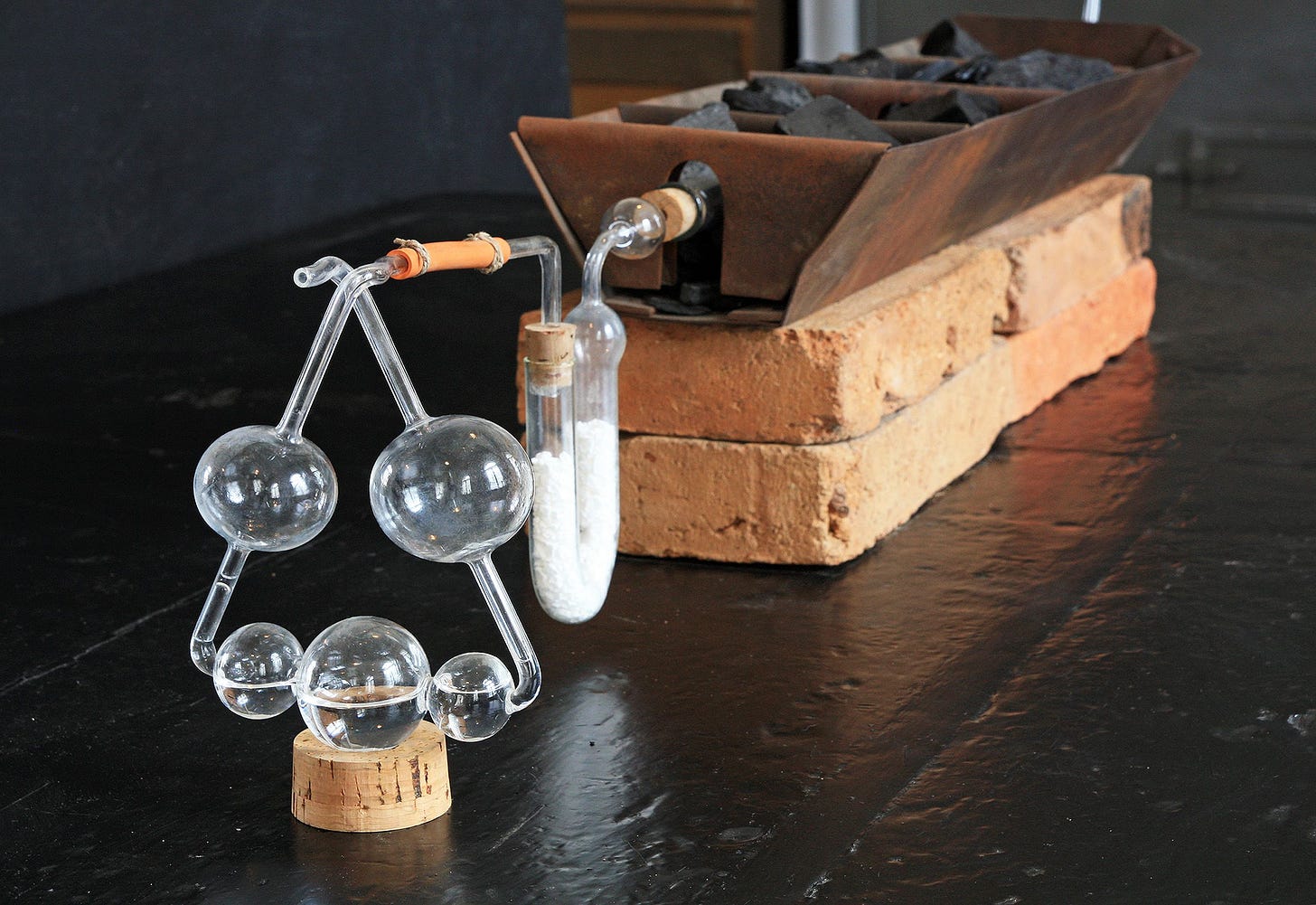
The Kaliapparat was a distinctive, twisted glass triangle featuring five spheres. Its operation can be summarized by the following logic:
The Chemistry of Carbon Capture
The device functioned by bubbling combustion gases through a solution of potassium hydroxide. The chemical reaction can be represented as:
To find the carbon content, Liebig used a simple mass-balance equation:
The Nuance of "Failure"
While the Kaliapparat was a triumph for carbon analysis, it was a disaster for nitrogen. Liebig had originally intended to determine the nitrogen content of morphine, but the process was plagued by side reactions.
"As he admitted to Berzelius... his method of nitrogen determination was ‘tiresome, time-consuming and, in a word, quite unbearable,’ while nitrogen’s side reactions had driven him to ‘despair,’" writes historian Catherine Jackson in Molecular World.
Despite this, Liebig was a master of framing. When he published his findings in 1831, he simply downplayed the nitrogen failures and marketed the device as "A New Apparatus," focusing entirely on its reliability for carbon measurement.
Democratizing the Lab
Liebig didn't just want a better tool; he wanted to dismantle the "Parisian chemical orthodoxy." He achieved this through a deliberate pedagogical campaign:
- 1833: Embedded construction instructions within a translated French-to-German article.
- 1834: Had an assistant perform a live demonstration of the Kaliapparat's construction at a professional meeting.
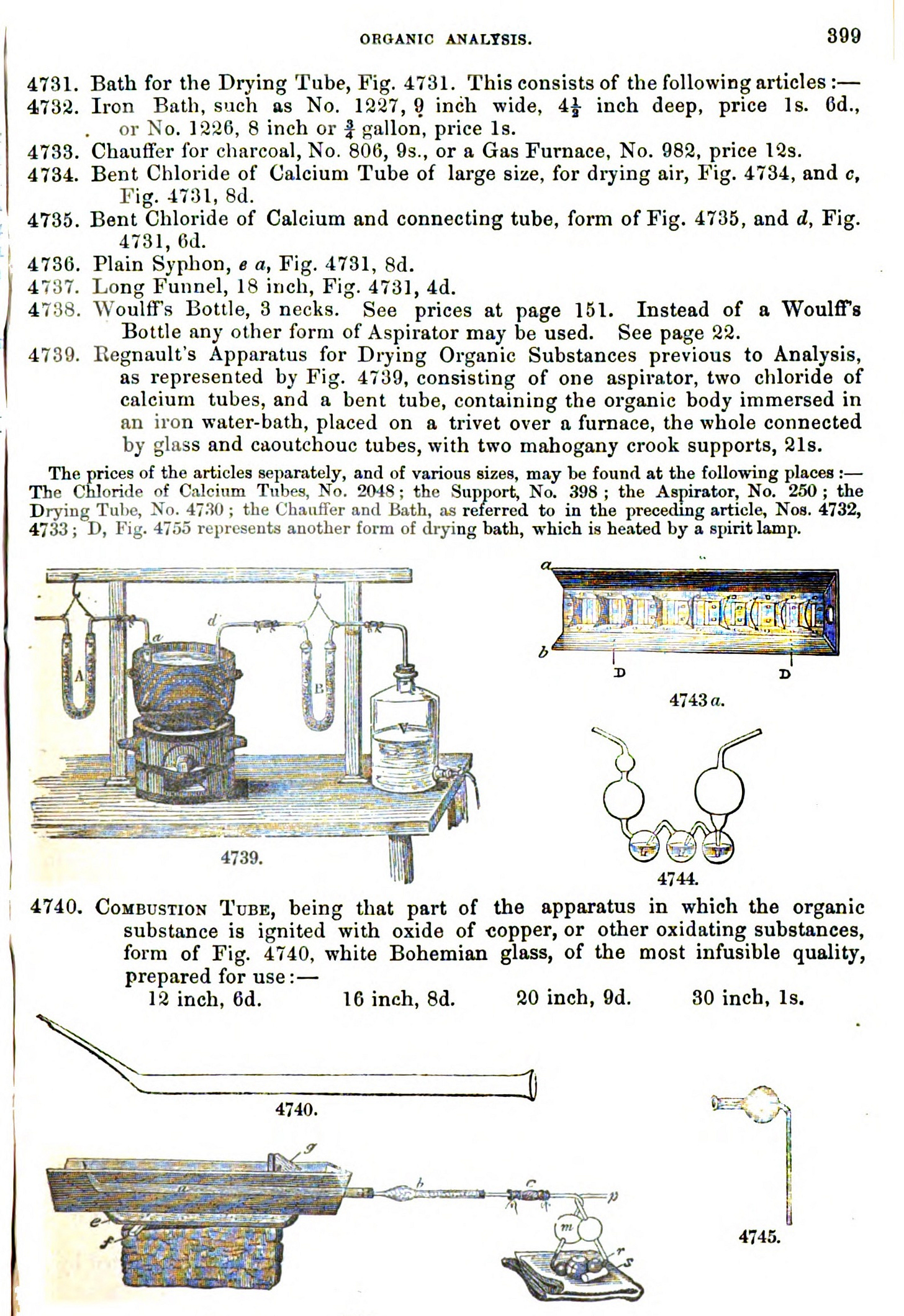
- 1839: Published a comprehensive textbook on organic analysis detailing how to build and use the vessel.
By encouraging chemists everywhere to build their own equipment, Liebig ensured that his methods were proven through widespread replication. This shift turned the 1840s into a golden era of analytical chemistry.
Visual Archive