Electric motors with no rare earths
Rare-Earth-Free Electric Motors: Renault's Technological Edge
While the vast majority of the electric vehicle (EV) market—roughly 90%—relies on motors containing permanent magnets, Renault Group has taken a different path. By pioneering motors that require no rare earths, Renault is distinguishing itself through a strategic and sustainable approach to powertrain engineering.
Understanding Electric Motor Fundamentals
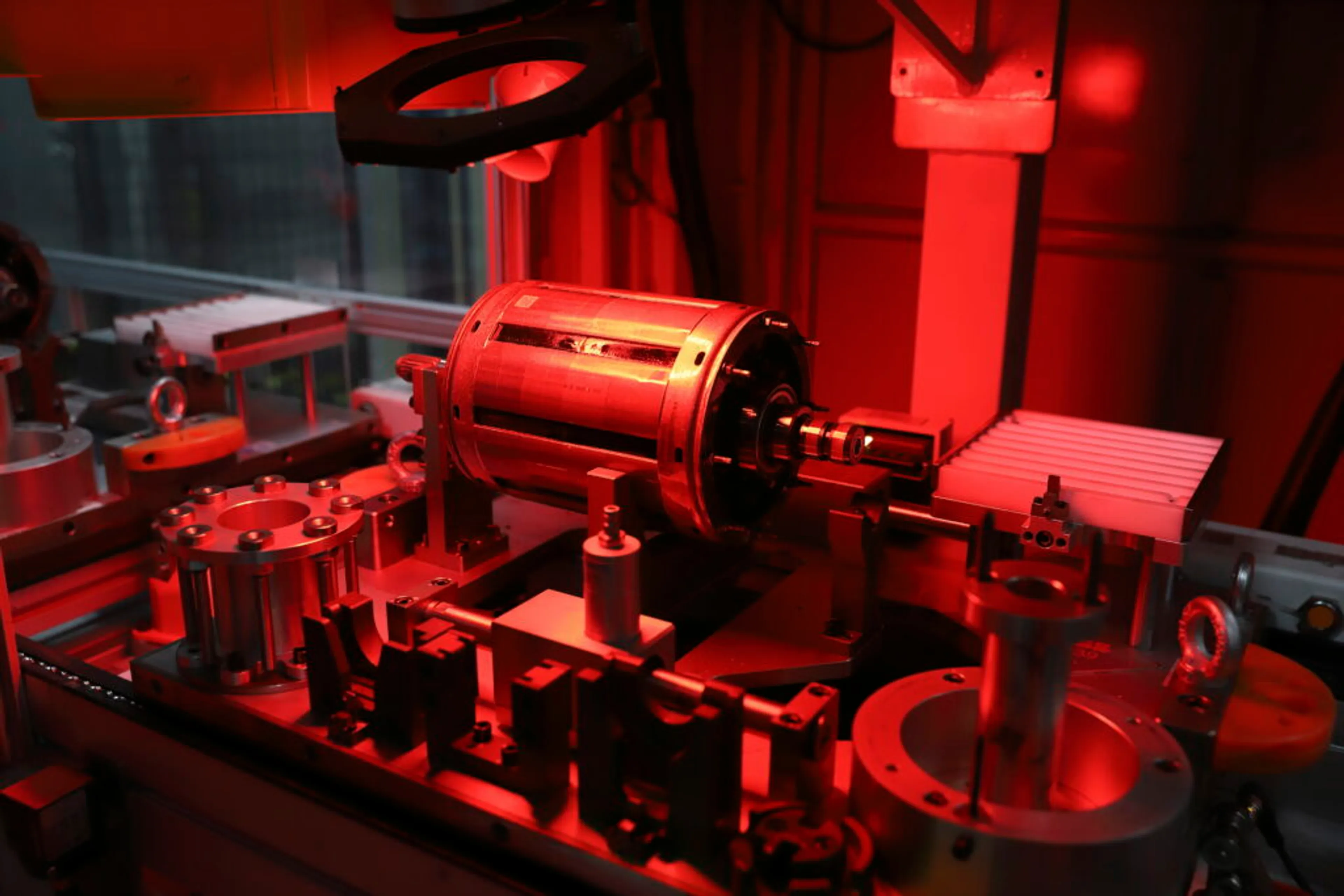
At its core, an electric motor replaces the pistons and cylinders of a combustion engine. It transforms electrical energy from the battery into mechanical energy. This is achieved via a magnetic field generated by an electrical current in the stationary part of the motor, known as the stator. This field induces motion in the rotating part, the rotor, which ultimately drives the vehicle's wheels.
The Three Primary Motor Architectures
There are three main categories of electric motors, each with distinct technical trade-offs:
- Permanent-Magnet Synchronous Motors: The current industry standard. They offer high efficiency and a compact footprint but rely heavily on rare earth materials.
- Asynchronous Motors (ASM): Also known as induction motors. These are magnet-free and highly efficient in certain contexts, though generally less so than permanent-magnet versions. Consequently, they are often relegated to secondary motors on a front axle.
- Electrically Excited Synchronous Motors (EESM): This is Renault's specialty. EESMs provide high efficiency levels without the need for magnets.
The Evolution of Renault's EESM Range
Renault has been a visionary in the EV space since 2011, committing to the mass production of EESM technology across three distinct generations.
First Generation: The Foundation
Launched in 2011, the first EESM motors (referenced as 5A) powered the Renault Kangoo Z.E. and the Renault Zoe (2012), delivering outputs between 57 and 100 kW. This lineage concluded in 2020 with the Twingo Electric, which utilized the 5AL variant with a 60 kW output.
Second Generation: Power and Compactness
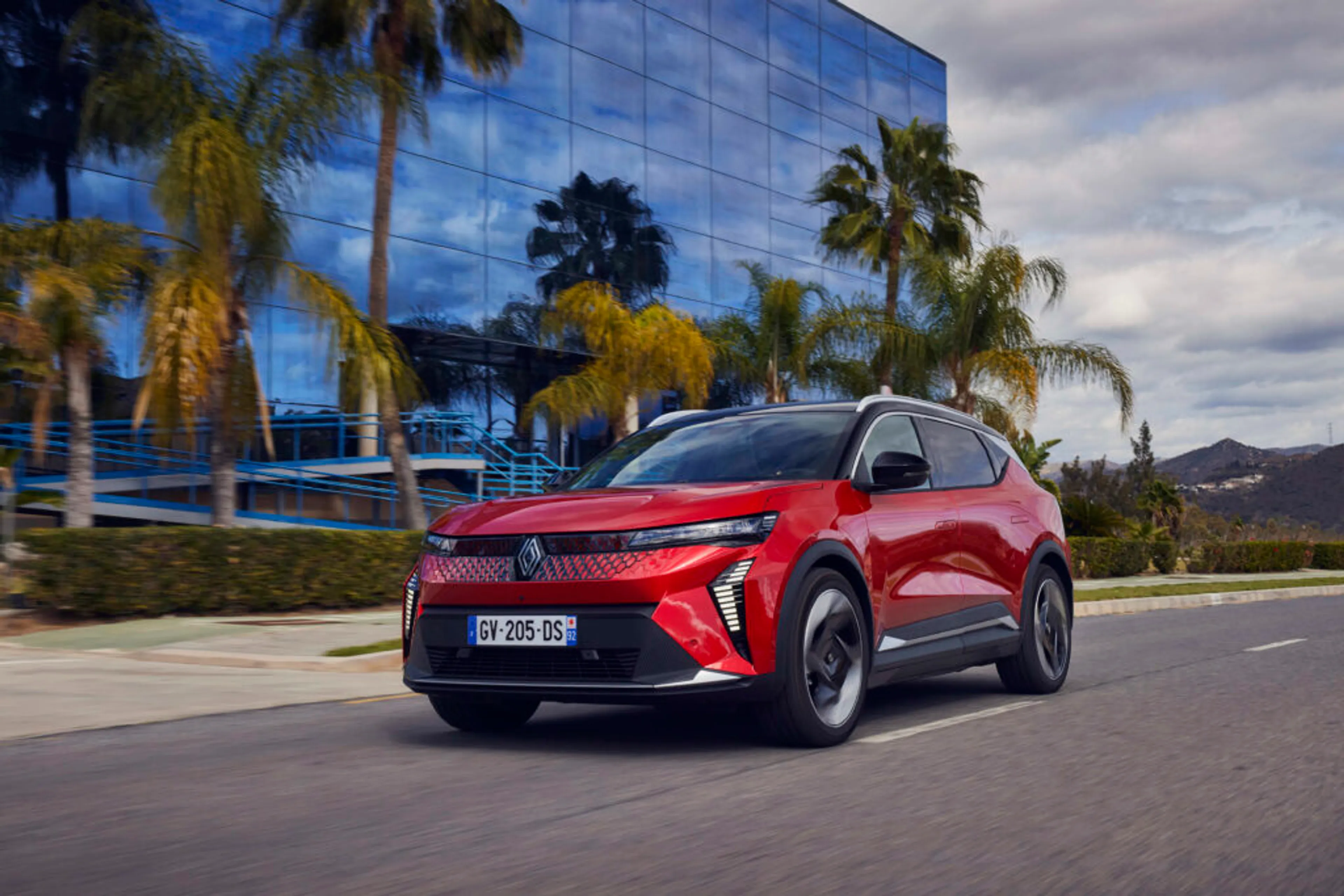
Production began in 2021 with the 6A series. This generation is smaller, lighter, and significantly more powerful.
- Megane E-Tech electric: Debuted the
6AMmotor (up to 160 kW) in early 2022. - Scenic E-Tech Electric & Alpine A290: Subsequent models utilizing this architecture.
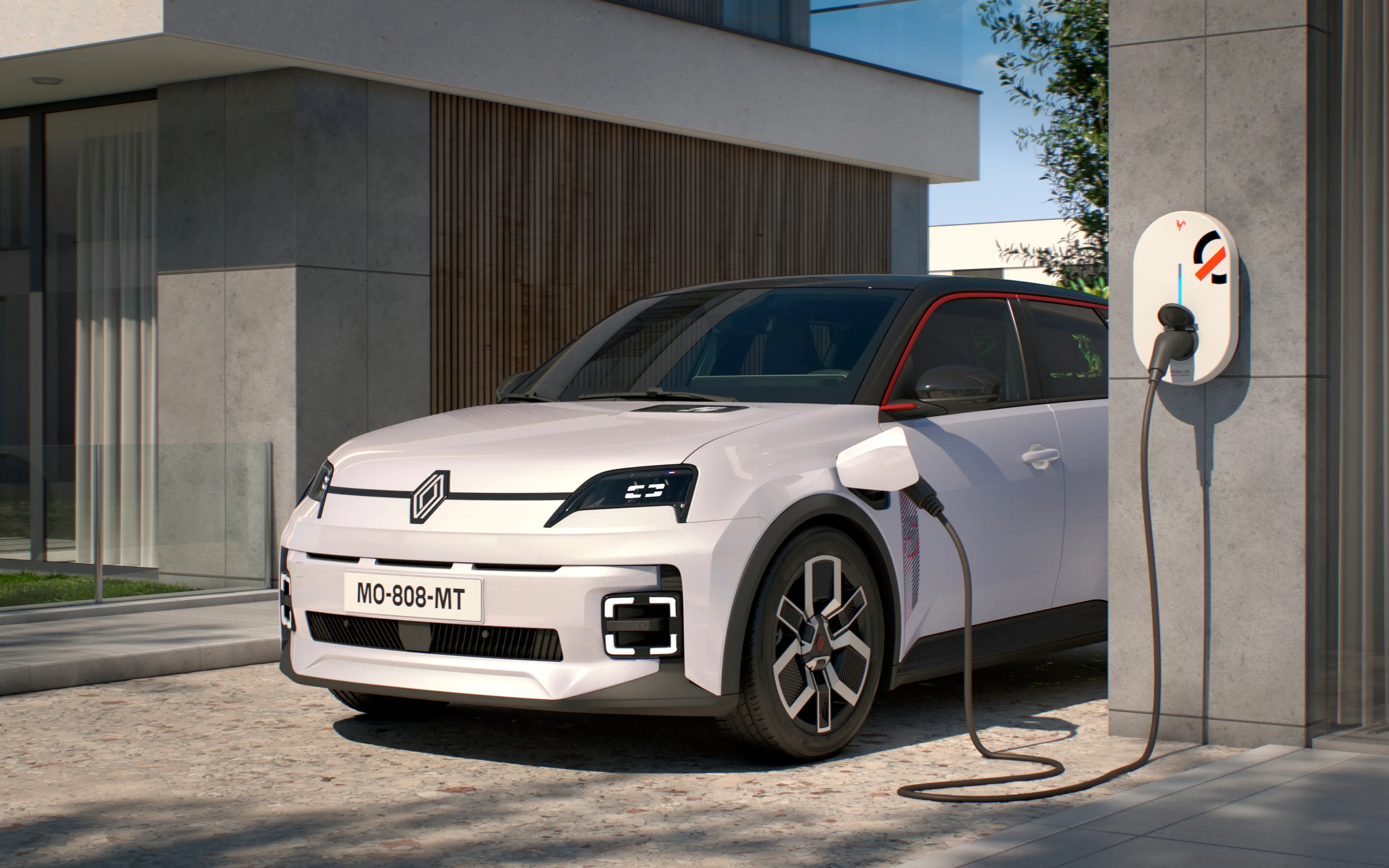
- Renault 5 & 4 E-Tech: Both feature the
6AKmotor with an output of 110 kW. - Alpine A390: A cutting-edge setup unveiled in September 2025, combining a
6AMmotor on the front axle with a new twin-motor rear axle, totaling approximately 345 kW.
Third Generation: The E7A (Coming 2027)
Currently in development, the E7A motor represents a massive leap in performance and sustainability. The frozen specifications include:
- Performance: 200 kW (~270 hp) and 400 Nm of torque.
- Efficiency: Approximately 92%.
- Sustainability: 30% smaller than previous generations and a 30% reduction in the carbon footprint of its all-in-one architecture.
- Charging: A shift from 400V to an 800V architecture, significantly slashing charging times.
A Strategic Imperative: Breaking the Rare Earth Monopoly
The decision to use a wound rotor instead of permanent magnets is not merely a technical choice—it is a geopolitical strategy.
The supply chain for rare earths is heavily concentrated:
- China produces 85% of the world's purified light rare earths and 100% of heavy rare earths.
- China controls over 90% of global permanent magnet production.
- As the world leader in EV production, China prioritizes its own domestic market and high-value products.
By eliminating rare earths, Renault reduces its vulnerability to supply chain disruptions and avoids dependence on a single dominant global supplier.
The Heart of Production: The Cléon Plant
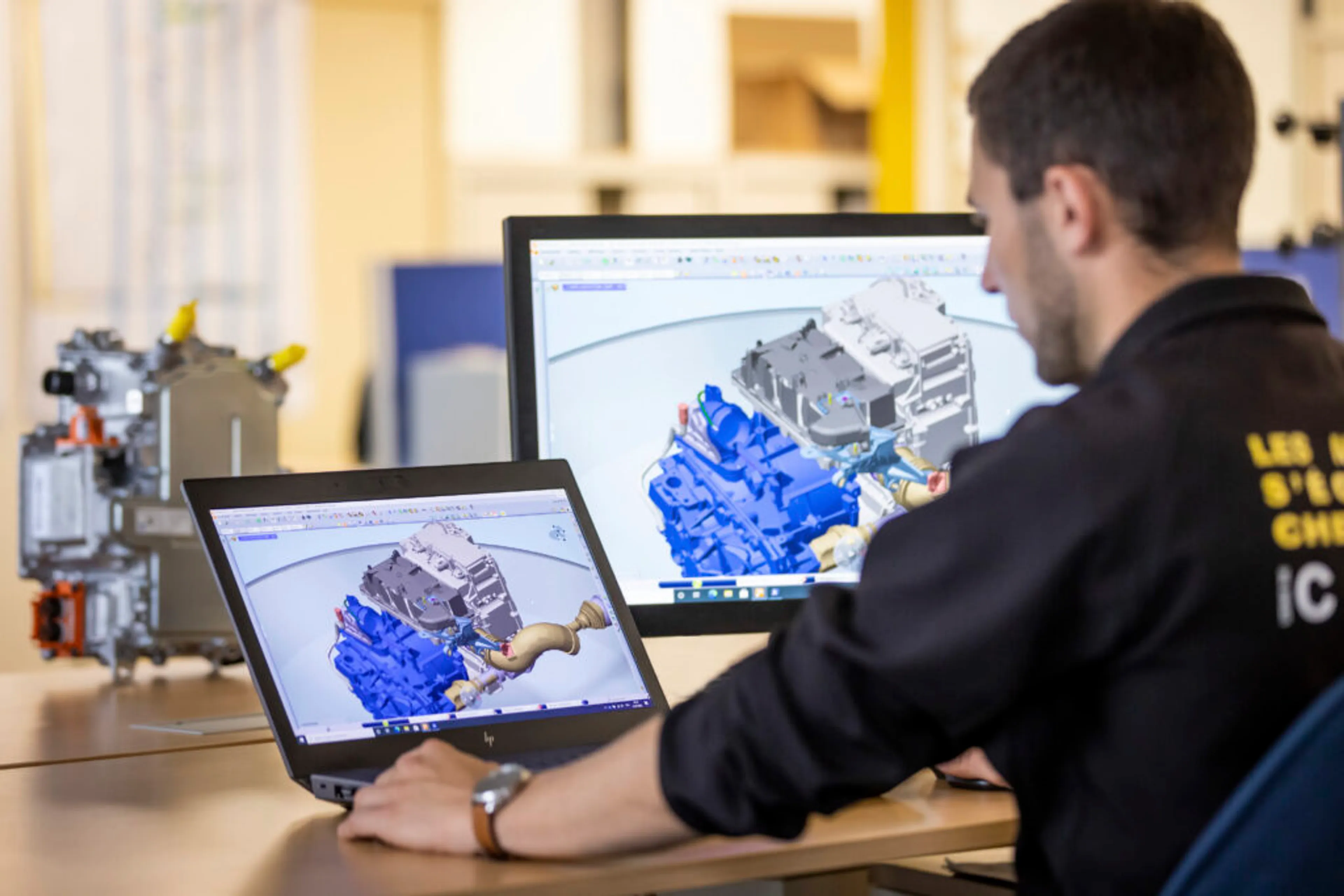
Since 2015, the Cléon plant has served as the hub for Renault Group's powertrain manufacturing. It began with the Zoe, Twingo, Kangoo, and Master ZE models. Today, it produces the motors for the entire modern E-Tech and Alpine lineup. Starting in 2027, Cléon will transition to producing the next-generation 200 kW E7A motors.