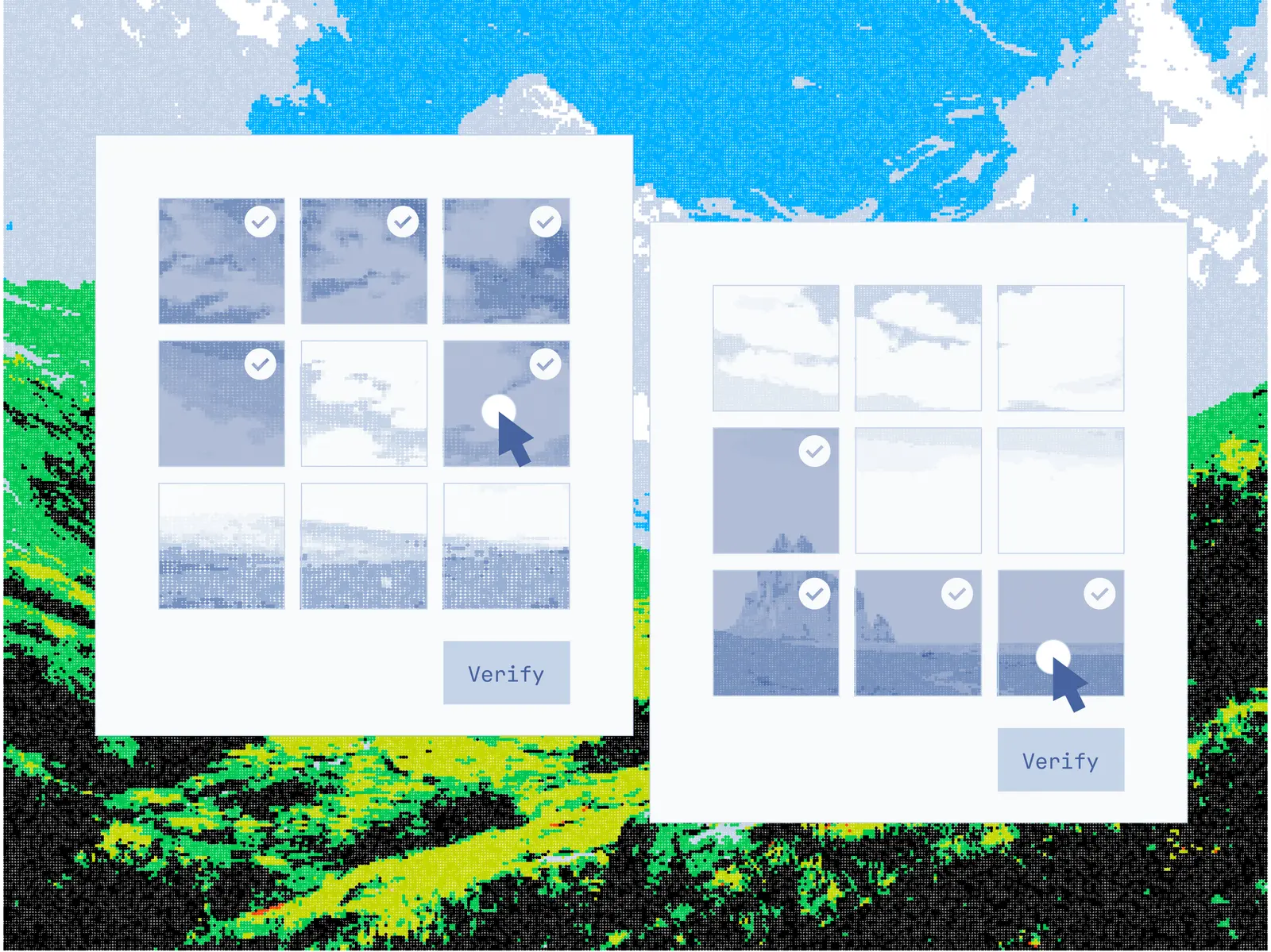
CAPTCHAs have failed for 20 years
The 20-Year Collapse of CAPTCHAs
By Harsehaj Dhami (Engineering at Browserbase) June 18, 2026
⚡ TL;DR
Every single iteration of the CAPTCHA—from warped text to complex image grids—has eventually been conquered by machine learning. As AI agents begin to handle real-world workflows, the security paradigm is shifting: we are moving from testing what a browser can do to verifying who the browser is.
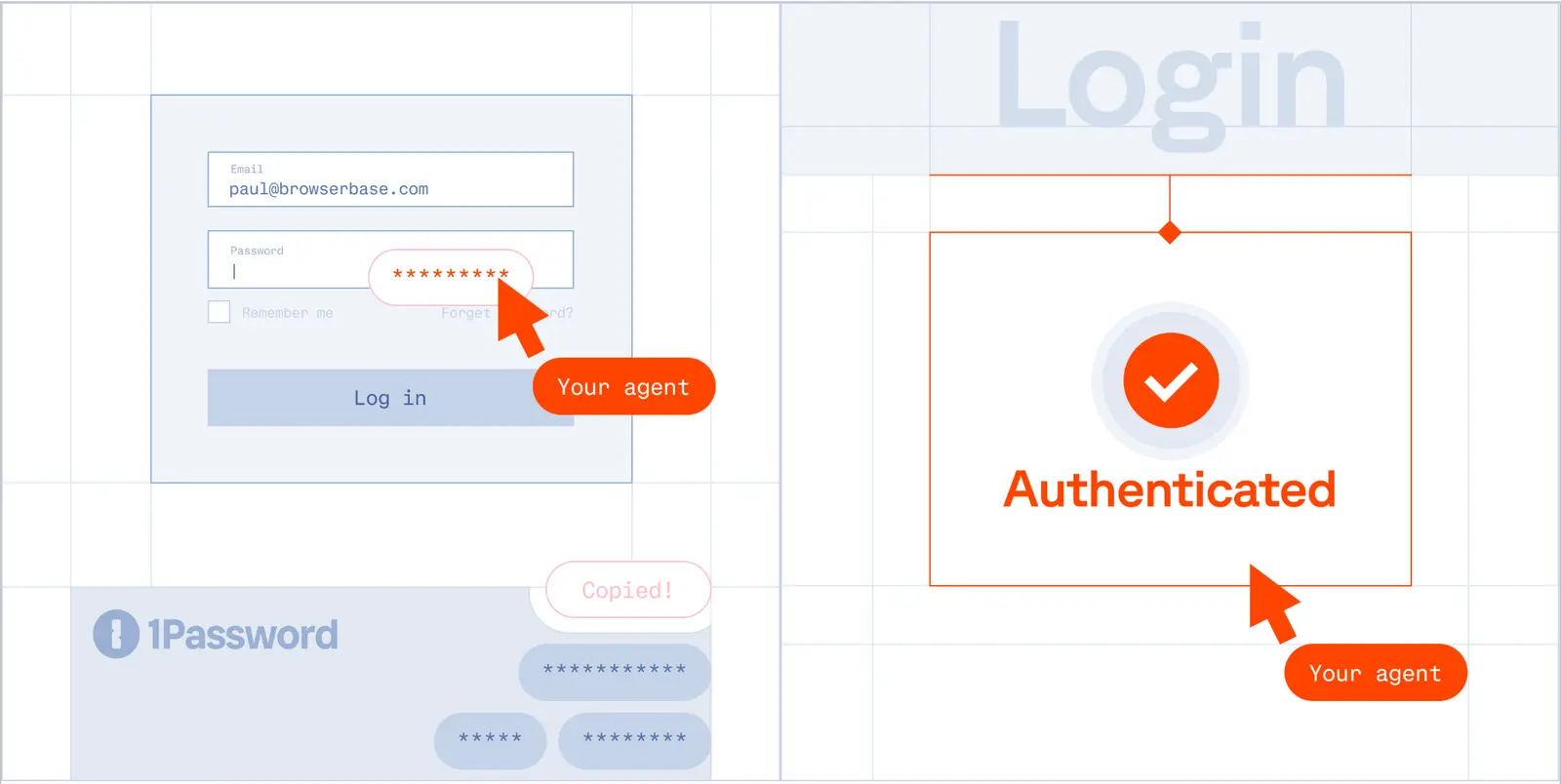
This is why Browserbase is developing agent identity via Verified and Web Bot Auth. The ultimate strategy for "solving" a CAPTCHA is to ensure the agent never encounters one in the first place.
The Eternal Arms Race: From Pixels to Identity
If you have ever spent your afternoon clicking on every blurry crosswalk or bus in a grid, you have been a subject in one of the web's most enduring security experiments. These tasks are CAPTCHAs, designed to prove your humanity.
As the web exploded in the late 1990s, so did the motivation for abuse. Spammers flooded forums, bots scraped search results, and scripts created fake accounts by the thousands. Site owners faced a fundamental dilemma: How do we distinguish a human from a script?
CAPTCHA is a backronym for Completely Automated Public Turing test to tell Computers and Humans Apart. The term was established in a 2003 paper by researchers Luis von Ahn, Manuel Blum, Nicholas Hopper, and John Langford at Carnegie Mellon.
While a standard Turing test asks a human to identify a machine through conversation, a CAPTCHA reverses this: the machine asks the question, and the user passes if they respond in a "human-like" manner. The goal is purely economic:
For two decades, this has been a cycle of failure. The pattern is always the same:
🛠️ Level 1: The Era of Distorted Text
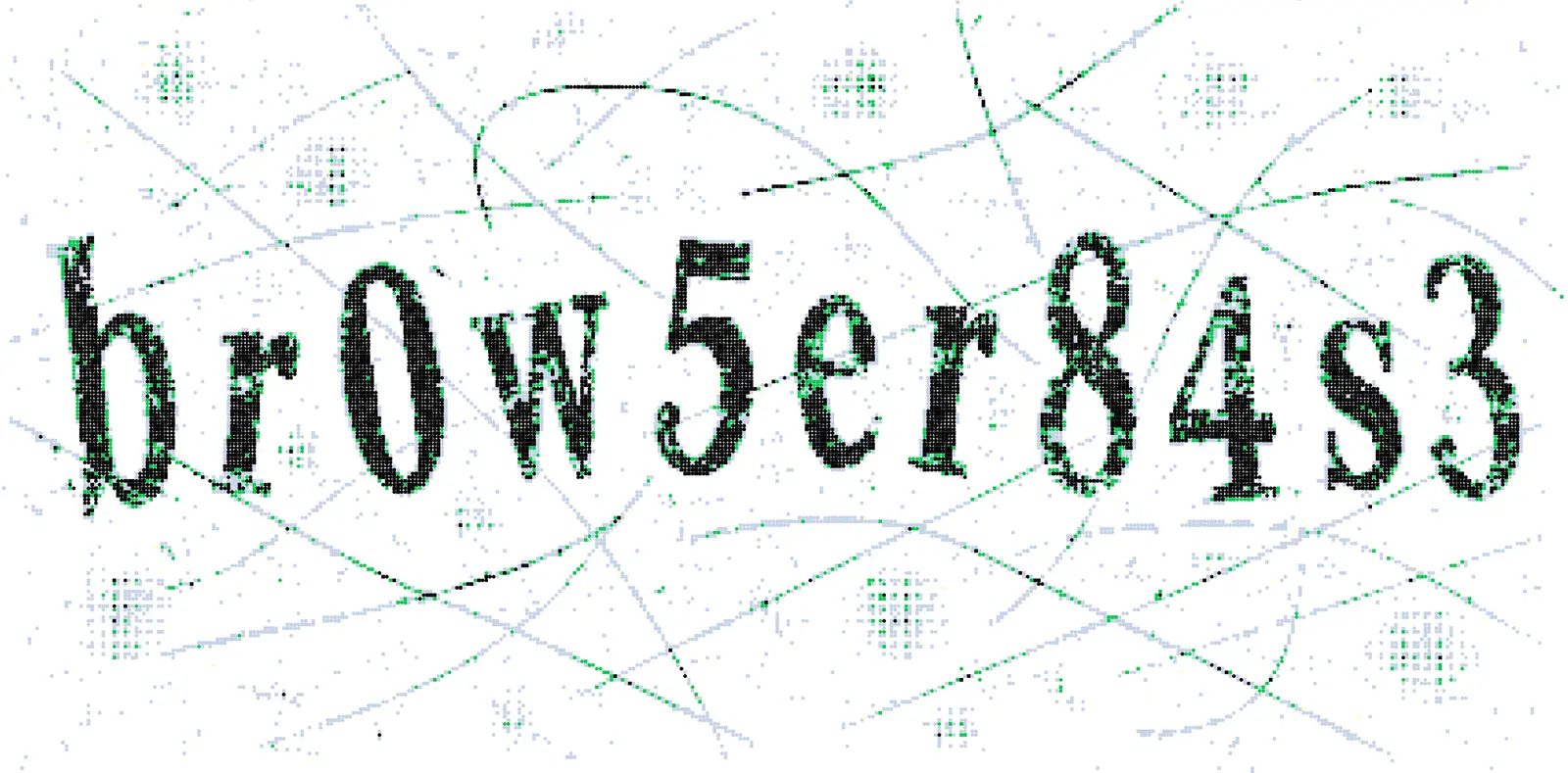
The initial solution was based on a simple premise: computers cannot read. Early CAPTCHAs utilized distorted text—warped letters, random noise, and overlapping lines.
Humans are naturally gifted at pattern recognition, even when pixels are missing. However, early Optical Character Recognition (OCR) struggled with non-standard fonts or skewed characters. If a bot couldn't find the boundary between two letters, it couldn't read the word.
🐈 The Counter-Attack
Attackers realized they didn't need a "brain"; they needed a pipeline. Since CAPTCHAs were generated in stages, they could be dismantled in stages:
- Noise Removal: Strip away background artifacts.
- Binarization: Convert the image to strict black-and-white.
- Segmentation: Isolate individual characters into regions.
- OCR Processing: Feed the clean regions into a reader.
What started as an AI problem was solved as an image processing problem.
🛠️ Level 2: Increasing the Complexity
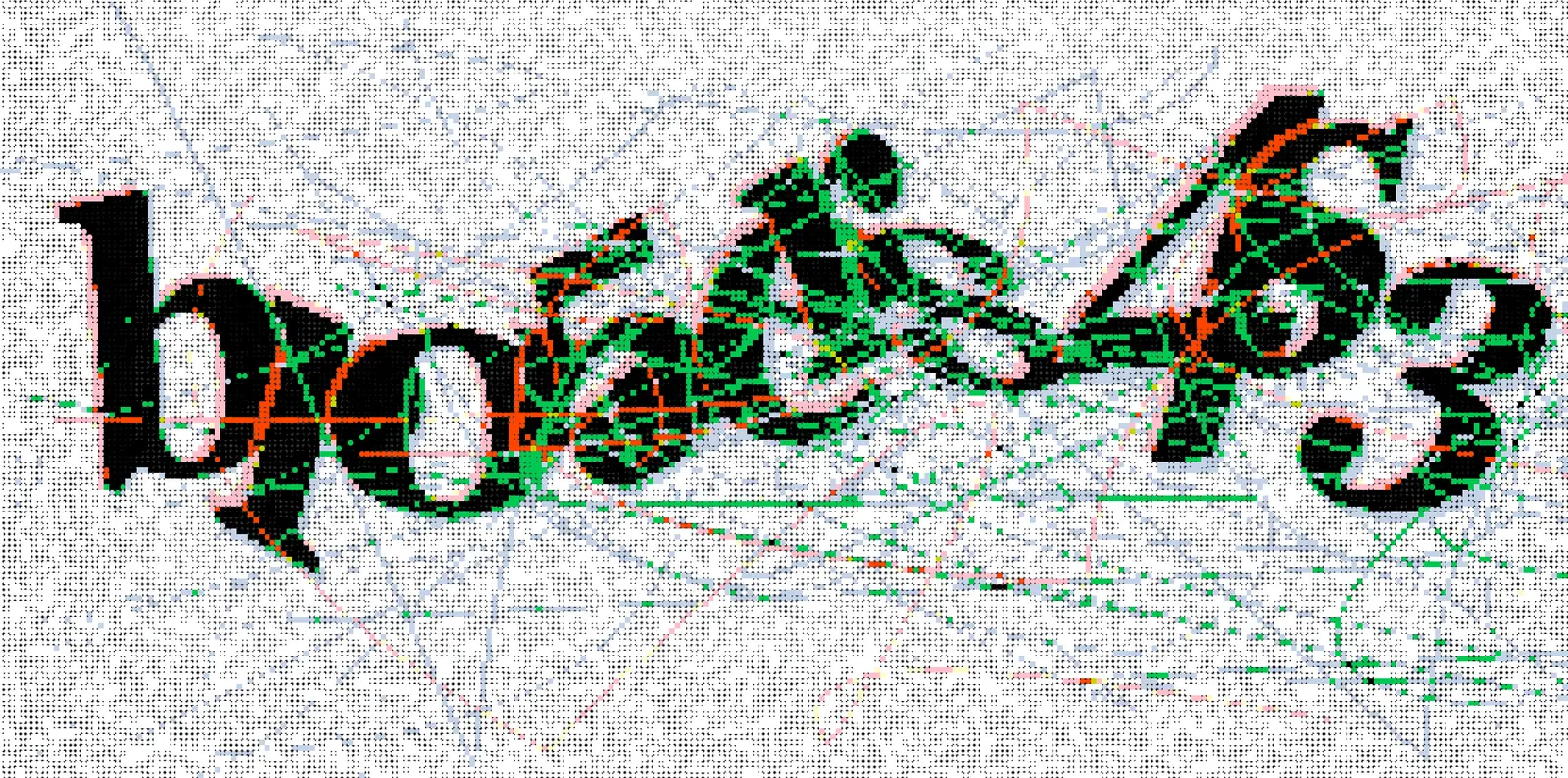
Defenders responded by making segmentation impossible. Letters began to overlap and shapes became abstract. This led to the rise of reCAPTCHA, which turned this wasted human effort into a utility: users digitized old books and archives that OCR couldn't handle.
🐈 The Counter-Attack
Traditional OCR relied on "hand-engineered" rules (like edge detection). Attackers pivoted to Neural Networks. Instead of telling the computer how to recognize a letter, they fed the model millions of examples and let it learn the patterns itself.
The result? Neural networks could identify distorted characters without needing perfect segmentation. Eventually, these tests became harder for humans to solve than for the AI.
🛠️ Level 3: Semantic Understanding (The Image Grid)
By the 2010s, the assumption that "computers can't read" was dead. Designers shifted from character recognition to semantic understanding. Now, you had to find the "traffic lights" or "bicycles."
Humans do this effortlessly, regardless of the angle or lighting. For computers, this was initially another template-matching problem:
# Traditional computer vision approach
features = combine(
    detect_edges(image),
    detect_corners(image),
    compute_gradients(image)
)

if matches_bicycle_template(features):
    return "bicycle"
🐈 The Counter-Attack
The real world is too messy for templates. However, the 2009 ImageNet dataset provided millions of labeled images, allowing researchers to train models at an unprecedented scale.
In 2012, AlexNet (a deep neural network) crushed traditional vision systems. The question was no longer "Can a computer see a bike?" but rather "How much data can we feed the Convolutional Neural Network (CNN)?"
Summary of the Evolution
| Generation | Test Type | Human Strength | Machine Weakness | The "Killer" Tech |
|---|---|---|---|---|
| Level 1 | Distorted Text | Pattern Recognition | Rigid OCR | Image Processing Pipelines |
| Level 2 | Complex Text | Contextual Reading | Rule-based Logic | Neural Networks |
| Level 3 | Image Grids | Semantic Meaning | Template Matching | CNNs & ImageNet |
🏁 The Current State of the War
- Distorted Text Solved
- Overlapping Text Solved
- Object Recognition Solved
- Browser Identity The New Frontier
The Path Forward
We have reached the end of the "challenge" era. When AI agents can see, read, and reason better than humans, a visual puzzle is no longer a barrier.
The industry is moving away from behavioral tests and toward identity verification. Instead of asking "Can you find the bus?", the system asks "Are you a verified agent with the proper credentials?"
Visual Evidence of the Race: