Doctors suspected man had brain cancer. He had worms
Mistaken Identity: When Brain Parasites Mimic Metastatic Cancer
The good news: It wasn't cancer. The bad news: It was a brain full of worms.
Medical professionals initially suspected a 60-year-old Spanish man was suffering from malignant tumors that had spread to his brain. However, upon closer inspection, they discovered the culprits were actually the heads of tapeworms.
Patient Profile & Initial Presentation
The patient arrived at the clinic with a persistent headache. While a neurological evaluation revealed a slight lag in his motor responses, no other major deficits were noted.
| Diagnostic Metric | Finding | Clinical Significance |
|---|---|---|
| General Blood Work | Mostly Normal | No immediate systemic failure |
| IgE Levels | Suggests allergies, autoimmune issues, or parasites | |
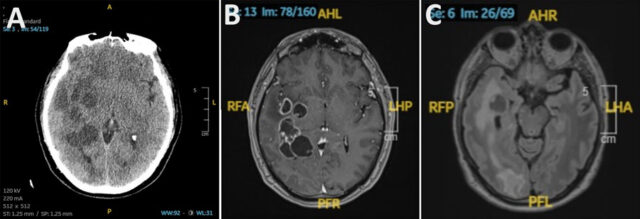
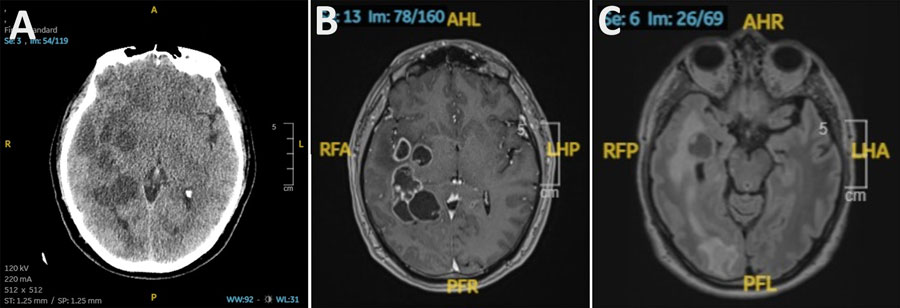
| Initial CT Scan | Multiple lesions + edema | High suspicion of metastatic disease |
The Diagnostic "Wild Goose Chase"
Because the patient was not immunocompromised and had no history of international travel, doctors focused their efforts on finding a primary cancer source. They followed a rigorous diagnostic protocol:
- Administer anti-inflammatory corticosteroids (provided headache relief).
- Perform a contrast-enhanced whole-body CT scan.
- Conduct a colonoscopy to check for gastrointestinal malignancies.
- Execute a hybrid PET/CT scan to map potential cancer sites.
-
Confirm malignancyPivot to parasitic investigation.
The turning point occurred during a high-resolution Magnetic Resonance Imaging (MRI) scan.
"With the more detailed imaging, they saw clearly that the lesions weren’t tumors; they were encapsulated tapeworm larvae."
The MRI allowed doctors to identify the scolex (the head of the worm) within the cysts.
Understanding the Parasite:
The infection was identified as neurocysticercosis (NCC), caused by the pork tapeworm, . The doctors were puzzled because these worms are not endemic to Spain. However, the patient had spent years in construction working with migrants from regions where the parasite is common. They suspect "cryptic transmission" via shared bathrooms or meals.
The Life Cycle of
The parasite can enter the human body through two distinct pathways:
- Intestinal Infection: Consuming undercooked meat leads to adult worms living in the gut.
- Systemic Infection: Consuming eggs (via poor hygiene/contaminated water) causes the larvae to burrow into the blood and migrate to tissues, including the central nervous system.
Recovery and Medical Takeaways
The diagnosis was officially confirmed when tests detected antibodies against . NCC is a dangerous condition that can lead to:
- Cognitive decline
- Stroke
- Seizures
- Severe neurological deficits
The patient was treated with a regimen of two anti-parasitic medications and made a full recovery.
Final Clinical Conclusion
The authors of the case report in Emerging Infectious Diseases noted that a lack of travel history should not rule out NCC. If the doctors had considered parasites earlier, the patient could have avoided invasive oncologic procedures and received targeted therapy much sooner.
About the Author:
 Beth Mole is a Senior Health Reporter specializing in public health and microbiology, holding degrees from the University of North Carolina at Chapel Hill and UC Santa Cruz.