German button maker searched rivers of American Midwest for valuable shells
The Shell Hunter: How a German Artisan Transformed the Iowa Riverfront
The Catalyst: A Mysterious Parcel
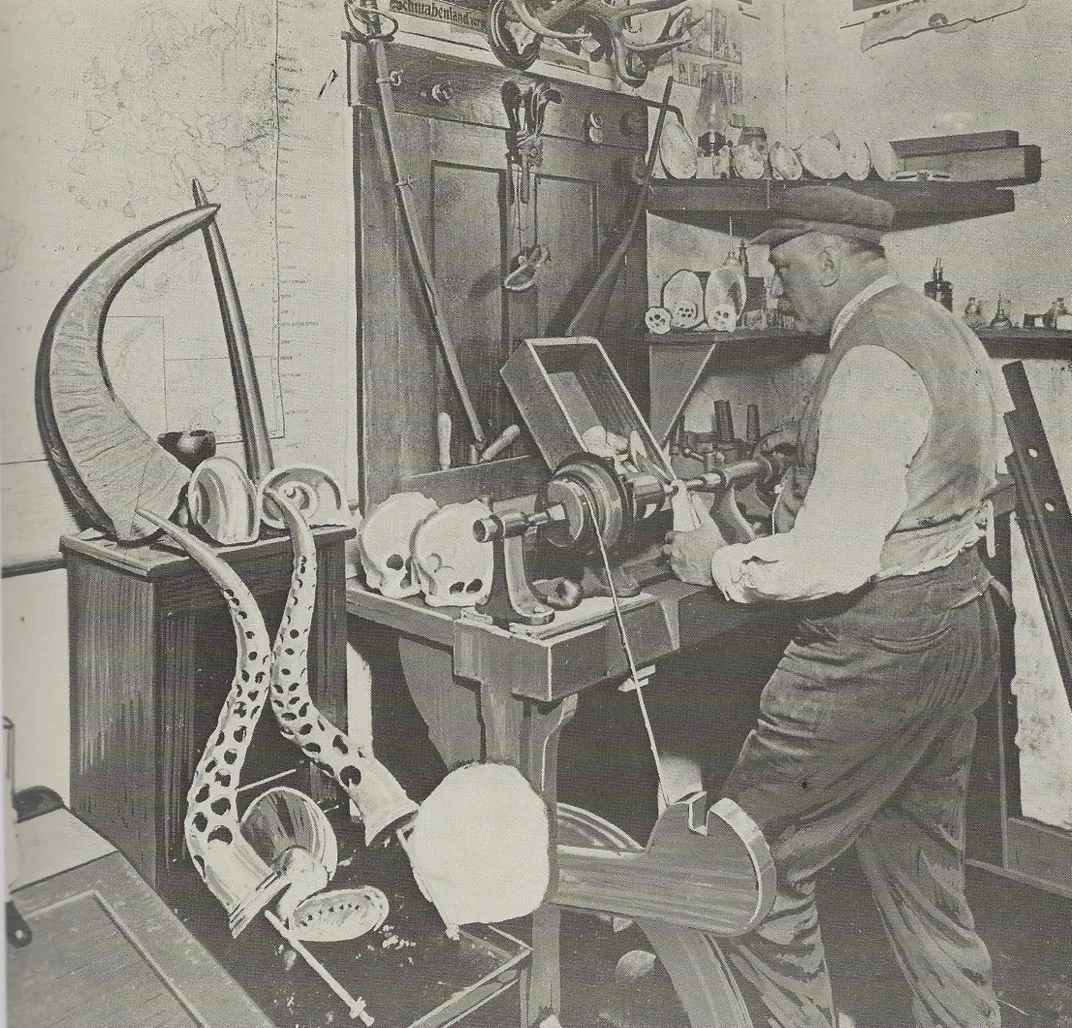
The narrative begins not in America, but in Ottensen, Germany, within the workshop of a skilled craftsman named John Boepple. In the mid-19th century, Boepple received a package containing freshwater mussel shells. While the exact origin is debated—some say they were sent from the Illinois River for a professional appraisal—Boepple knew they came from a region roughly 200 miles west of Chicago.
While his contemporaries overlooked these specimens, Boepple recognized a golden opportunity. The shells possessed a specific density and luster that made them ideal for crafting high-end pearl buttons.
The Migration and Discovery
Boepple was a master of his craft, experienced in working with bone, horn, wood, and shell. However, after German tariffs ruined his business, he joined the wave of 1.5 million Germans immigrating to the U.S. during the 1880s.
Despite arriving with limited funds and a poor command of the English language, Boepple was driven by a singular goal: finding the source of those lustrous shells. At the time, Midwestern factories were importing ocean shells, ignoring the treasures in their own backyards.
The Search Process
- Arrive in the United States (late 1880s)
- Scout the Sangamon River (Found shells, but they were too thin)
- Secure a financial partner
- Establish a plant in Muscatine, Iowa (1891)
Boepple's "eureka" moment occurred during a bath in the Sangamon River:
“Upon examination of the cause [of a cut on his foot], I found the bottom of the river covered with mussel shells. At last I found what I had been looking for.”
The Muscatine Boom
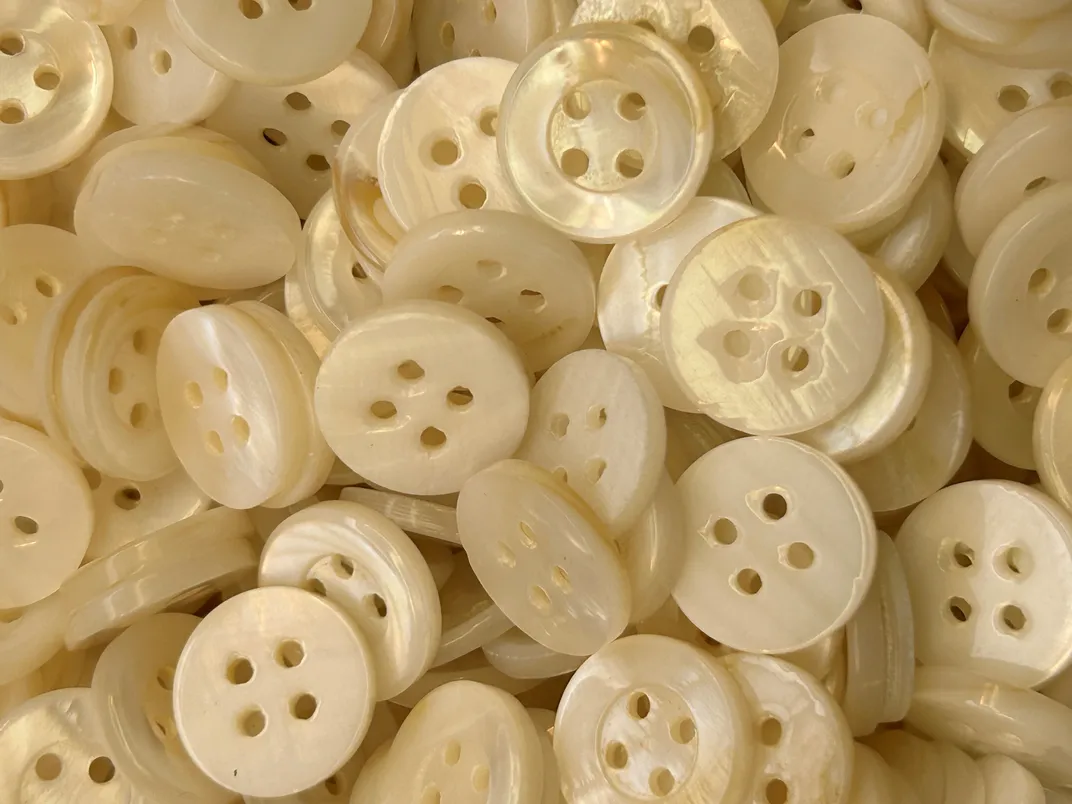
By 1905, Muscatine had evolved into the global epicenter of pearl button production. The town's population doubled as dozens of factories sprang up to exploit the "free" resource carpeting the riverbeds.
The Scale of Production
The sheer volume of output was staggering. At its zenith, the town produced 1.5 billion buttons annually. To visualize this, Dustin Joy of the National Pearl Button Museum provides a mathematical perspective:
If we assume each button is of an inch thick, the total height of a stack of 1.5 billion buttons is:
The Industrial Process
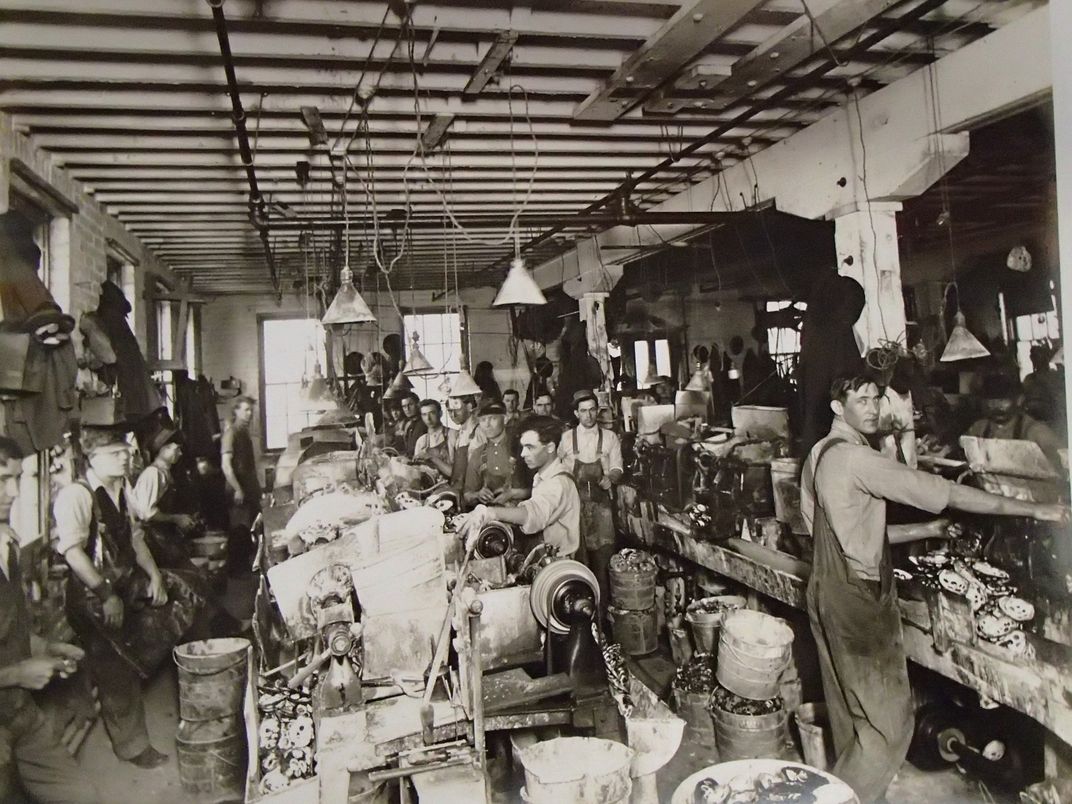
The transformation from a river mollusk to a fashion accessory was a rigorous industrial sequence.
Harvesting Techniques
Clammers utilized several methods to gather the raw materials:
- Wading: Feeling the river bottom with bare feet.
- Ice Fishing: Extracting mussels through holes in frozen winter rivers.
- The
crowfoot hook: Dragging specialized hooks along the bottom; when the hook touched the shell, the mussel would reflexively clamp shut, allowing the worker to pull it up.
Manufacturing Workflow
Legacy and Environmental Cost
While the industry brought immense wealth to Muscatine, it came at a steep ecological price. The relentless dredging of riverbeds led to what experts call an "environmental catastrophe."
| Impact Category | Result |
|---|---|
| Economic | Massive job creation; town size doubled; high prosperity. |
| Environmental | Decimation of local freshwater mussel populations. |
| Cultural | Establishment of the National Pearl Button Museum. |
Smithsonian Recognition
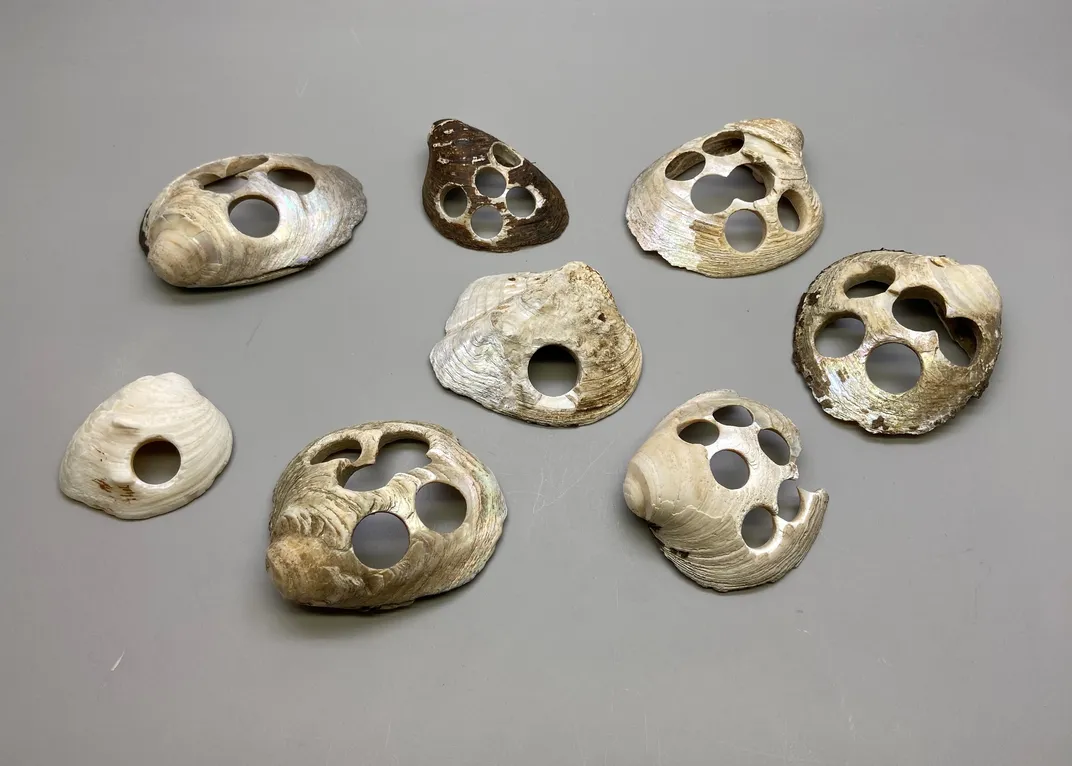
This history is currently highlighted in the Smithsonian’s National Museum of Natural History (NMNH) exhibition, "From These Lands." The show, which celebrates the 250th anniversary of the U.S., features over 600 artifacts from across the country, including 1907 mussel specimens and early 20th-century buttons from Dubuque and Muscatine Counties.
# Summary of the Boepple Legacy
def legacy_analysis():
    impact = {
        "founder": "John Boepple",
        "location": "Muscatine, Iowa",
        "resource": "Freshwater Mussels",
        "outcome": "Economic Boom / Ecological Collapse"
    }
    return impact

print(legacy_analysis())