Zluda 6 release (run unmodified CUDA applications on non-Nvidia GPUs)
ZLUDA 6: Enabling CUDA on Non-NVIDIA Hardware
Update Log: Q1 & Q2 2026 — Returning to the Roots Published on June 29, 2026
Hello everyone! Since I missed the previous update, this comprehensive issue summarizes all the progress made on ZLUDA since the beginning of the year.
🚀 Overview of Version 6
It is important to note that a "major release" in ZLUDA doesn't necessarily mean a breaking change or a single massive feature. Instead, it serves as a signal that enough cumulative progress has been made that users should try it again definitely give it another shot.
Version 6 is functionally identical to the latest preview build: 6-preview.79.
Key Highlights
- New Workloads:
- PhysX (currently in pre-alpha)
- Blender (now featuring texture support)
- General Polish: Continuous stream of minor enhancements and improved ML compatibility.
- Strategic Shift: A change in the project's overarching direction.
🎮 PhysX Pre-Alpha
With the current volatility of PC hardware pricing, many of us are returning to classic titles. To support this, a long-standing pull request (#651) has introduced support for 32-bit PhysX.
Impact on Gaming
For older titles relying on PhysX, AMD GPU users can now experience:
- Increased Frame Rates: Better performance in legacy titles.
- Enhanced Visuals: Access to effects like flames and debris that were previously NVIDIA-exclusive.
Case Study: Mafia II (2010 Original)
Running the built-in benchmark with all settings maxed and PhysX enabled:
| ZLUDA Status | Visual Result |
|---|---|
| OFF | 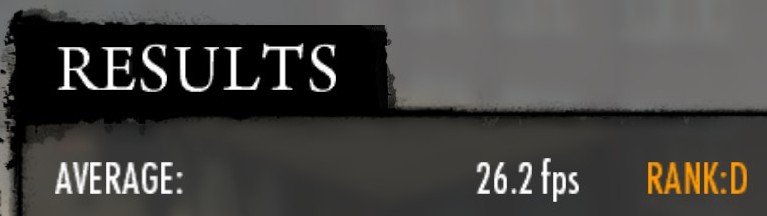 |
| ON |  |
Current Status Checklist
- 32-bit PhysX basic support
- 64-bit GameWorks basic support
- Fluid simulation stability (currently glitchy)
- Seamless Steam integration (current loading method is suboptimal)
Note: This has been tested on a unique GPU configuration. If you can compile from source, feel free to test it; otherwise, please wait for the official merge into preview builds.
🪟 Enhanced Windows Support
Historically, ZLUDA performed better on Linux than on Windows, primarily due to how performance libraries (like cuBLAS and cuDNN) are handled.
The ROCm Ecosystem Gap
| Feature | Linux ROCm | Windows ROCm |
|---|---|---|
| Installation | Unified package (Driver, Libs, Monitoring) | Fragmented (Driver via Adrenalin) |
| SDK Status | Integrated and compatible | Choice between outdated SDK or buggy nightlies |
To bridge this gap, ZLUDA has implemented the following:
- Better Guidance: The system now explicitly identifies missing libraries and provides installation instructions (#612).
- Robust Loading: The
zluda.exeloader now automatically manages performance libraries, removing the need for manual flags.
🤖 Machine Learning (ML) Improvements
Driven by user-submitted PyTorch traces, several targeted updates have been pushed to improve ML stability:
- New Instructions: Implemented via PRs
#599,#605,#607,#609,#642,#644, and#629. - Compiler Fixes: Resolved bugs in
#583,#588,#585,#596,#610,#601, and#603. - Library Optimization: Performance gains in
#587,#615,#619,#620,#621, and#624.
🧭 The New Direction
You may notice that some recent additions (like textures and PhysX) were previously listed as out of scope for the ZLUDA roadmap. This is due to a fundamental change in the project's nature.
ZLUDA is no longer commercially funded. It has returned to being a personal "weekend project." Consequently, the development priority has shifted from commercial viability to personal interest.
What this means for the project:
- Focus: I am prioritizing features I find fun to build (e.g., Windows support, PhysX).
- Team: Violet has transitioned to the role of Developer Emeritus.
- Cadence: Updates will likely occur less frequently than every quarter.
Despite the slower pace, I am excited to continue sharing new versions of ZLUDA with you all.
Community & Source

