Costco is the anti-Amazon
The Costco Paradox: Why the "Anti-Amazon" Model Wins
Analysis by Benjamin Y. Fong | July 1, 2026 | Labor Logistics Retail
We have entered an era of unprecedented logistical sophistication. This movement is spearheaded by Amazon, which continuously pushes the boundaries of order fulfillment and delivery speed. We are standing on the precipice of agentic commerce, where AI agents will handle the minutiae of shopping.
Imagine a scenario where you simply tell your AI:
"ChatGPT, find the absolute lowest price for the specific
brand of organic dog food I use and purchase it immediately."
The prevailing narrative suggests that the pinnacle of retail is . Consumers now demand the exact variation of a product, delivered to their doorstep immediately. However, this "dream" pushes our infrastructural and automated capacities to their absolute limits.
The Hidden Cost of Convenience
There is a fundamental flaw in this vision. First, it may not actually be desirable. Second, the social and economic cost of this complexity is staggering.
Shipping a single package to a home is a vastly different financial equation than shipping entire pallets to a warehouse where the customer handles the final transport. This divergence is perfectly illustrated by two corporate titans: Amazon and Costco.
Costco is the "Anti-Amazon." It arrived late to the e-commerce party, maintains a minimal distribution network, and intentionally limits its product variety. Despite defying every "futurist" retail trend, Costco has achieved an average annual revenue growth of:
Comparing the Retail Titans
| Feature | Amazon | Costco |
|---|---|---|
| Assortment | Near Infinite | Artificially Limited |
| Delivery | Ultra-Fast Home Delivery | Customer-Driven Transport |
| Strategy | Maximum Choice | Curated Constraint |
| Focus | Logistical Prowess | Supplier Relationships |
The Power of Constraint
While some purchases (like a specific sofa size or high-end electronics) require a wide selection, most daily shopping does not. In fact, the "infinite scroll" of online reviews can be paralyzing.
"infinite, meaningless options can result in something like a consumer fugue state," The Atlantic once observed.
Costco solves this through intentional limitation. While a typical Walmart Supercenter stocks roughly 130,000 SKUs (Stock Keeping Units), a Costco warehouse carries only about 4,000.
Why this works:
- Reduced Decision Fatigue: Winnowing the selection is a service, not a drawback.
- Quality Control: With fewer items to track, Costco's buying teams can form deeper relationships with suppliers.
- Higher Standards: This scrutiny naturally filters out "bargain basement" low-quality goods.
The Financial Engine: Cash Conversion Cycle (CCC)
Both companies utilize a low or negative CCC—the time it takes to convert inventory into cash—but they achieve it through different means.
While Amazon squeezes suppliers by delaying payments, Costco achieves the same result through velocity. Because they only carry one version of a product, that item sells out rapidly, allowing them to pay suppliers without creating friction.
The Sociality of the Warehouse
Despite the rise of e-commerce, it still accounts for less than of total US retail. In an increasingly isolated society, the physical act of shopping remains relevant.
Shopping at Costco is objectively harried. You will encounter:
- Long checkout lines
- Congested aisles
- Massive crowds
Yet, members embrace this chaos. Costco spends almost nothing on traditional advertising; instead, it relies on a loyal community of shoppers "talking deals." This has resulted in a membership renewal rate that consistently exceeds .
Visualizing the Ecosystem
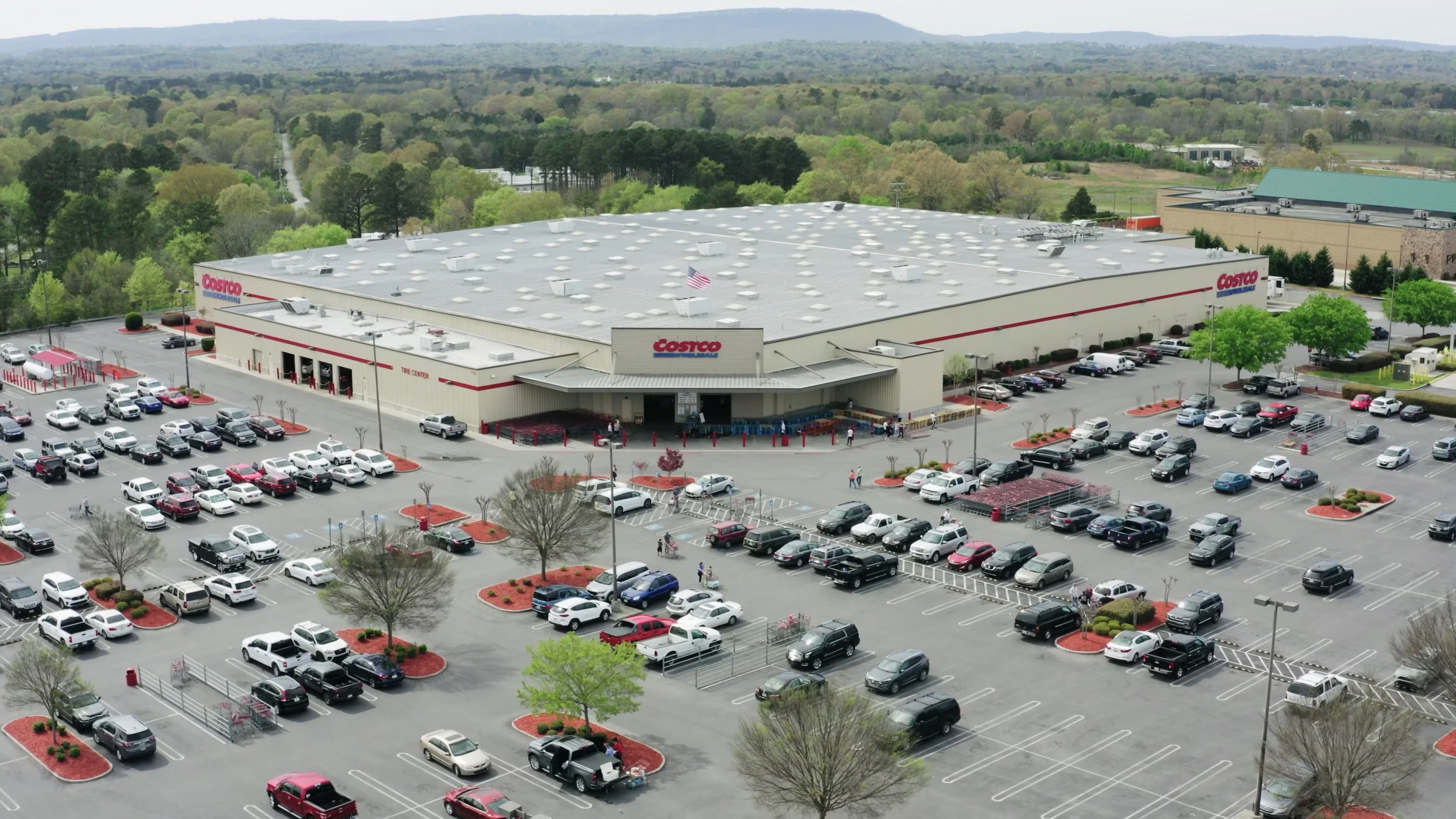 The physical experience of the warehouse.
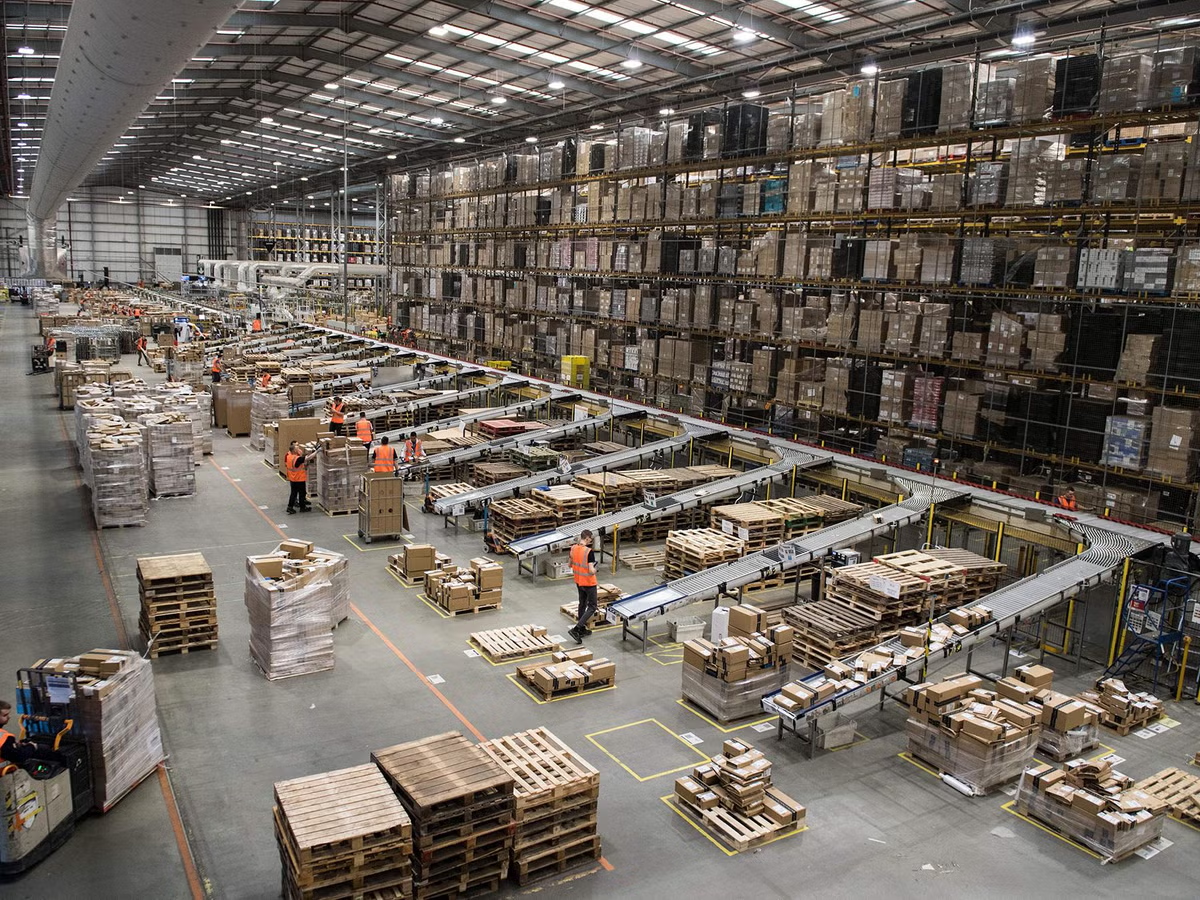 The automated precision of the Amazon model.
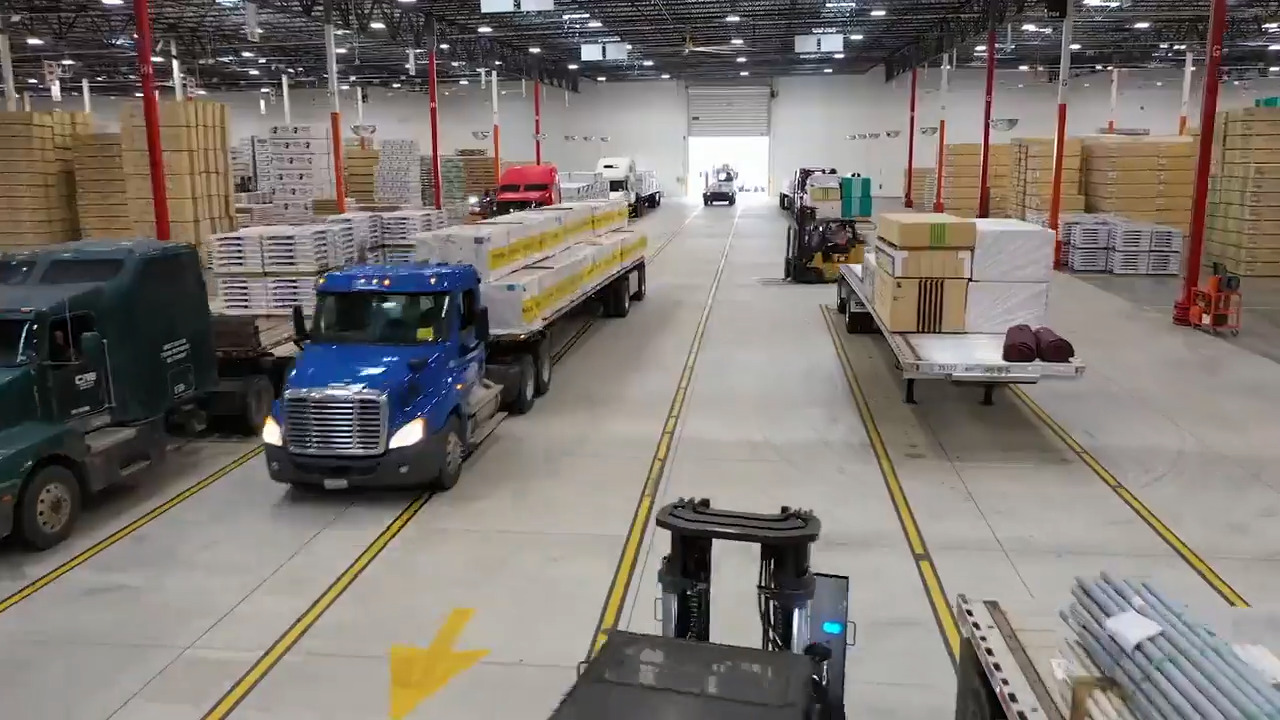 The scale of bulk consumption.
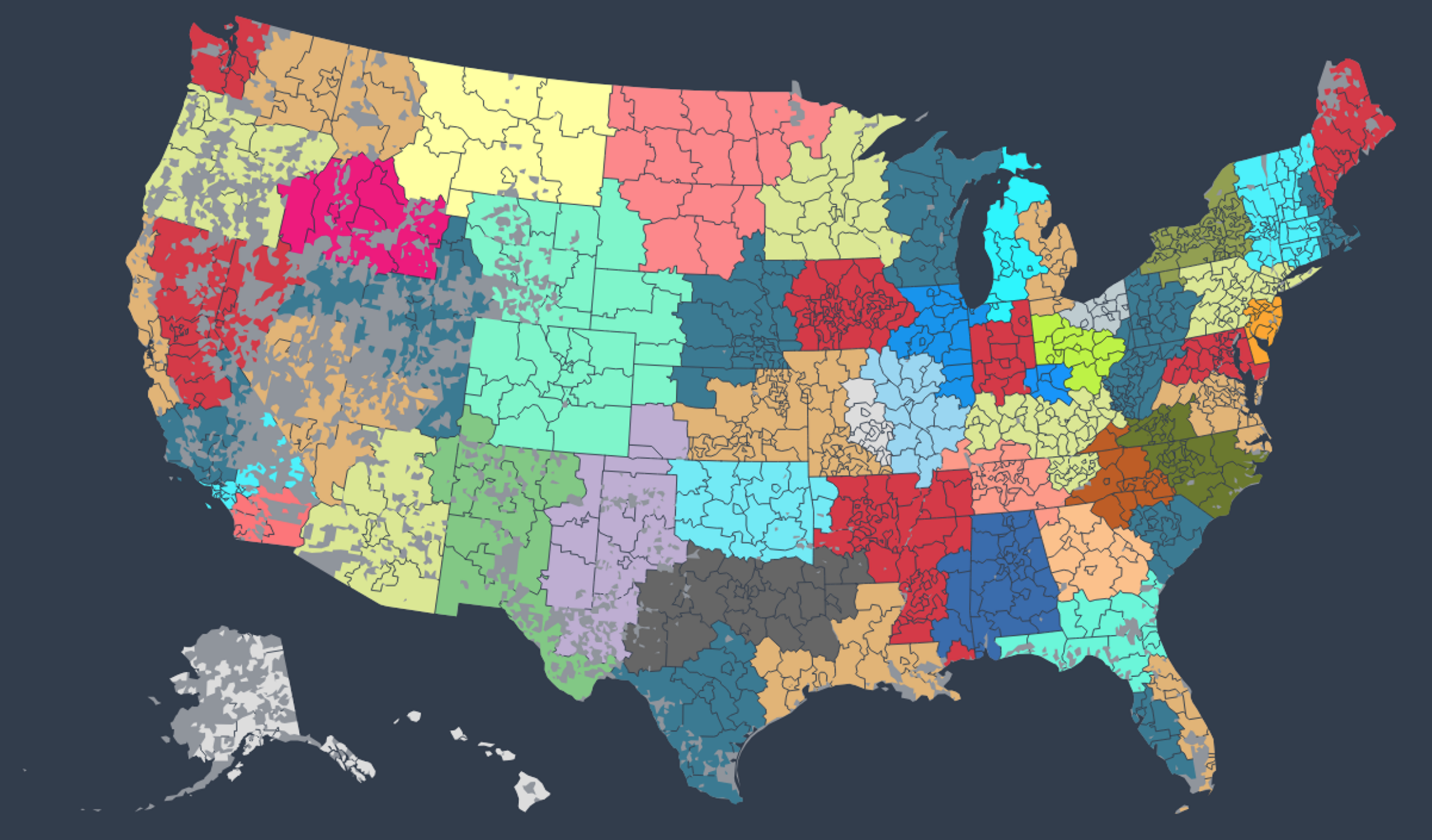 The complexity of the "last mile" logistics.