Egypt Is Building a New Nile
Engineering a New Oasis: Egypt's "New Delta" Initiative
By Ian Parkin | June 24, 2026 Hosted by Fred Mills
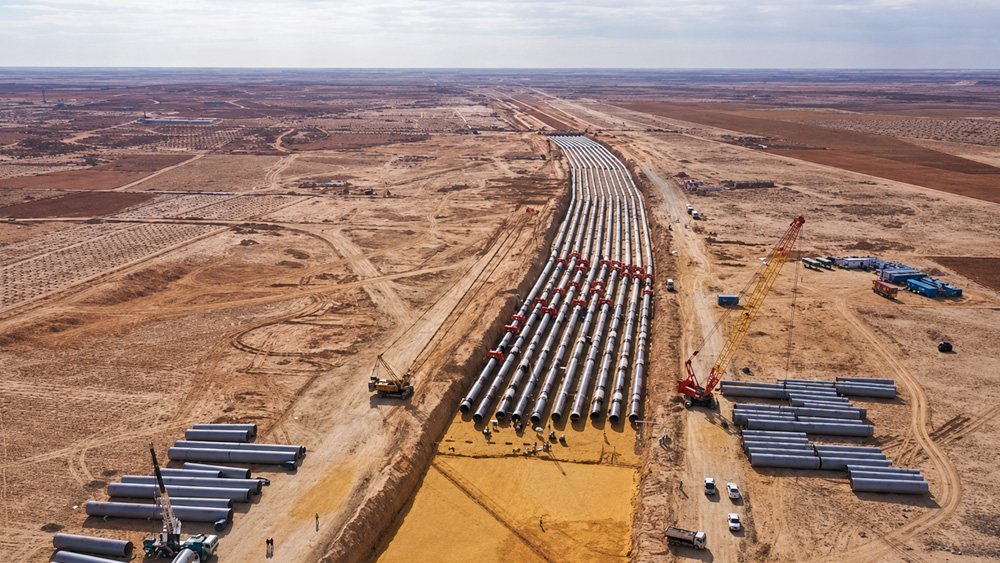
Deep beneath the arid sands of the Western Desert, a massive network of tunnels is currently being excavated. These subterranean arteries are the first tangible evidence of one of the most daring infrastructure undertakings in the history of modern Egypt: an ambitious attempt to forge a brand-new agricultural frontier to alleviate the crushing pressure on the traditional Nile Delta.
The Crisis of the Old Delta
For millennia, the Nile Delta has been the lifeblood of Egypt. However, this ancient system is now reaching a breaking point due to a combination of human intervention, shifting hydrology, and skyrocketing demand.
"Few nations are as inextricably linked to a single natural resource as Egypt is to the Nile."
Approximately 95% of the Egyptian population resides along the river's banks or within the delta. This narrow strip of greenery is the only thing separating tens of millions of people from a harsh, desert landscape.
The Impact of the Aswan High Dam
While the completion of the Aswan High Dam in 1970 offered significant advantages, it came with a hidden cost:
| Benefit | Drawback |
|---|---|
| Consistent hydroelectric power generation | Interruption of the natural annual flood cycle |
| Year-round irrigation capabilities | Trapping of nutrient-rich silt behind the dam |
| Water flow regulation | Increased reliance on artificial fertilizers |
External Pressures and Internal Growth
Egypt's water security is not only a domestic issue but a geopolitical one. The Grand Ethiopian Renaissance Dam (GERD) on the Blue Nile represents a point of significant tension. While a source of pride for Ethiopia, it introduces a volatile variable for Egypt. Even a minor decrease in water volume could jeopardize the nation's agricultural stability.
Demographic Strain
The pressure is compounded by a population explosion:
- 1990 Population:
- Current Population:
As the population grows, urban sprawl has consumed fertile land, creating a dangerous gap in food security. Egypt has transitioned from being largely self-sufficient to becoming the world's largest importer of wheat. This vulnerability was starkly highlighted during the 2022 conflict in Ukraine, which destabilized global supplies and spiked prices.
The Solution: The New Delta Project
Launched in 2018, the New Delta project aims to reclaim approximately of desert. If successful, this would expand Egypt's total cultivated land by more than .
Technical Infrastructure
The project relies on a sophisticated water management strategy to transport and treat water over vast distances.
Key Infrastructure Components:
- The Al Hammam Canal: A massive waterway that intercepts agricultural drainage water—which would otherwise flow into the Mediterranean—and redirects it inland.
- Direct Nile Feeders: Secondary systems that pull fresh water directly from the river to supplement the recycled supply.
Project Objectives
- Divert wastewater via Al Hammam canal
- Excavate desert tunnel networks
- Complete reclamation of
- Reduce reliance on global wheat markets
Current Status and Outlook
Satellite imagery already reveals the scale of the transformation, showing hundreds of green patches emerging from the barren wasteland. However, the long-term viability of this "man-made Nile" remains a subject of debate among experts.
def calculate_land_increase(original_land, reclaimed_land):
    increase_percentage = (reclaimed_land / original_land) * 100
    return f"Cultivated land increased by {increase_percentage:.2f}%"

# Example based on project goals
print(calculate_land_increase(20000, 9200))
Related Media & Resources
- Video Content: The B1M YouTube Channel
- Reading: Mega Builds by Fred Mills (Sunday Times Bestseller)
- Listen: The B1M Podcast
- Gear: Official Merchandise