Apple sues OpenAI, accuses ex-employees of stealing trade secrets
Legal Battle: Apple Sues OpenAI Over Alleged Trade Secret Theft
Apple has officially initiated legal action against OpenAI, claiming that the AI giant orchestrated the theft of proprietary trade secrets. The core of the lawsuit centers on the allegation that former Apple staff members misappropriated confidential data specifically “for the benefit of OpenAI.”
"This case is about Apple’s former employees stealing Apple’s trade secrets for the benefit of OpenAI. Apple brings this suit to put a stop to it." — Excerpt from the legal filing.
Official Statement from Apple
An Apple spokesperson provided the following context to 9to5Mac:
“At Apple, our teams are constantly developing breakthrough technologies to create the best products and services in the world, and protecting their work and intellectual property is something we take very seriously. Recently, significant evidence has emerged suggesting individuals employed by OpenAI wrongfully took Apple’s secret and confidential information regarding our unreleased technologies, processes, and products.”
The Key Players
The lawsuit targets both the organization and specific individuals. The following table summarizes the primary defendants:
| Defendant | Former Apple Role | Current/Recent Affiliation | Notes |
|---|---|---|---|
| Tang Tan | VP of Product Design | io Products / OpenAI | Led iPhone & Apple Watch design |
| Chang Liu | Senior System Electrical Engineer | OpenAI | 8-year tenure at Apple |
| OpenAI | N/A | AI Research/Hardware | Acquired io Products |
| io Products | N/A | OpenAI Subsidiary | Founded by Jony Ive |
The "io" Connection
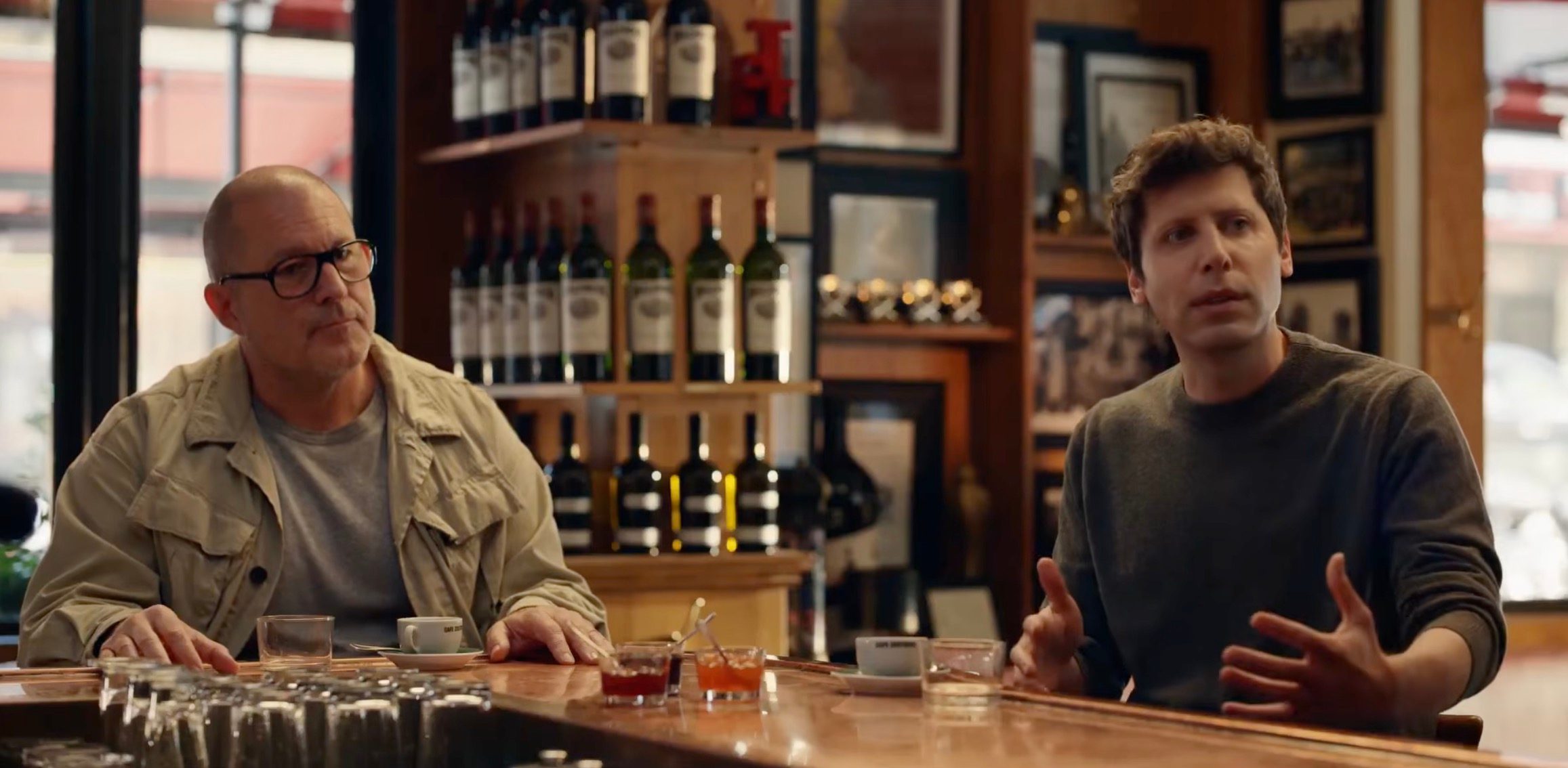
OpenAI's foray into hardware is spearheaded by Jony Ive, Apple's legendary former Chief Design Officer. Last year, OpenAI acquired Ive's startup, io, in a massive deal valued at $6.5 billion. This acquisition brought over 50 specialists into the OpenAI fold.
While Scott Cannon and Evans Hankey (who led design after Ive) were instrumental in founding io, they are not currently named as individual defendants in this specific filing.
Detailed Allegations: The "Tip of the Iceberg"
Apple asserts that the misconduct is systemic, claiming that OpenAI's leadership has normalized the theft of intellectual property. They argue that the foundation of OpenAI's hardware business is essentially built on stolen Apple data.
The Conduct of Tang Tan
Apple alleges that Tang Tan used his insider status to aggressively extract information from current Apple employees during the hiring process:
- Interview Tactics: Tan allegedly used confidential project codenames to ask candidates, "What’s the plan[?]" regarding unannounced products.
- "Show and Tell": Candidates were reportedly encouraged to bring physical Apple hardware components and samples to interviews.
- Requested Artifacts: OpenAI allegedly sought:
CAD/design artifactsPrototypes- Details on subsystem and component selection
- Information on vendor selection and collaboration
One candidate was reportedly shocked by these requests, noting they “didn’t even know we could take those from the office.” Furthermore, Apple claims one individual spent hours downloading and screenshotting files for a highly confidential project immediately before an interview with Tan.
The Conduct of Chang Liu
The lawsuit paints a different picture of theft regarding Chang Liu, who joined OpenAI in January 2026. Apple claims Liu:
- Exploited a security vulnerability to download over a thousand pages of technical files after his employment ended.
- Reacted to the exploit by messaging
LOLandso funny. - Failed to return his company-issued laptop.
- Coached other Apple employees on which secret materials to study to prepare for OpenAI interviews.
Summary of Stolen Assets
Apple believes the following items were compromised:
- Manufacturing documents for complex circuit boards
- Internal "Need to Know" documents
- CAD software methodologies
- Unreleased product prototypes
Technical and Financial Implications
Apple suggests that the "value" of the stolen secrets can be viewed as a multiplier of R&D costs. If we represent the cost of innovation as and the acceleration provided by theft as , the unfair advantage could be modeled as:
Evidence Log (Simulated)
The following represents the type of activity Apple is tracking in the lawsuit:
# Log Entry: Unauthorized Access Detected
USER: c_liu_ext
ACTION: DOWNLOAD_FILE
FILE_PATH: /secret/hardware/circuit_boards/v2_final.pdf
STATUS: SUCCESS
TIMESTAMP: 2026-01-15T04:22:01Z
NOTE: Access via known security exploit #402
Finally, the lawsuit alleges that OpenAI even utilized a trusted Apple partner to facilitate the acquisition of proprietary information.