Modern Decor May Be Straining People's Brains
The Cognitive Cost of Contemporary Design: Is Modern Decor Straining Our Brains?
Analysis of research led by Paul Hibbard (University of Stirling)
Reviewed by Steve Fink | July 10, 2026
Executive Summary: Researchers suggest that certain artificial visual patterns force the brain to expend abnormal amounts of energy. This
metabolic_overloadis hypothesized to be the root cause of physical ailments like nausea and headaches in sensitive individuals, though the exact biological pathway is still being investigated.
The Hidden Toll of the Modern Aesthetic
For a significant portion of the population, the sleek lines and bright lights of contemporary architecture are more than just an aesthetic preference—they are a source of physical suffering. A comprehensive scientific review published in the journal Vision argues that "visual discomfort"—which manifests as eye strain, nausea, perceptual distortions, and headaches—is not "all in the head" but has a tangible, physical basis in neural activity.
The study, a global effort involving experts from Canada, Asia, Europe, the UK, and the US, synthesizes decades of data from psychology, lighting design, architecture, and neuroscience to explain why certain environments are so taxing.
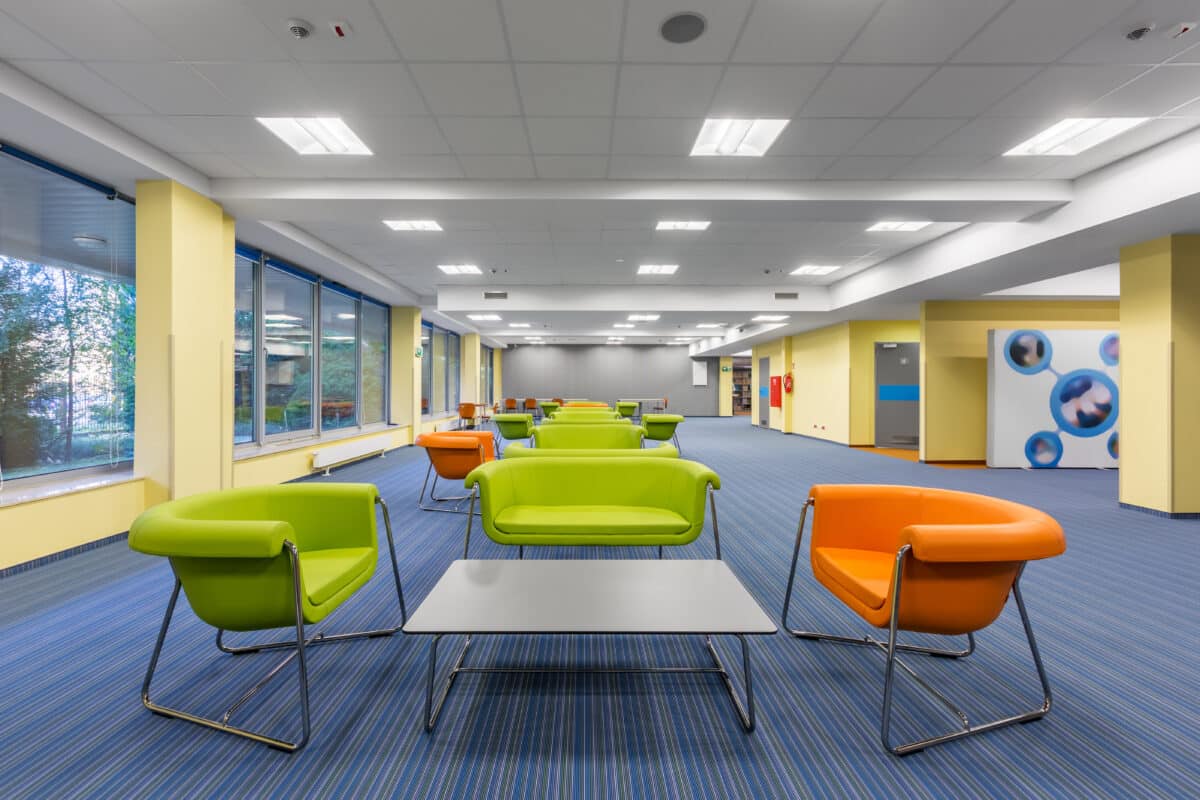
The Hypothesis: Neural Overload
The central premise is that the human brain is biologically optimized for the natural world. When confronted with the repetitive, high-contrast, or flickering stimuli of urban life, the visual cortex may become overstimulated.
Common triggers include:
Natural landscapesFluorescent office lightingSoft horizonsStriped acoustic panels or wallpaperOrganic shapesGridded building facades and dense printed text- High-intensity glare (e.g., LED car headlights)
This inefficiency leads to a spike in oxygen consumption within the brain. The researchers propose that the resulting discomfort is actually a homeostatic response—essentially, the brain sounding an alarm because it is being overworked.
Nature vs. The Grid: A Mathematical Conflict
Our visual systems evolved over millions of years to interpret forests, coastlines, and skies. These natural scenes follow a specific mathematical logic where complexity scales predictably.
In contrast, modern decor often utilizes patterns that deviate from this evolutionary expectation. When the brain cannot process these patterns efficiently, it doesn't just ignore them; it reacts with intensity.
Evidence from Brain Imaging:
- High-Contrast Patterns: Produce significantly larger neural responses than natural imagery.
- Mitigation: The use of specifically tinted glasses for migraine patients has been shown to "normalize" this hyper-activity.
- Comfort: Images of buildings rated as "comfortable" correlate with smaller, more efficient brain responses.
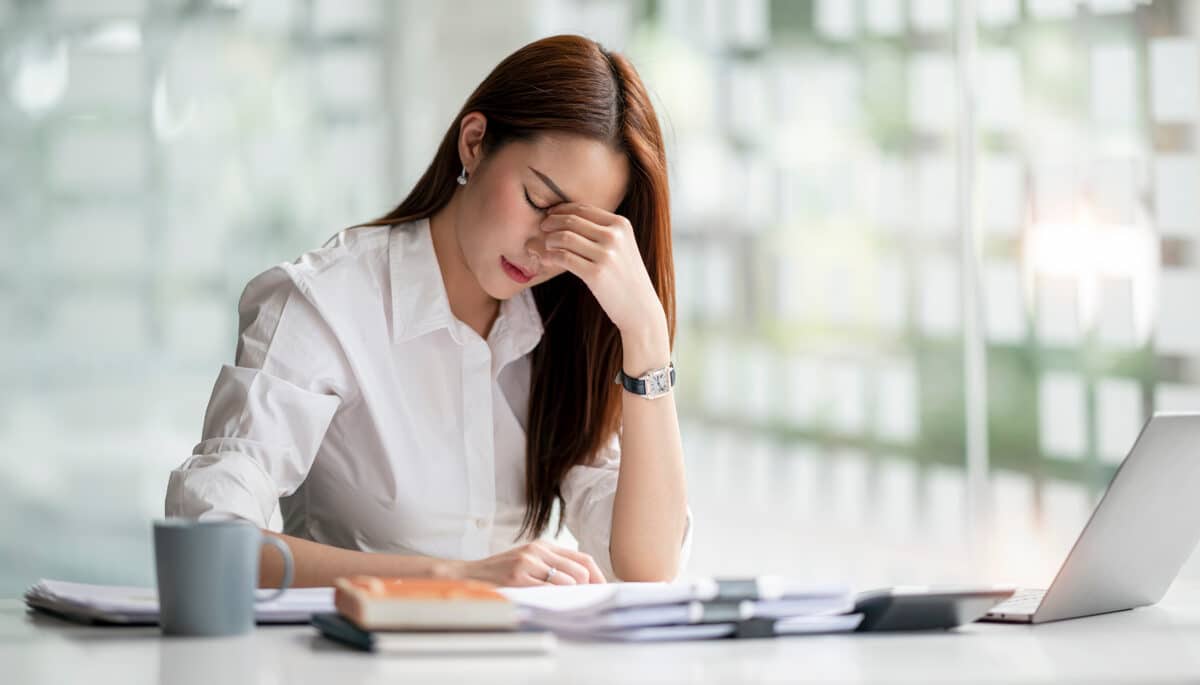
Who is Most Vulnerable?
While most people feel some level of strain, certain groups are disproportionately affected. This includes neurodivergent individuals and those with specific neurological health profiles.
Vulnerability Matrix
| Group | Potential Biological Driver | Common Symptoms |
|---|---|---|
| Neurodivergent (Autism, ADHD, Dyslexia) | Reduced ability to suppress overactive signals | Sensory overload, distress |
| Neurological (Migraine, Epilepsy) | Hypersensitivity to flicker/contrast | Seizures, intense migraines |
| Mental Health (Anxiety, Depression) | Altered sensory gating | Increased irritability, nausea |
The "Broken Dimmer Switch"
The researchers suggest a biological culprit: a failure in the brain's ability to "brake" its own activity. This is potentially linked to GABA, a neurotransmitter that typically inhibits neural firing. If GABA levels are insufficient, the visual system lacks a "dimmer switch," leaving the person vulnerable to overload.

Categorizing Visual Sensitivity
Using the Cardiff Hypersensitivity Scale, researchers identified that regardless of the specific diagnosis (whether it be fibromyalgia or autism), patients tend to struggle with the same four categories of stimuli:
- Pattern Sensitivity: (e.g., stripes, grids)
- Brightness Sensitivity: (e.g., harsh glares, white walls)
- Strobing/Motion Sensitivity: (e.g., flickering LEDs)
- Environmental Density: (e.g., the overwhelming visual noise of a supermarket)
def check_visual_stress(environment):
    if environment.has_stripes or environment.has_flicker:
        return "High Risk of Metabolic Overload"
    elif environment.is_natural:
        return "Low Stress / Efficient Processing"
    else:
        return "Moderate Stress"
Ultimately, the research suggests that by understanding the biological cost of our surroundings, we can design spaces that support—rather than strain—the human mind.