Nvidia, CoreWeave, and Nebius: Inside the Circular Financing of the GPU Boom
Nvidia, CoreWeave, and Nebius: Inside the Circular Financing of the GPU Boom
By Beth Kindig, Lead Tech Analyst | June 12, 2026
The emergence of "neoclouds" has sparked a fierce debate within the AI sector. Companies like CoreWeave and Nebius are experiencing an explosion in revenue and backlogs, driven by a desperate race among hyperscalers to scale their AI infrastructure. These specialized providers offer a critical bridge: immediate access to the latest Nvidia GPUs and superior compute optimization.
However, a bearish perspective suggests that hyperscalers are simply using neoclouds to capitalize their spending shift costs from Capital Expenditure (Capex) to Operating Expenditure (Opex). With soaring debt and limited cash flow, the sustainability of this model is under scrutiny, especially given the "circular" nature of the financing involving Nvidia.
🌐 The Neocloud Ecosystem
Neoclouds differentiate themselves by providing rapid deployment of high-end compute. While they have secured massive amounts of power—a primary bottleneck in data center growth—there is a significant gap between contracted and active power.
Power Capacity Outlook
| Company | Contracted Power | Target Active Power (by 2026) |
|---|---|---|
| CoreWeave | 3.5 GW | 1.7 GW |
| Nebius | 3.5 GW | 800 MW – 1 GW |
The primary goal for these firms is to convert these contracted megawatts into active power to realize the revenue locked in their massive backlogs.

💰 The $120B+ Hyperscaler Gamble
The scale of partnerships between Big Tech and neoclouds is staggering when compared to the neoclouds' current earnings.
Commitment Breakdown
- Microsoft: Approximately $60 billion in commitments across CoreWeave, Nebius, and Nscale.
- Meta: A total of **35.2B to CoreWeave and up to $27B to Nebius).
- Others: OpenAI and Anthropic also maintain massive, though undisclosed, agreements with CoreWeave.
Together, Microsoft and Meta have committed \approx \122.2 \text{ billion}$. To put this in perspective:
When including OpenAI and Anthropic, the total potential commitments likely exceed $145 billion. This is an order of magnitude higher than the projected FY2026 revenues:
- CoreWeave (Est. FY26): $12.6B
- Nebius (Est. FY26): $3.4B
🚀 Why Hyperscalers Choose Neoclouds
There are three primary drivers behind this shift:
- Rapid Deployment: Neoclouds can stand up infrastructure in weeks, whereas hyperscalers take years to build their own centers.
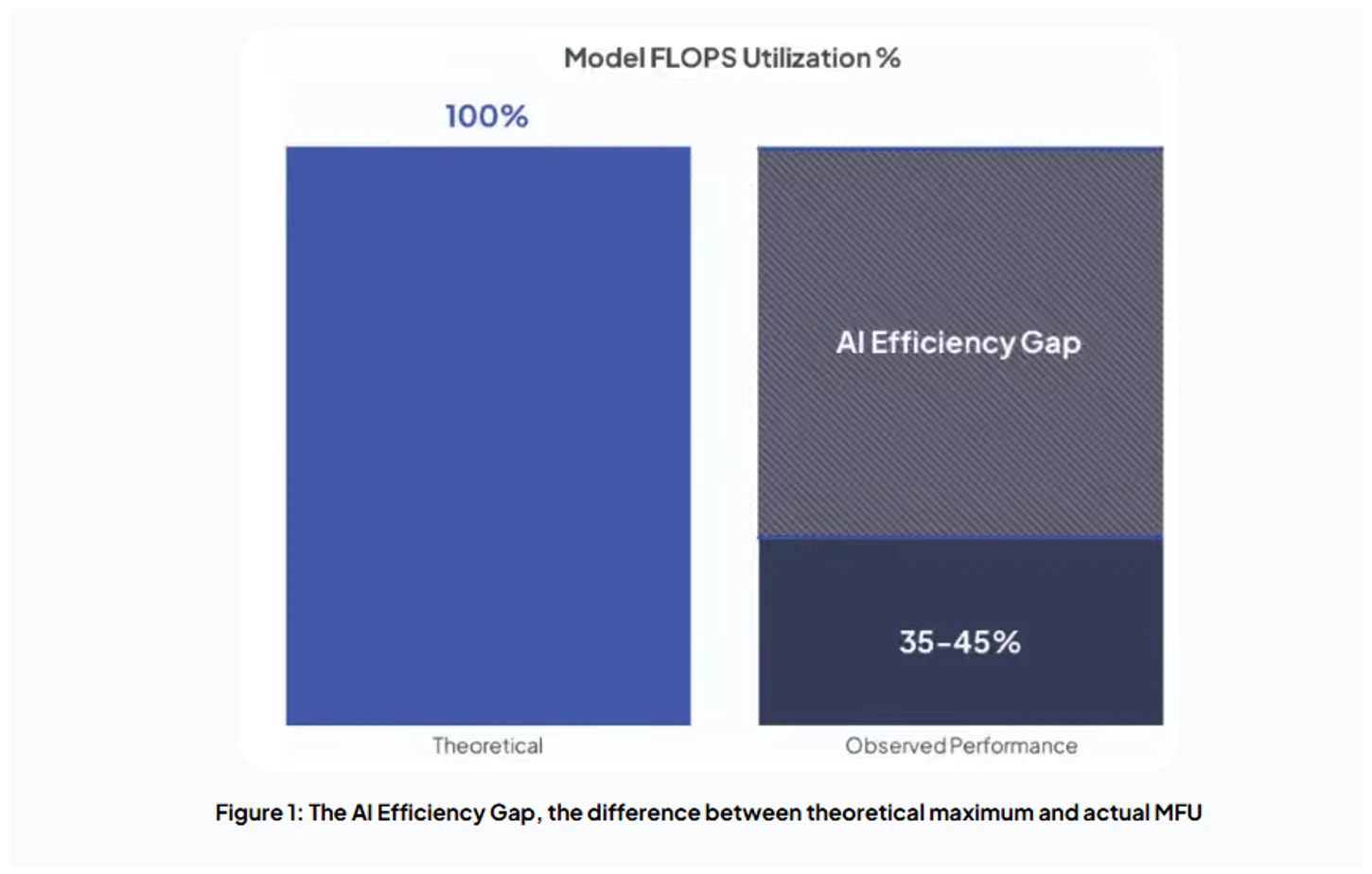
- Compute Optimization: Better utilization of GPU resources.
- Balance Sheet Engineering: Moving costs from
CapexOpex.
"Neoclouds can deploy high-density GPU infrastructure within months compared to multi-year builds for hyperscale data centers, providing crucial time-to-market advantages for businesses needing rapid AI development." — JLL
The Speed Advantage
In its S-1 filing, CoreWeave emphasizes its ability to deliver the latest hardware—such as H100, H200, GH200, and GB200 NVL72—to customers in as little as two weeks from receipt. Nebius echoes this in its Annual Report, citing a consistent track record of being first-to-market with new Nvidia chips.
⚠️ The Risks: Debt and Circularity
The growth of neoclouds is not yet profitable. They are funding their build-outs through a precarious mix of Nvidia equity, hyperscaler contracts, and debt backed by the GPUs themselves.
The Financial Loop
The "circular financing" model can be visualized as follows:
Red Flags to Monitor
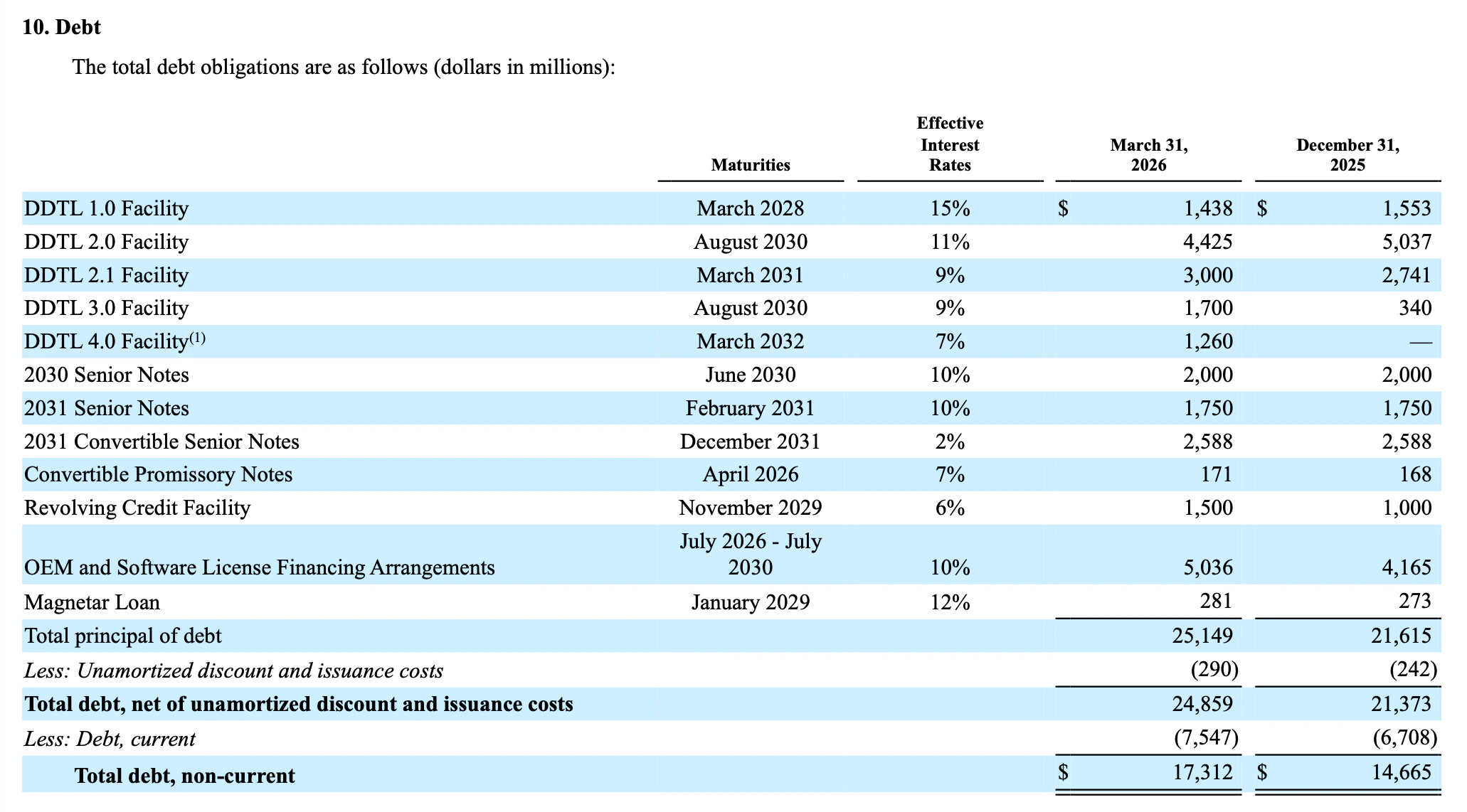
- Debt Loads: CoreWeave's debt reached approximately $25.1 billion in Q1 2026.
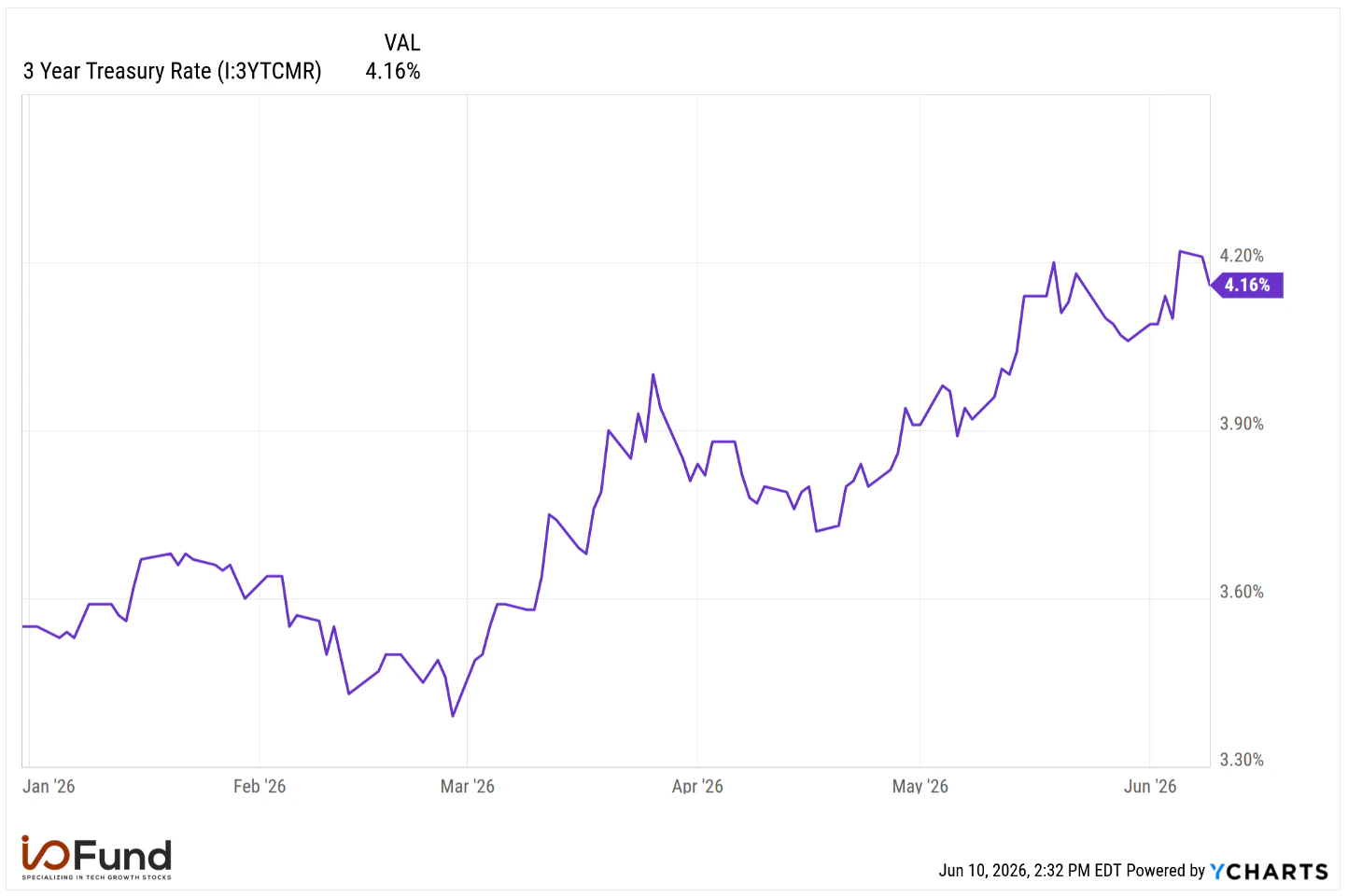
- Interest Rates: Rising U.S. Treasury yields (climbing toward 4.16% in 2026) increase the cost of financing.
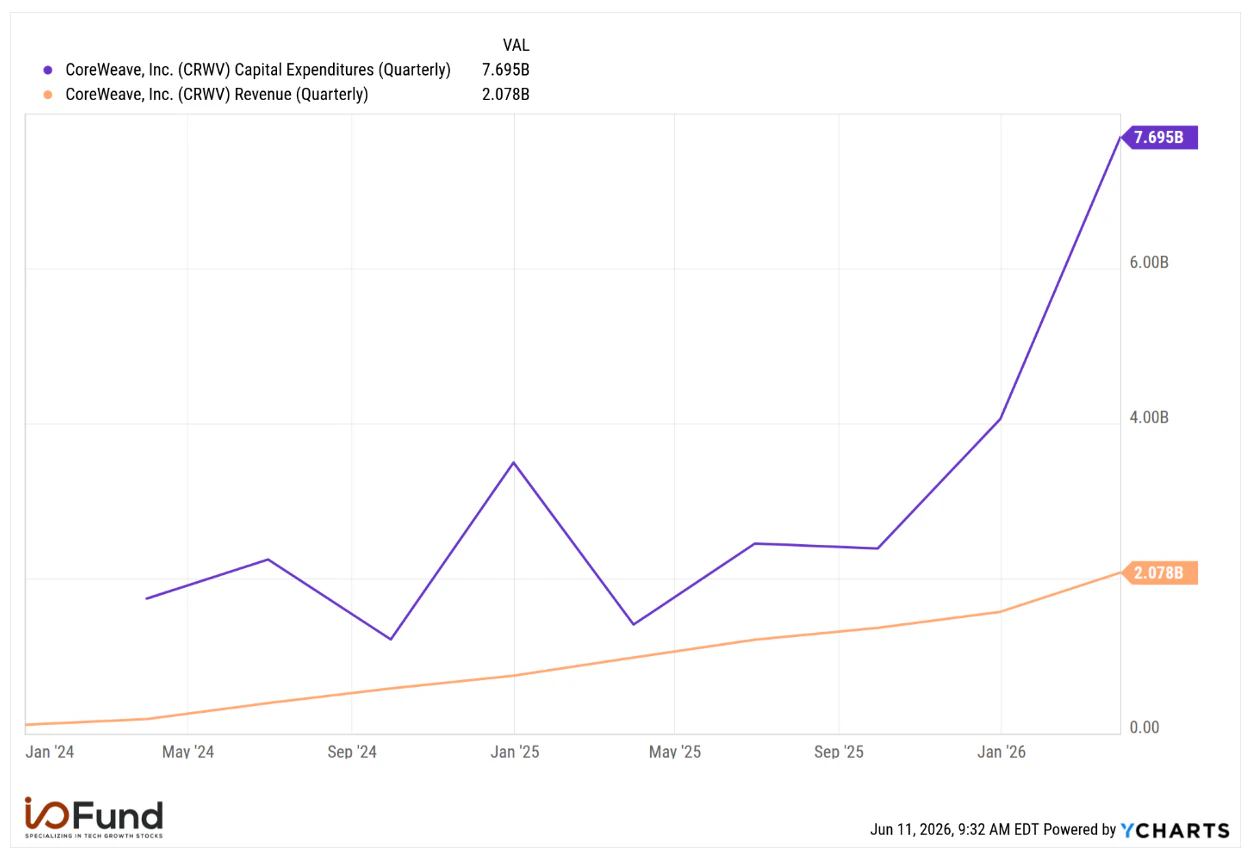
- Revenue Lag: Capex is currently outstripping revenue growth.
Debt Structure Example (CoreWeave Q1 2026)
{
  "Debt_Profile": {
    "Total_Debt": "$25.1 Billion",
    "Facilities": ["DDTL 1.0", "DDTL 2.0", "DDTL 3.0", "DDTL 4.0"],
    "DDTL_4_Status": {
      "Drawn": "$1.26 Billion",
      "Total_Facility": "$8.5 Billion"
    },
    "Instruments": "Senior Notes"
  }
}
Ultimately, while neoclouds provide a vital service for the AI gold rush, their reliance on high-leverage financing and the support of Nvidia creates a fragile equilibrium that investors must watch closely.
