Cyberpunk Comics, Manga and Graphic Novels
Cyberpunk Comics, Manga and Graphic Novels
Originally published via SHELLZINE — A hub for Technical and Futuristic Culture and Media Support.
This curated index explores the intersection of illustrated storytelling and the cyberpunk genre, spanning Western comic books, Japanese manga, and standalone graphic novels.
📚 Essential Reading List
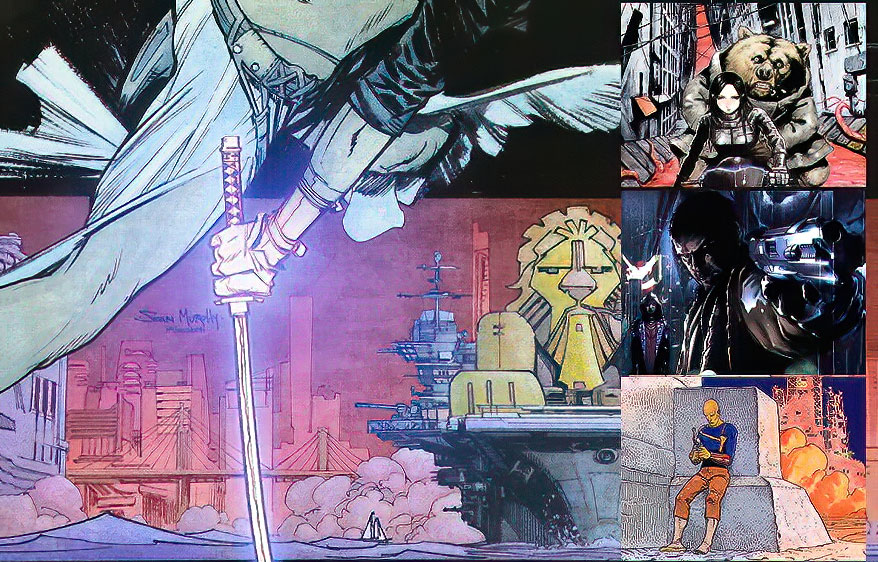
Below is a comprehensive breakdown of seminal works that have defined the visual and thematic language of the genre.
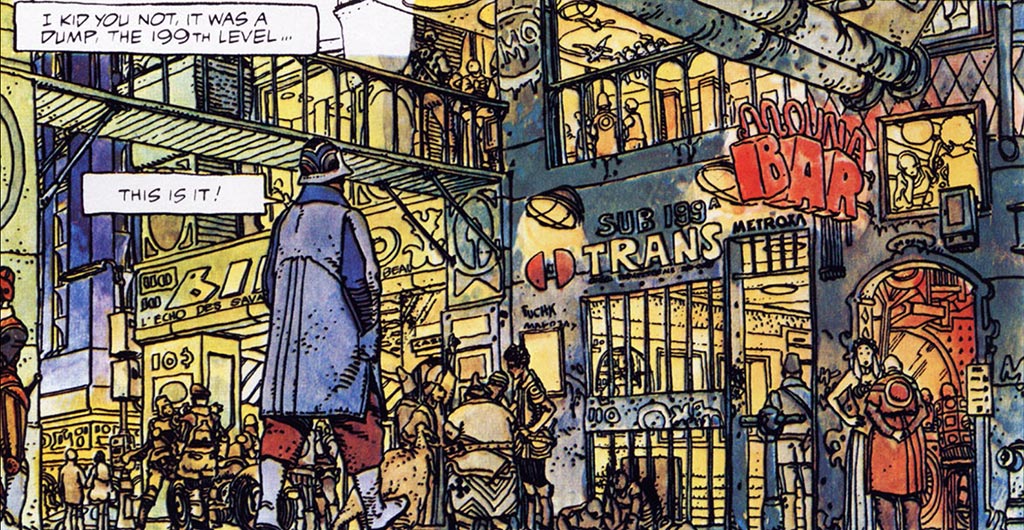
1. The Long Tomorrow
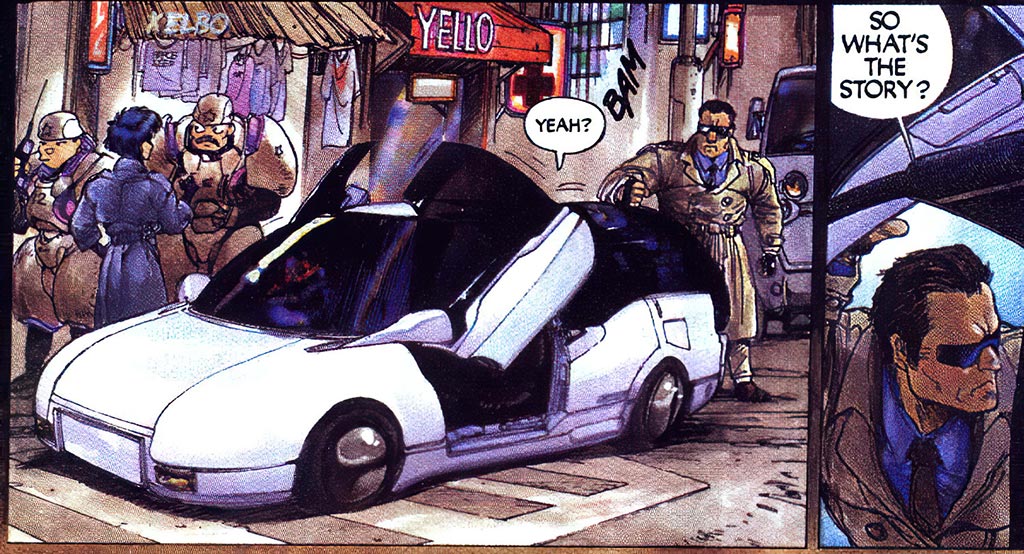
Creators: Dan O’Bannon & Moebius | Era: 1975 | Format: Graphic Novel
A gritty, hard-boiled detective story set in the far future, blending film noir tropes—including the classic femme fatale—with a vision of an oppressive, hyper-urbanized society.
- Core Themes:
- Technocracy
- Overcrowding
- Multiculturalism
- Significance: This work represents the 1970s French sci-fi aesthetic and served as a primary visual and thematic catalyst for masterpieces like
Neuromancerand Blade Runner.
2. Akira
Creator: Katsuhiro Otomo | Era: 1982–1990 | Format: Manga (6 Vols / 120 Chapters)
While Akira incorporates fantastical elements that stray from "hard" science fiction, it remains a cornerstone of cyberpunk. Its heart lies in its anti-authoritarian spirit, radical political undertones, and the depiction of a decaying urban wasteland.
- Pro Tip: If you have only seen the movie, you are missing out. The manga is far more expansive and detailed than the condensed anime adaptation.

3. Blade Runner
Creators: Archie Goldwin, Al Williamson, Carlos Garzon | Era: 1982 | Format: Comic (2 Issues)
Released by Marvel Comics to coincide with the theatrical debut of the film, this official adaptation provides clarity where the movie remains ambiguous.
- Key Insights:
- Uses narration to explain complex plot points.
- Contains deep-cut trivia: Deckard is referred to as
Mister Nighttimeby his squad. - Highlights Gaff's obsession with aesthetics and dress codes.
Despite the low print quality of the time, this is an essential read for any devotee of the 1982 cinematic classic.

4. Gills
Creator: Mike Saenz | Era: 1985–1988 | Format: Comic (14 Issues + Special)
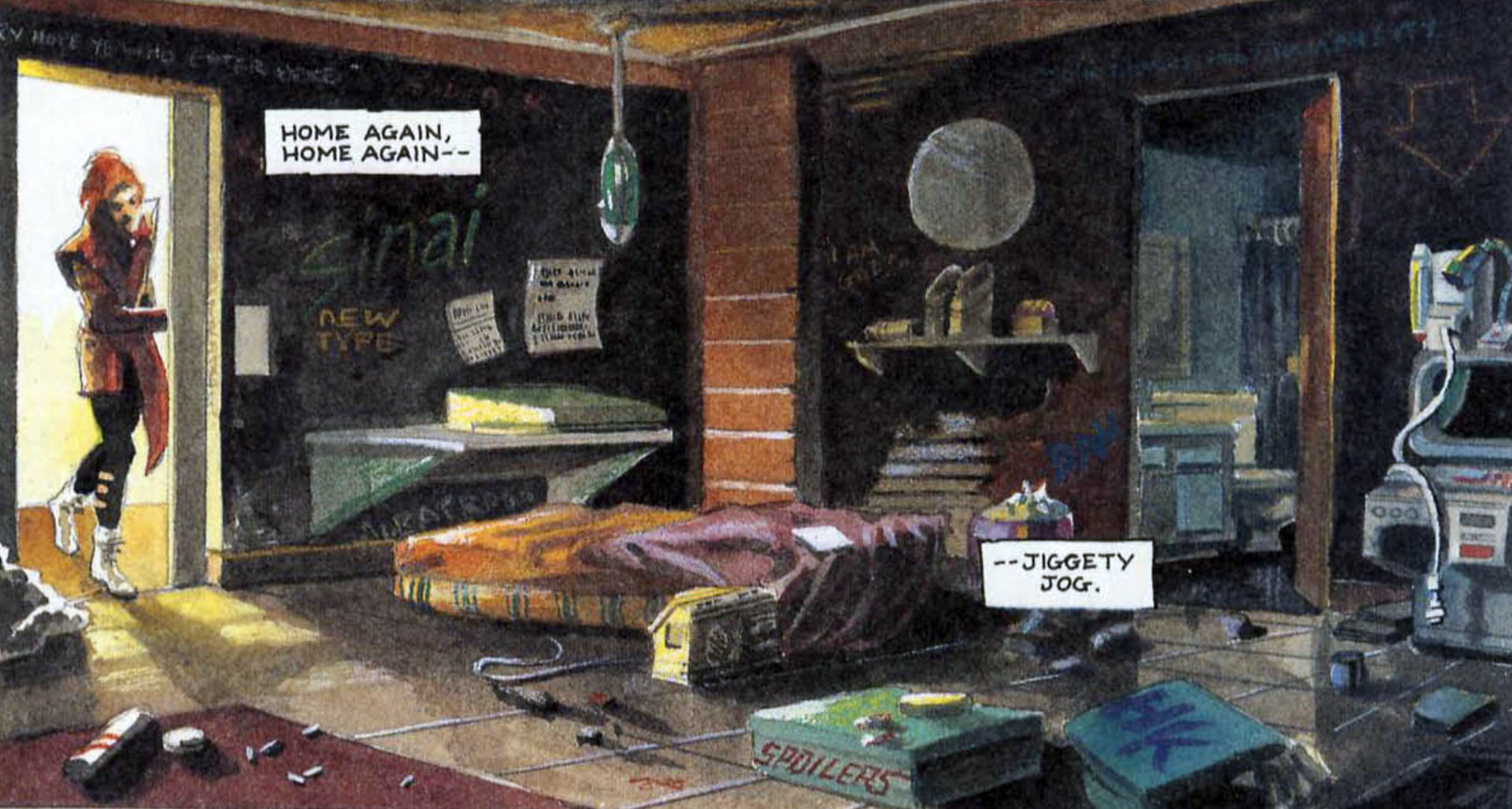
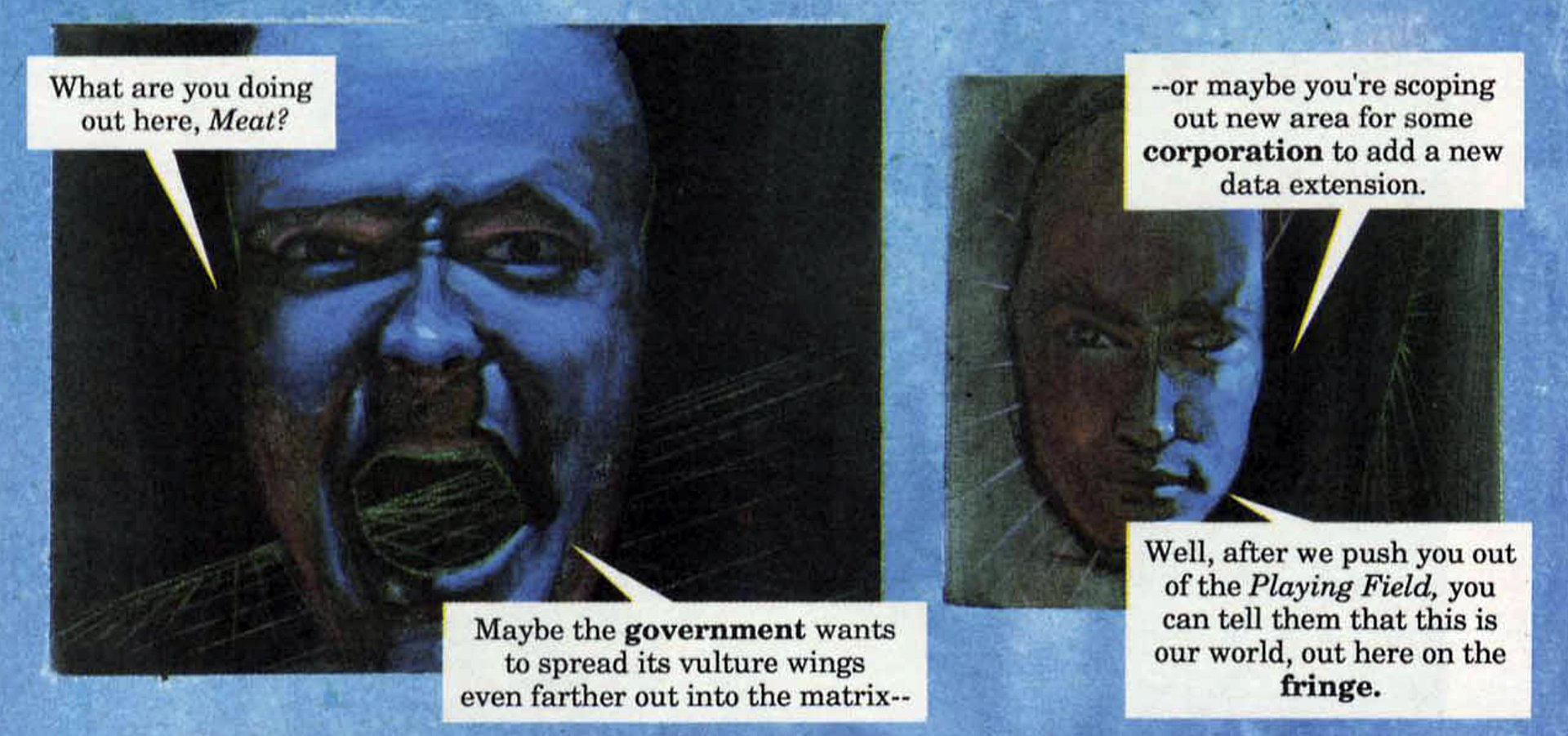
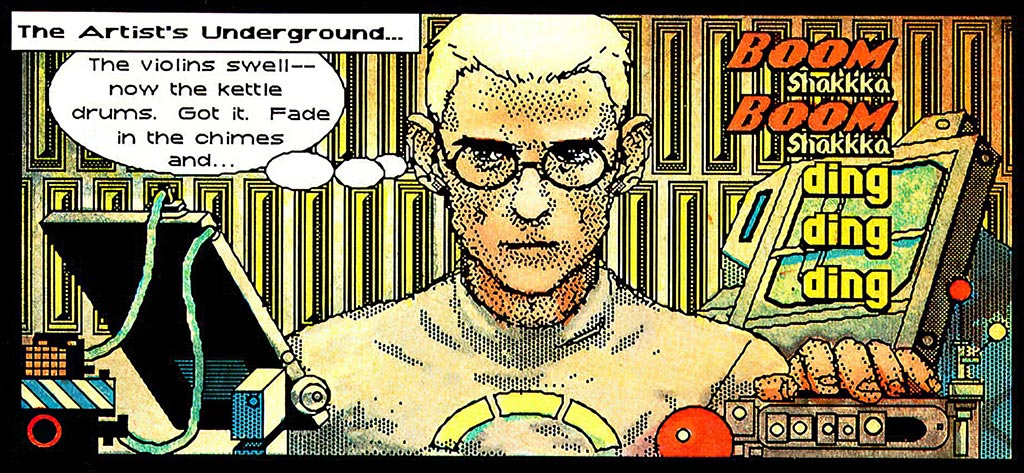
Gills holds a unique place in history as the first digital comic, created entirely on a Macintosh Plus using a mouse and output via laser printers.
{
  "title": "Gills",
  "style": "Pixel Art / Campy",
  "influence": "Philip K. Dick",
  "plot_device": "Computer-aided reverse auction bounty system"
}
It is a trope-heavy journey through a crowded metropolis, following a detective navigating a futuristic gig economy. Its predictions regarding technology and social reactions are eerily accurate for the 21st century.
5. Dominion
Creator: Masamune Shirow | Era: 1986 | Format: Manga (1 Volume)
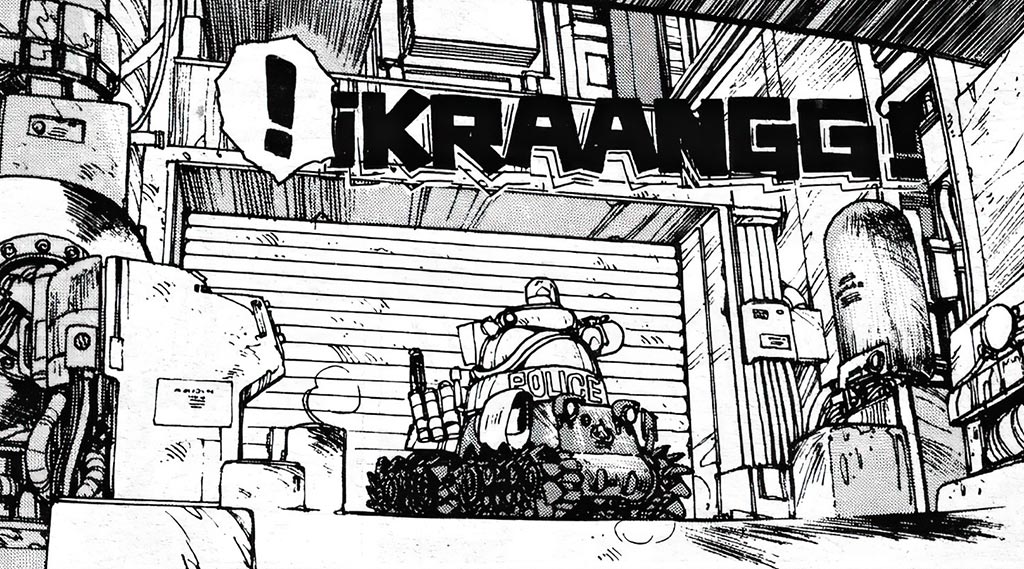
Set in the smog-choked New Port City, where citizens must wear respiration masks to survive, Dominion precedes Shirow's more famous Ghost in the Shell.
- The Plot: A cyborg criminal and two androids attempt to stop a government conspiracy to genetically modify humans to produce their own oxygen—a "solution" that avoids actually fixing the pollution.
- The Conflict: The heavily armed "Tank Police" are deployed to maintain order against increasingly dangerous tech-enhanced criminals.
Note: Many of the tank designs and the city layout seen here were later integrated into the Ghost in the Shell universe.
6. Rebel
Creator: Pepe Moreno | Era: 1986 | Format: Graphic Novel (1 Issue)
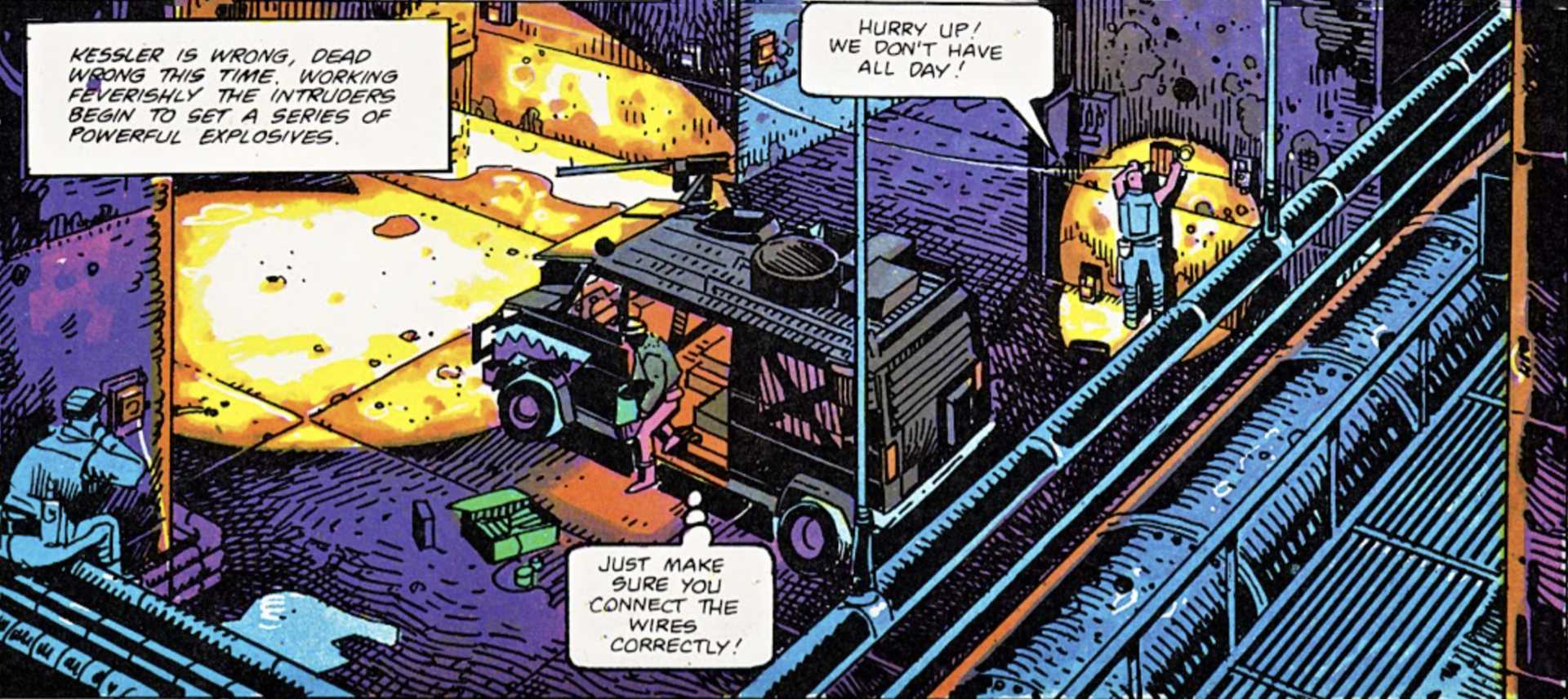
While primarily post-apocalyptic, Rebel fits the cyberpunk ethos through its "punk" aesthetic and political commentary. It feels like a cross between Mad Max and Escape from New York.
- Setting: A ruined New York City (2002) where warlords fight over supermarkets.
- The Divide: A fascist military regime lives in a high-tech, walled utopia, contrasting sharply with the anarchy outside.
- Visual Style: Moreno blends real photographs of NYC landmarks with a vivid, Moebius-inspired art style.
📊 Summary Comparison
| Title | Year | Origin | Primary Theme | Tech Level |
|---|---|---|---|---|
| The Long Tomorrow | 1975 | West | Technocracy | High |
| Akira | 1982 | Japan | Anarchy | Psychic/High |
| Blade Runner | 1982 | West | Androids | High |
| Gills | 1985 | West | Automation | Digital |
| Dominion | 1986 | Japan | Cybernetics | High |
| Rebel | 1986 | West | Fascism | Mixed |
🗺️ Influence Map
✅ Reader's Checklist
- Read The Long Tomorrow for the roots of the genre.
- Explore the Akira manga for the full story.
- Check out Gills for a taste of 80s digital art.
- Analyze the political divide in Rebel.