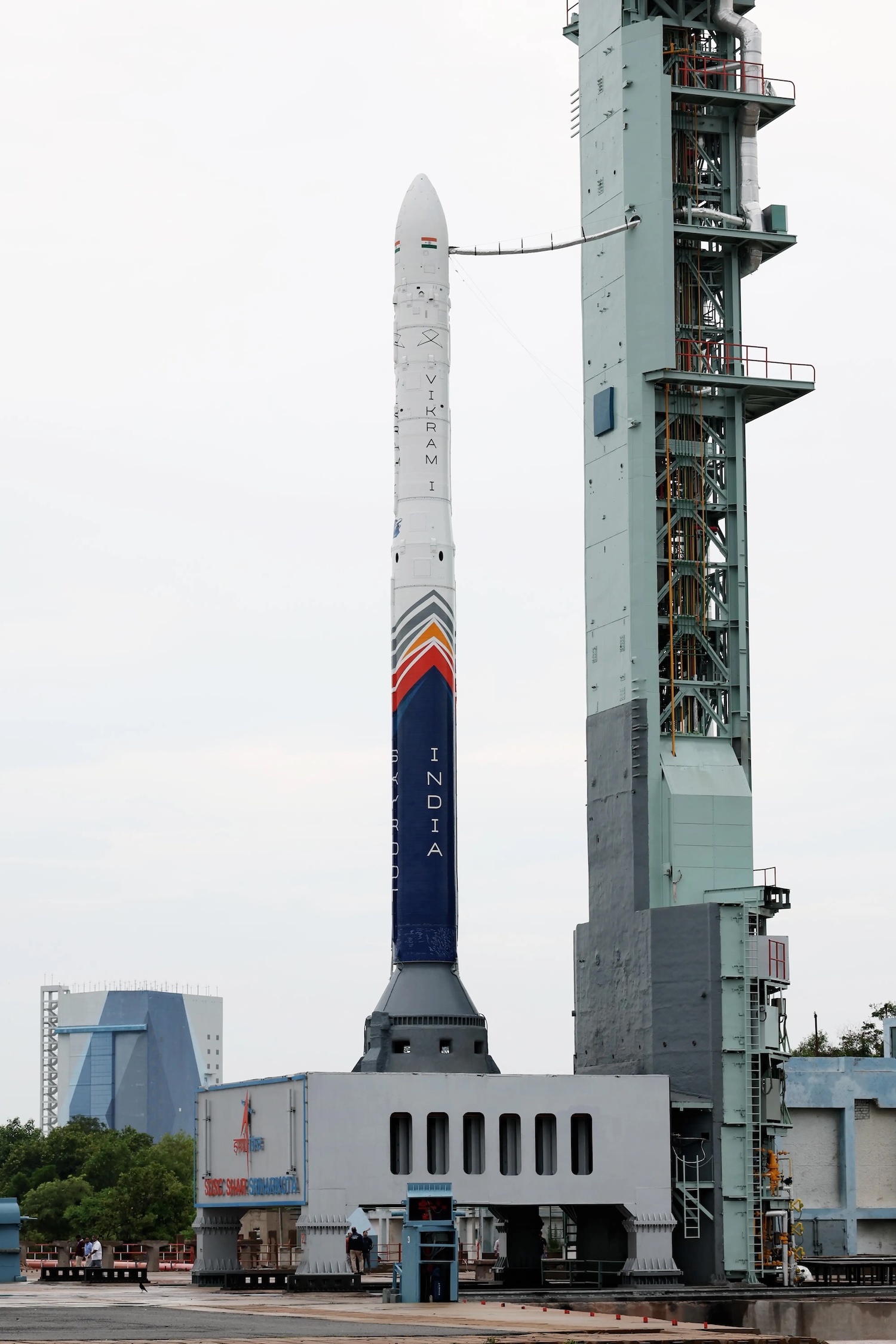
India's first privately-developed rocket reaches orbit on dramatic debut launch
A Historic Leap: India's First Private Rocket Successfully Hits Orbit
In a landmark achievement for the Indian aerospace sector, Skyroot Aerospace has successfully launched the Vikram-1, marking the first time a privately developed rocket from India has reached orbit. The mission, described as a "grand success," culminated in the vehicle reaching a height of approximately 280 miles above the Earth.

The Launch Sequence
The mission took place on Saturday from the Satish Dhawan Space Center on Sriharikota Island, located in the Bay of Bengal. While the event ended in triumph, it began with a touch of tension: the countdown was halted for over 30 minutes to address a technical glitch.
Once cleared, the rocket ignited its solid-fuel boosters at 1:35 am EDT (06:35 UTC). The ascent followed a precise multi-stage progression:
Technical Specifications
The Vikram-1 is a compact launcher designed for small satellites. Its physical and performance characteristics are summarized below:
| Feature | Specification |
|---|---|
| Height | () |
| Payload Capacity | Up to () |
| Final Orbit Height | |
| Orbital Inclination | to the equator |
| Max Velocity | |
| Materials | Lightweight carbon composites |
Overcoming the Odds
Reaching orbit on a maiden flight is an incredibly rare feat in the private sector. To put this in perspective, consider the history of other industry leaders:
- SpaceX: Required four attempts before the Falcon 1 successfully reached orbit in 2008.
- Rocket Lab: The Electron rocket failed its first orbital attempt in 2017.
- Blue Origin: While the New Glenn succeeded in 2025, the company had years of experience with the suborbital New Shepard.
"On the first attempt, reaching orbit, I never thought it was possible," admitted Pawan Kumar Chandana, co-founder and CEO of Skyroot. "In fact, this launch was nothing short of a suspense movie."
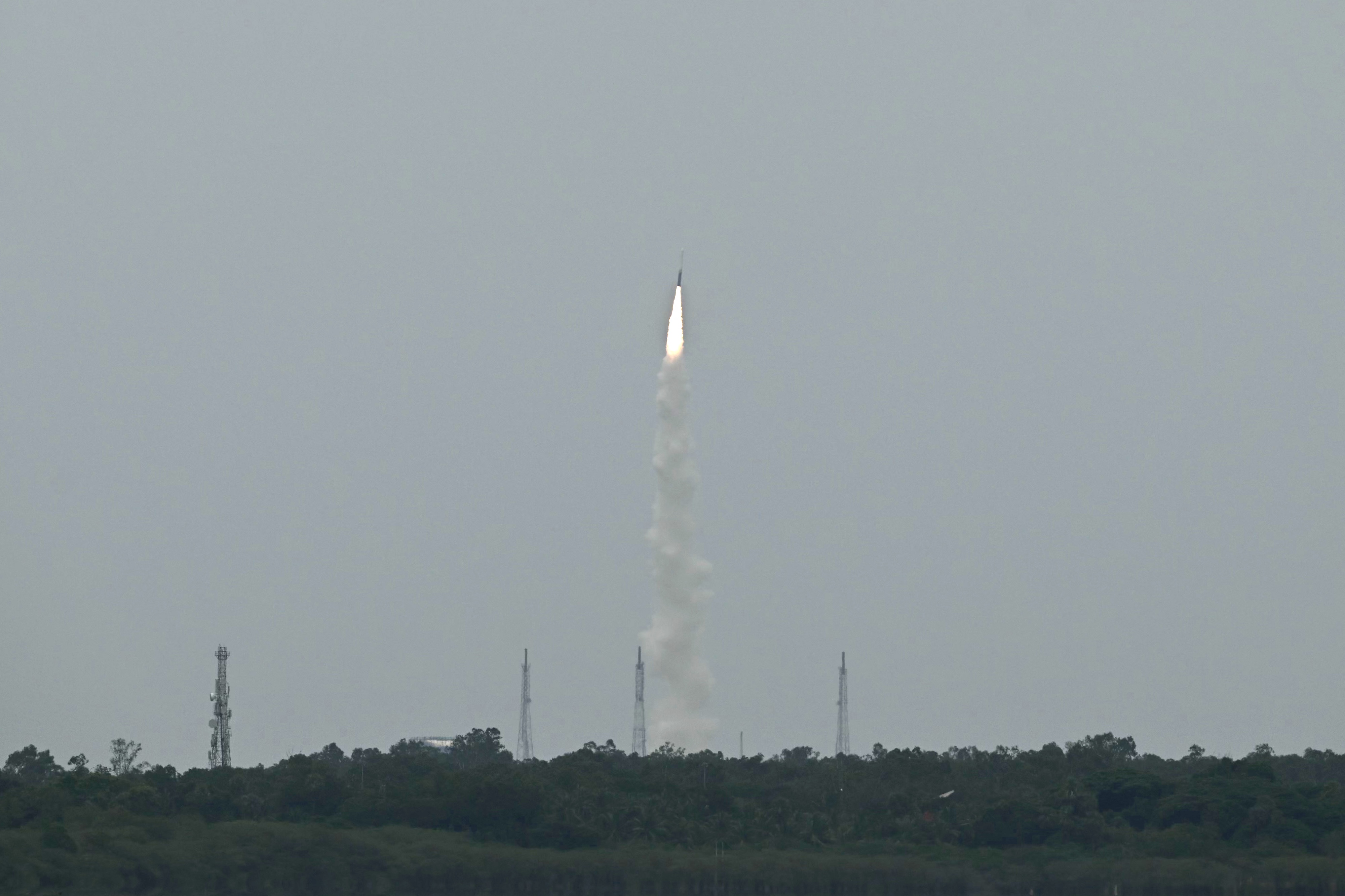
Mission Objectives: Expectations vs. Reality
Interestingly, Skyroot and government officials had set very modest goals for the debut. The primary aim was not even to reach space, but simply to ensure the rocket could leave the ground.
Mission Checklist:
-
Clear the launch tower (Exceeded - Successful liftoff
- Collect ascent data
- Reach orbital velocity
- Deploy all intended satellites
Pawan Goenka, chairman of IN-SPACe, noted that while the goal was merely to clear the tower, the rocket soared to , making the mission "absolutely perfect."
Technical Nuances and Support
The flight was not without a minor hiccup. Onboard footage revealed that during the transition from the third to the fourth stage, the spent third-stage motor did not drift away as expected, remaining close to the fourth stage for a short period. However, the 3D-printed engine of the final stage performed flawlessly, a fact later verified by US military tracking data.
# Hypothetical Launch Status Log
launch_status = {
    "Stage_1": "Success",
    "Stage_2": "Success",
    "Stage_3": "Success (Separation Anomaly)",
    "Stage_4": "Success",
    "Orbit_Reached": True,
    "Payload_Deployed": True
}
print(f"Mission Result: {'GRAND SUCCESS' if launch_status['Orbit_Reached'] else 'FAILURE'}")
The achievement was made possible through a partnership with the Indian Space Research Organization (ISRO). ISRO provided critical "handholding," including:
- Access to solid rocket motor casting facilities.
- Use of testing infrastructure at Sriharikota.
- Permission to utilize one of the agency's two active launch pads.
The rocket, sporting a blue and white livery, is named in honor of the legendary Indian physicist Vikram Sarabhai.