Long presumed dead, a thriving coral reef is discovered in West Africa
A Forgotten Underwater Eden: The Rediscovery of Benin's Coral Reefs
For six decades, the scientific community believed that any coral structures off the coast of Benin had vanished. However, recent expeditions have proven that a vibrant, thriving reef system has been hiding in plain sight.
🕰️ A History of Overlooked Evidence
The story begins in the 1960s. During that era, fishing surveyors tasked with mapping the sandy floors of the Gulf of Guinea to find trawlable areas and assess fish variety accidentally snagged coral heads in their nets.
Despite the significance, this discovery was celebrated largely ignored, relegated to a single, brief paragraph within a massive 130-page report. As time passed, the exact coordinates were lost. By the time modern oceanographers looked back, the global context was grim: since the 1950s, over 50% of the world's coral reefs had been decimated by overfishing and mass bleaching. Consequently, experts assumed Benin's potential reefs were long dead.
The Timeline of Rediscovery
| Era | Event | Outcome |
|---|---|---|
| 1960s | Initial survey by government researchers | Coral found but documented insignificantly |
| 1950s-2010s | Global coral decline | Local reefs presumed extinct |
| 2021 | Zinzindohoué visits Cape Verde | Sparked curiosity about Benin's own waters |
| 2025 | National Geographic Grant | Funding secured to launch the search |
🌊 The Grueling Path to Discovery
Gérard Zinzindohoué, leading the Coral Reefs Rediscovering Exploration in Benin, was driven by a realization of how little was known about his own country's coastline. After discovering a 1960s report suggesting a barrier reef potentially 24 miles long, he set out to find it.
The journey was fraught with logistical nightmares:
- Funding Struggles: Multiple failed grant applications.
- Financial Hurdles: A $20,000 National Geographic grant was secured, but 80% was consumed by sonar equipment.
- Banking Barriers: European suppliers initially refused payments from Beninese bank accounts.
- Lack of Infrastructure: Benin possesses no permanent research vessel.
To overcome these, Zinzindohoué relied on local fishermen. They modified traditional pirogues (small boats) to tow high-tech sonar gear 14 miles offshore—a distance those boats rarely travel. The team endured:
- Constant engine failures.
- Months of debilitating seasickness.
- High-risk navigation in open swells.
🐠 Biological Findings and Scientific Significance
Once sonar pings confirmed something was below, National Geographic provided a high-resolution deep-sea camera. The footage revealed a bustling metropolis of marine life.
Catalog of Discovered Species
| Category | Species/Types Identified |
|---|---|
| Corals | 6 types of soft coral, 2 types of black coral |
| Fish | Golden African snappers, Monrovia doctorfish, blackbar soldierfish, West African goatfish, Guinean angelfish |
The site has been officially classified as a mesophotic coral ecosystem (MCE).
"A hope that sometimes there are species or ecosystems which kind of defeat time, or are trying to resist it," remarked Zinzindohoué.
The Science of MCEs
MCEs are unique communities that exist at the edge of light penetration. In this case, the reef is located at a depth of: These ecosystems act as a biological bridge between shallow-water reefs and the deep benthic zone. Because this specific reef has remained undisturbed, it serves as a "time capsule." Researchers believe that through carbon dating and paleoclimatic studies, they can reconstruct the historical climate systems of the region to better predict future environmental shifts.
🛡️ The Future: Conservation and Protection
The discovery has sparked an urgent call for environmental guardianship. Houangninan Midinoudewa, a researcher with the Benin Marine Conservation Club, expressed overwhelming joy at the find, noting its importance for local livelihoods and fish production.
Current Conservation Goals:
- Establishment of a Marine Protected Area (MPA) to ensure the reef remains undisturbed.
- IUCN Designation: Midinoudewa is applying to have the site recognized as an Important Shark and Ray Area.
Based on anecdotal evidence from local fishermen, the reef is believed to support several high-priority species:
- Sawback angel sharks
- Silky sharks
- Brown skates
- Marbled stingrays
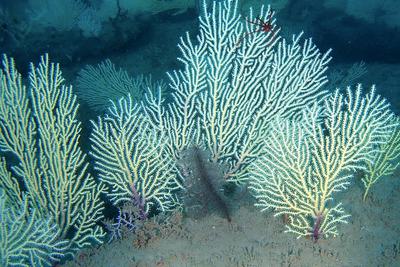 Figure 1: Visual evidence of the soft corals found during the expedition.
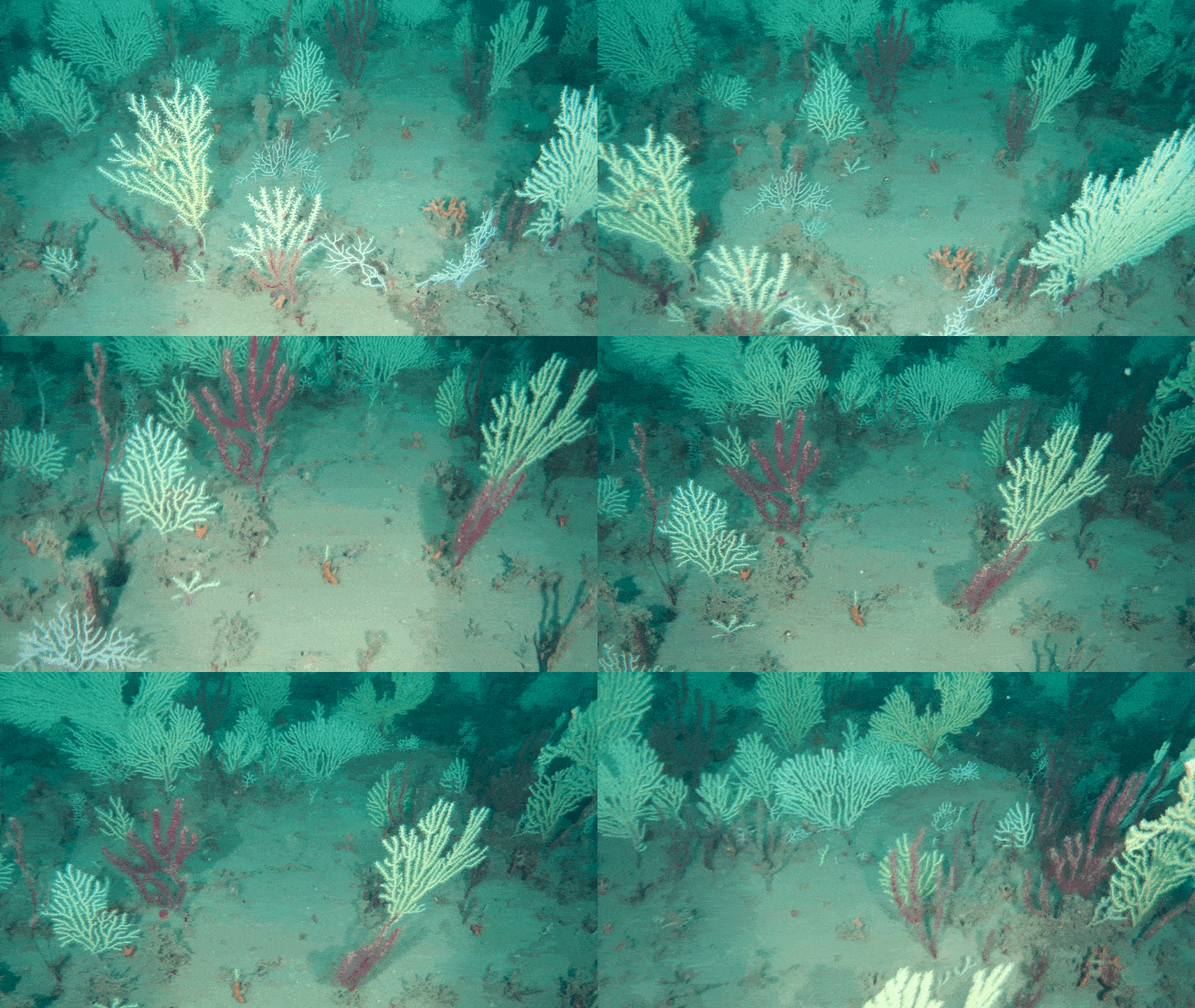 Figure 2: Deep-sea camera footage showing the reef's vitality.