What happened to TheNumbers.com
The Disappearance of TheNumbers.com: A Warning for the Modern Web
By Stephen Follows | July 22, 2026
If you operate within the cinematic ecosystem, you have likely relied on the data from TheNumbers.com recently, even if you weren't aware of it. This platform is widely regarded as the gold standard for film analytics, providing meticulously researched data on budgets, box office earnings, and streaming metrics.
The Scale of Authority
The site's influence is massive, serving as a primary source for academics, journalists, and even the Guinness World Records. To understand the sheer volume of their database as of early 2026, consider the following:
| Metric | Total Count |
|---|---|
| Films Tracked | 78,396 |
| Theatrical Release Records | 178,375 |
| People Indexed | 236,176 |
| Annual Visitors | 8,000,000+ |
However, this "GOAT" (Greatest of All Time) status is exactly what led to the site's catastrophic failure in March of this year.
The Sudden Collapse
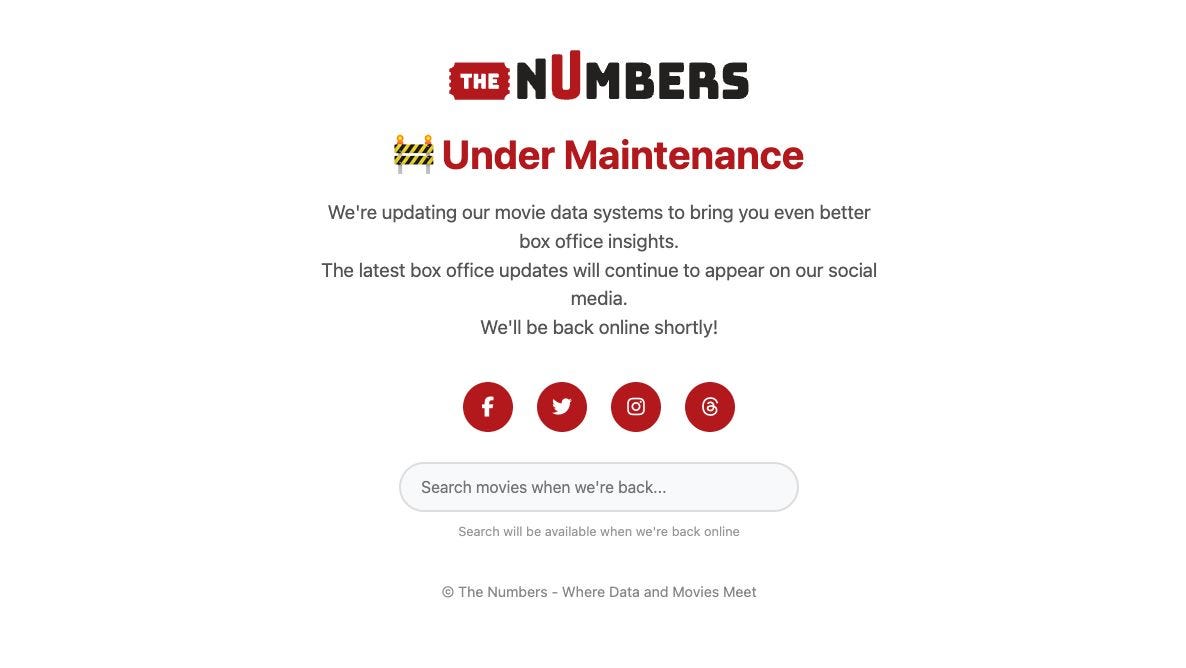
In March, the site vanished. When it finally reappeared a week later, it was a ghost of its former self. The comprehensive experience was gone:
Historical ChartsIndividual Movie Detail PagesThe Report Builder Tool
The only explanation provided was a vague notice: “we’re rebuilding, please bear with us”. This lack of transparency sparked a firestorm of conspiracy theories on Reddit, with some claiming the site had performed a "rug pull" to force users into paid tiers.
Three months later, founder and CEO Bruce Nash shared the grim reality:
"We got a lot of angry emails from people who are like, 'Where's this page that you used to have and you don't have anymore?'"
A Legacy Built on Data
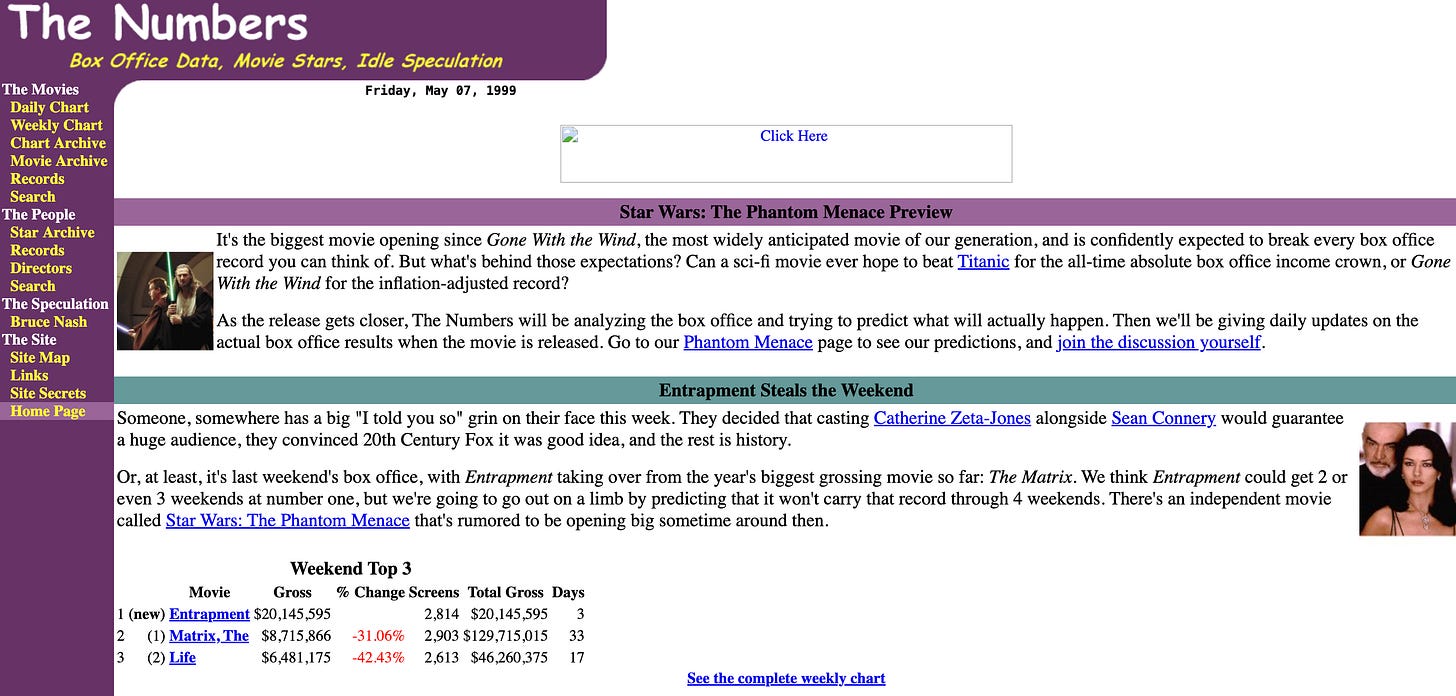
To understand the tragedy, one must understand the origin. On October 17, 1997, Bruce Nash—a mathematician and former IBM developer—launched a modest Geocities page.
"I hit a button in an Access database, uploaded some
HTMLpages to Geocities, and made a brief announcement on the Hollywood Stock Exchange message boards..."
Over nearly three decades, this project evolved from a hobbyist tool for trading "MovieStocks" into the industry's most trusted financial ledger.
The Rise of the Machines
For 25 years, web traffic was predictable. Humans browsed, and search engine crawlers behaved. However, the landscape shifted violently around 2024.
The Evolution of Traffic
Bruce Nash identifies two distinct waves of automation:
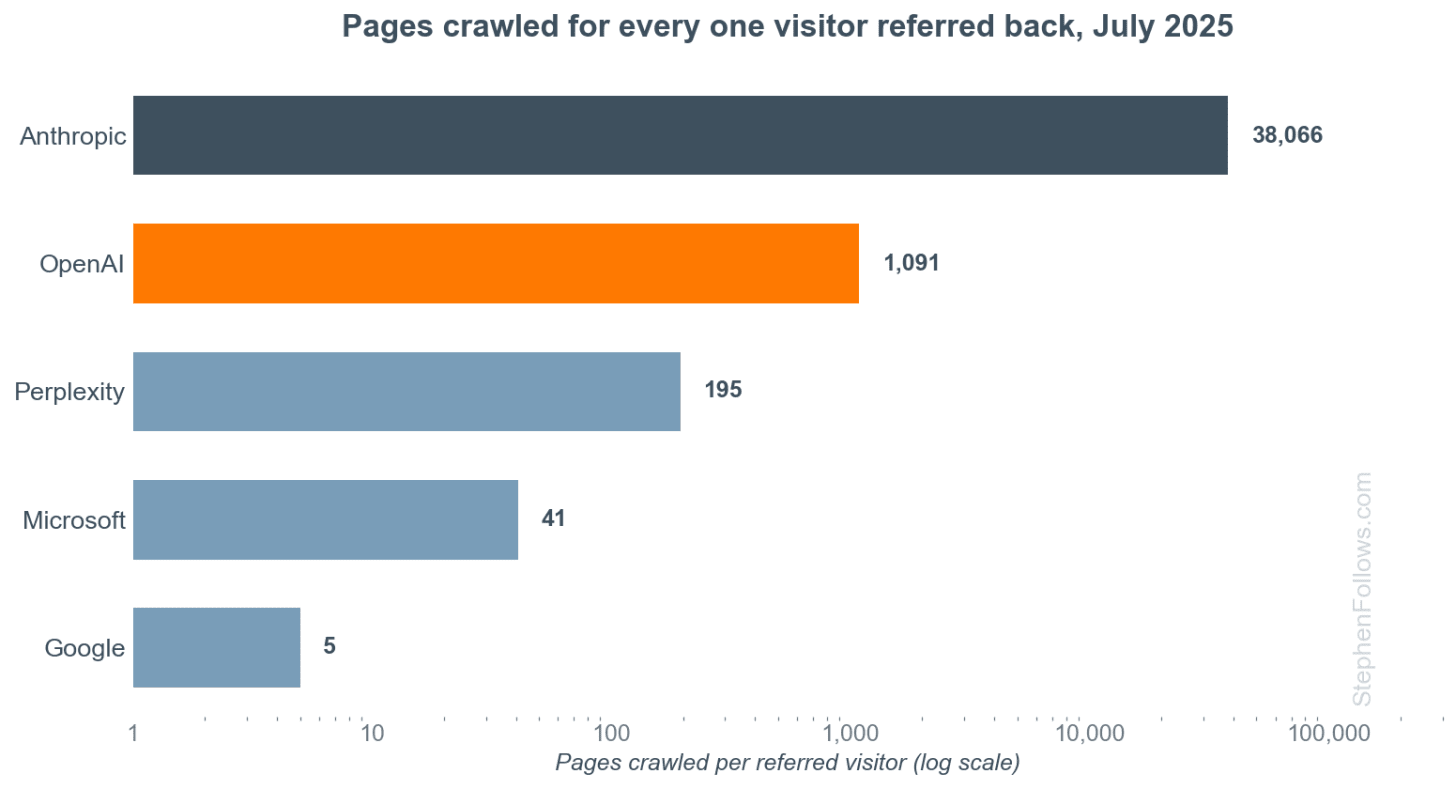
- The Training Wave (2024): LLMs began scraping the web for training data. These bots were less disciplined than Google's crawlers.
- The Agentic Wave (Dec 2025): The rise of AI agents that scrape sites in real-time to answer specific user prompts.
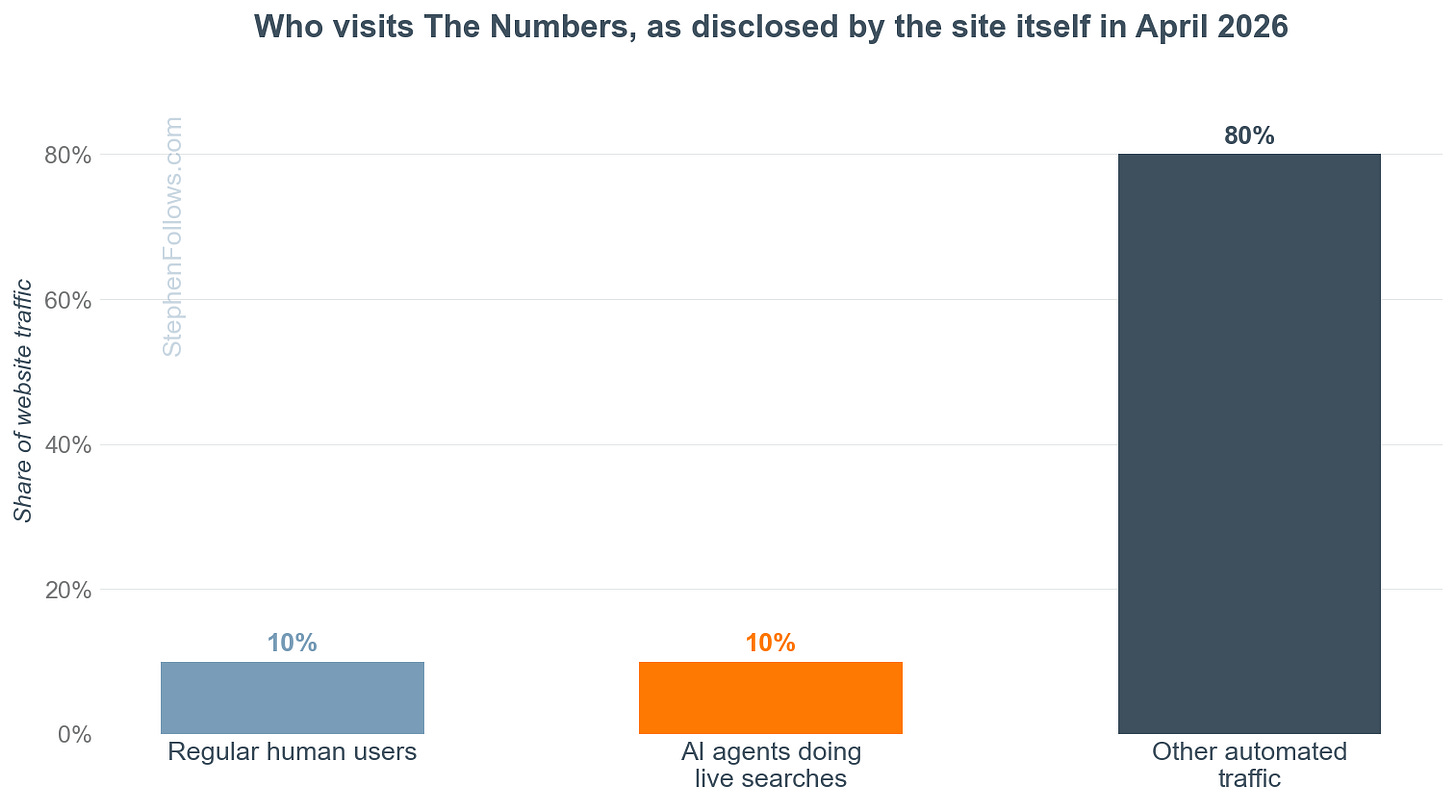
The result was a staggering shift in the traffic ratio. If is human traffic and is total traffic:
This means 90% of the load was non-human.
Fighting a Losing Battle
The team attempted to pivot by "speaking" to the bots. They implemented specific markers to guide LLMs toward licensing agreements rather than raw scraping. While this increased licensing inquiries tenfold, it didn't stop the bleeding.
The technical debt was immense. The site was a legacy monolith:
- Age: 30 years old.
- Complexity: source files.
- Output: pages.
By early March, the team was spending 90% of their time simply preventing a total crash.
The Final Crash: March 5, 2026
In the early hours of Thursday, March 5, the servers finally gave way. Upon inspecting the logs, the team found that the "agentic" traffic wasn't just scraping; it was probing.
# Conceptual log of malicious bot activity
GET /api/data/hidden_endpoint HTTP/1.1  --> 404 (Probing for backdoors)
GET /admin/config HTTP/1.1              --> 403 (Attempting unauthorized access)
GET /movies/latest?bypass_cache=true    --> 200 (Aggressive scraping)
The bots were searching for URLs that could bypass the public front-end or manipulate the data. On the advice of cybersecurity experts, the legacy servers were kept offline. Restoring them would have meant defending 160,000 vulnerable files against an army of AI agents.
The Recovery Roadmap
The team had to start over with a "skeleton" site on new infrastructure. Their current priority list looks like this:
- Restore basic box office updates.
- Rebuild historical archives.
- Implement robust AI-defense layers.
- Restore the Report Builder.
Visual Gallery