The Law of Jante (2015)
The Law of Jante (2015)
A 1933 Novel That Scandalized Denmark
By Michael Booth | February 11, 2015 | Category: Travel
How did a prickly Danish writer leave such a permanent scar on the collective psyche of his nation?

If you meet a contemporary Dane, you won't find a particularly "God-fearing" individual. While the Danish church never officially split from the state (unlike the Swedish model), its influence is evaporating. Sunday pews are emptying, divorce rates are climbing, and the clergy have been largely pushed to the periphery of public conversation.
One might assume that the tenets of Martin Luther have vanished. However, the core of Lutheranism—specifically its emphasis on modesty, frugality, and a deep-seated distaste for elitism or individualism—continues to dictate how Danes interact and perceive the world. This is due, in no small part, to a very unlikely literary figure.
The Life of a Fugitive: Aksel Nielsen
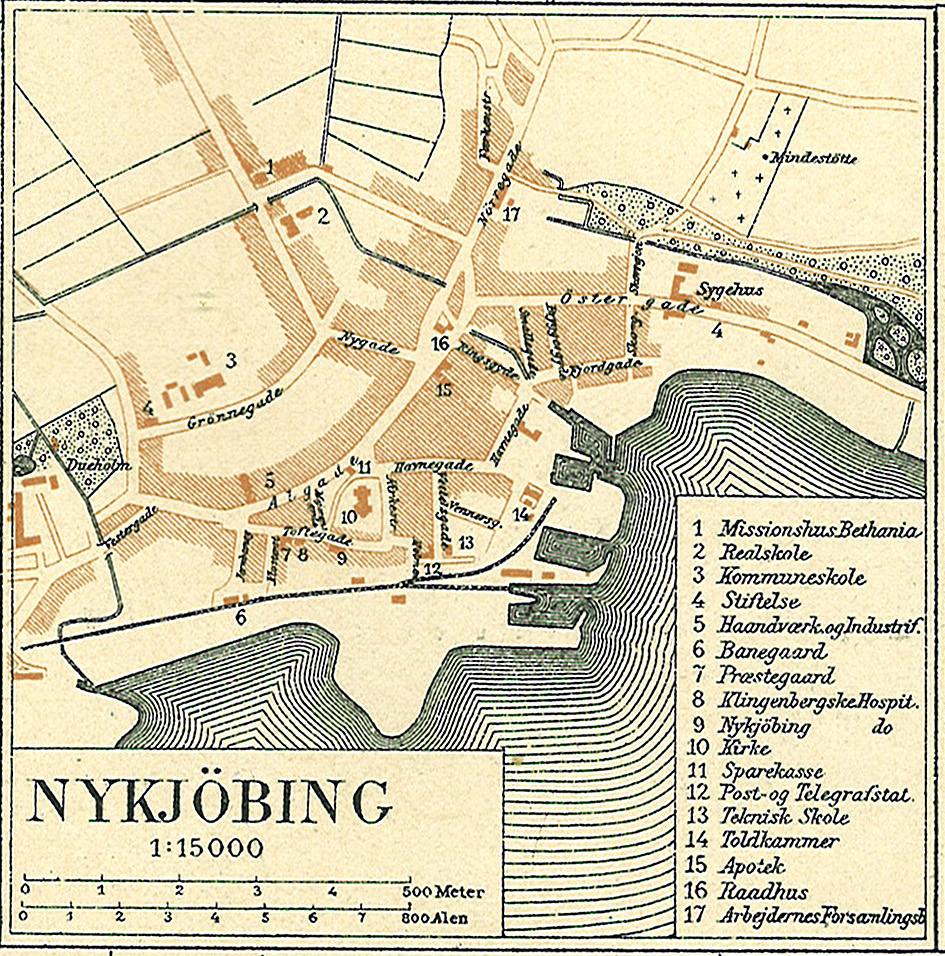
Aksel Nielsen began life as a frail, sickly child who matured into a physically stunted young man. Born in 1899 in the quiet town of Nykøbing on the island of Mors (North Jutland), the son of a blacksmith, he had a basic education.
At seventeen, in 1916, he began a lifelong pattern of escaping reality by sailing to Newfoundland on a schooner. This was merely the first of many "flights." Shortly after arriving in North America, he jumped ship. However, with the world embroiled in war, Nielsen's nocturnal habit of writing in notebooks and his peculiar accent made Canadian authorities suspicious. He fled again, traveling through Spain to return to Denmark.
His parents were already displeased with his departure; his desertion only worsened their view of him. Yet, these North American adventures provided the raw material for his career. At twenty-four, after facing numerous rejections, he published Stories from Labrador. He adopted the pen name Sandemose, derived from a location near his mother's Norwegian roots.
A History of Escapism
Sandemose's writing style—a blend of fact and fiction reminiscent of Joseph Conrad, though often interrupted by tedious essays—accompanied a life of chaos.
| Year | Destination | Reason for Flight / Event |
|---|---|---|
| 1916 | Newfoundland | Initial escape from home |
| 1916+ | Canada Spain Denmark | Jumped ship; suspected of spying |
| 1930 | Norway | Financial scandals (sold book rights twice) |
| WWII | Sweden | Marginal resistance work; deemed a "loose lip" |
| 1945 | Norway | Returned; fathered twins with a new partner |
The Man Behind the Mask
By most accounts, Sandemose was an abhorrent human being: an amoral, untrustworthy fantasist. The allegations against him are staggering. One of his sons accused him of:
- Bigamy
- Cruelty to animals
- Incest
- Pedophilia
There are even whispers of him murdering a Norwegian man. Despite this, his image has appeared on the tail of a Norwegian Air 737, listed among "Norwegian" heroes.

The Legacy of "Jante"
While most of his bibliography is now ignored, a specific section of his 1933 novel, A Fugitive Crosses His Tracks, remains culturally potent. The book is a roman à clef targeting the residents of Nykøbing, which he renamed "Jante."
The novel was a scathing satire of small-town Danish life, depicting a society governed by:
- Pettiness and envy
- Backbiting and gossip
- Inverted snobbery
Naturally, the people of Nykøbing were outraged to see their own mean-spiritedness mirrored so accurately on the page.
The Law of Jante (Janteloven)
The most enduring part of the book is a set of social guidelines that the citizens of Jante allegedly follow. These "Ten Commandments" of the North have spread across the Nordic region.
The Rules of Jante Law:
- You shall not believe that you are someone.
- You shall never imagine that you are better than we are.
- You shall not believe that you are more important than we are.
- You shall not believe that you are going to amount to anything.
If we were to express the social pressure of Jante Law as a formula:
Modern Denial
Given Sandemose's unstable personality, one might dismiss these rules as the delusions of a madman. However, Sandemose captured something profoundly true about the Danish (and broader Nordic) character.
Today, if you mention the Law of Jante to a Dane, you will likely encounter:
AgreementEye-rollingAcknowledgmentDeep sighs
They will insist that the phenomenon is still active . They claim the satire is a relic of a peasant society and no longer applies to a modern, successful nation. They might even point out that Queen Margaret condemned the concept in a New Year's address during the 1980s.
Current Danish Self-Perception Checklist:
- Proud of national achievements
- Supportive of others' success
- Secretly judging those who think they are "special"