Forbidden City Cabbage
The Legend of the Forbidden City Cabbage
While the world flocks to the Louvre for the Mona Lisa or the British Museum for the Rosetta Stone, the National Palace Museum in Taipei, Taiwan, boasts a superstar of a different variety: a vegetable.
🥬 The Masterpiece of Jadeite
The "Jadeite Cabbage" is a breathtaking sculpture carved from a single block of green and white jadeite. It is designed with such precision that it appears as though it were just plucked from a garden, shimmering with the likeness of morning dew.
Key Physical Details:
- Fauna: A locust and a katydid are intricately carved into the leaves.
- Texture: The artist cleverly utilized the natural imperfections of the stone to simulate the ribs of the cabbage stems.
- Dimensions: The piece stands at a height of .
| Museum | Iconic "Must-See" Artifact |
|---|---|
| The Louvre | Mona Lisa |
| British Museum | Rosetta Stone |
| MoMA | Starry Night |
| National Palace Museum | Jadeite Cabbage |
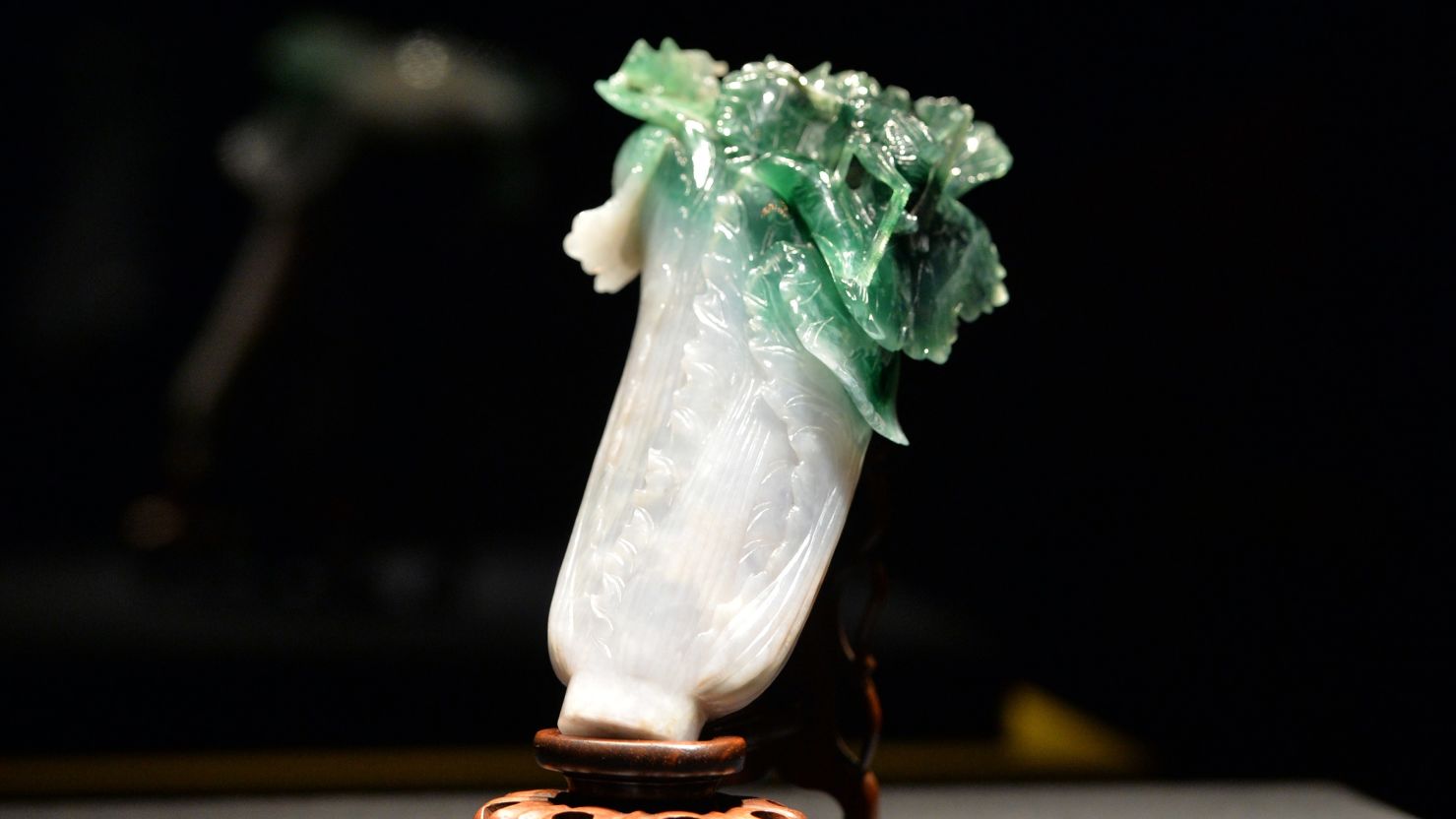
🌟 A Global Phenomenon
The sculpture's popularity is so immense that it has its own dedicated exhibition hall. The museum treats the object like a celebrity, announcing its "business trips" (loans to other institutions) in advance so fans aren't disappointed.
"When you see it in pictures, it doesn’t seem that vivid, but when you see it here in true light, it’s really more attractive," remarked Chloe Wang, a visitor from mainland China.
While it is officially designated as a national treasure frequently called a "national treasure" by the public, its fame extends to the gift shop, where it is reimagined as:
- Plush toys
- Replica models
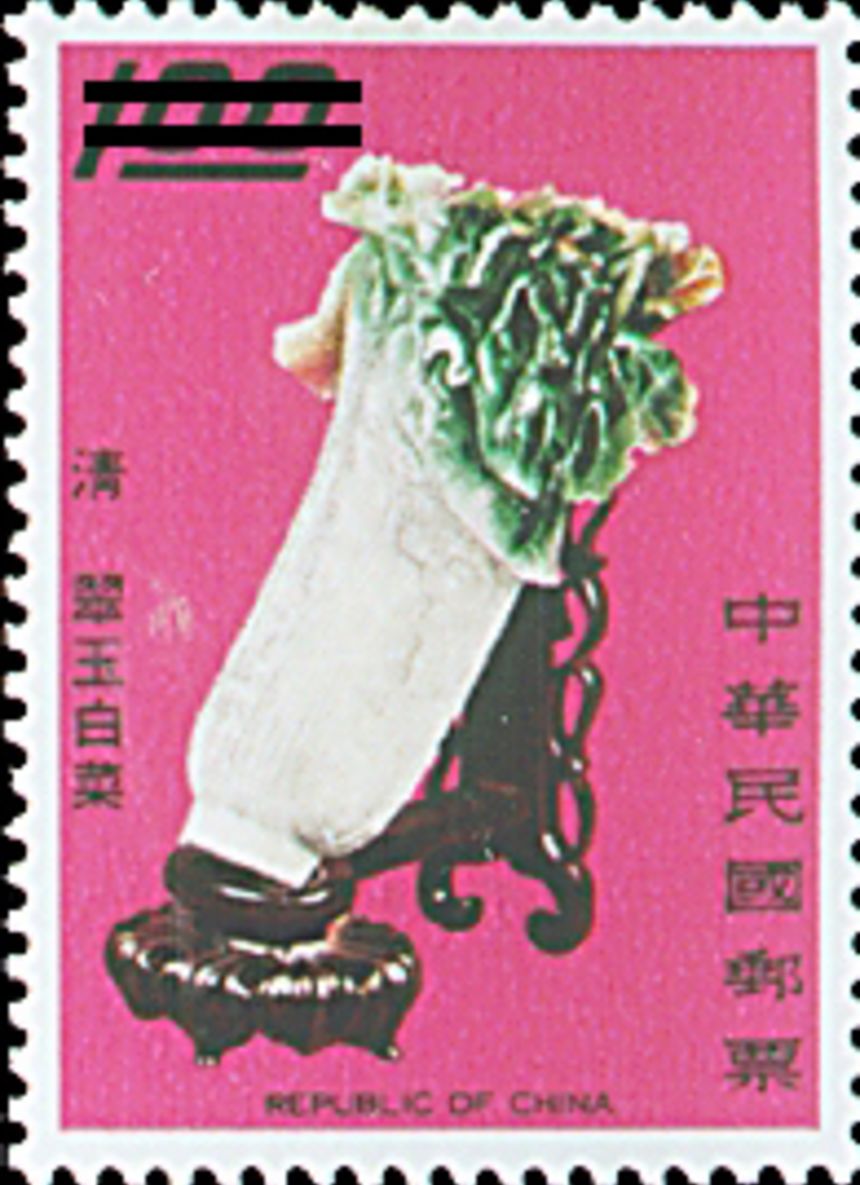
- Postage stamps (as seen in 1968)
Visitor's Checklist:
- Wait in the photo line
- Visit the dedicated cabbage hall
- Buy a plushie replica
- Check the "business trip" schedule
📜 Origins and Journey
The cabbage is an imperial relic that once resided within the walls of the Forbidden City in Beijing. Its journey to Taiwan is a result of the geopolitical shifts during the Chinese Civil War.
The "Cabbage Competition"
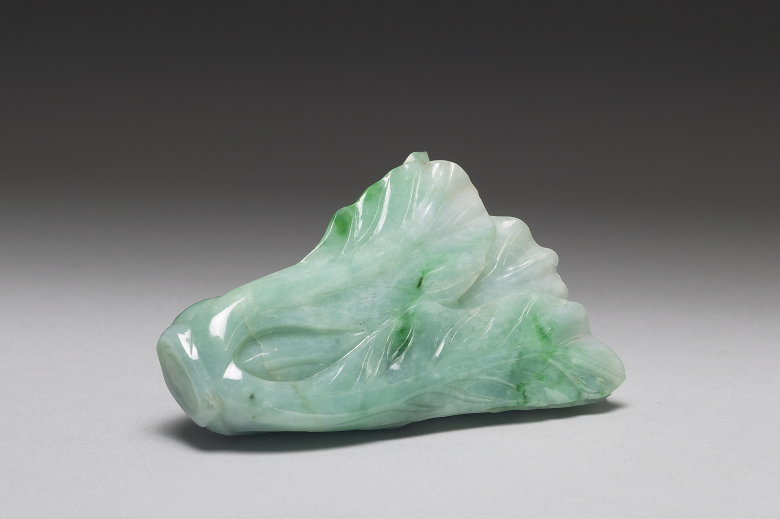
Interestingly, this is not the only jade cabbage in existence. Other examples can be found at:
- The Palace Museum (Beijing)
- The Tianjin Museum (Mainland China)
- The National Palace Museum (Taipei)—which actually owns two other, less famous versions.
🎨 Why This Specific Cabbage?
Professor Hsu Ya-hwei of National Taiwan University suggests that the combination of the specific raw material and the sculptor's skill is what makes this piece superior.
{
  "artifact_id": "NPC-CABBAGE-01",
  "material": "Jadeite",
  "status": "Global Icon",
  "primary_appeal": ["Craftsmanship", "Symbolism", "Material Color"]
}
Beyond the art, the cabbage carries deep symbolic weight. It is believed to have been part of a dowry for the Guangxu Emperor in the 1880s, representing:
- Female purity
- Fertility
- Abundance
While some historians debate if the insects truly represent children or if the item was even a dowry, Hsu notes that these "auspicious wishes" are what capture the imagination of the general public.
🍲 The "Imperial Hotpot"
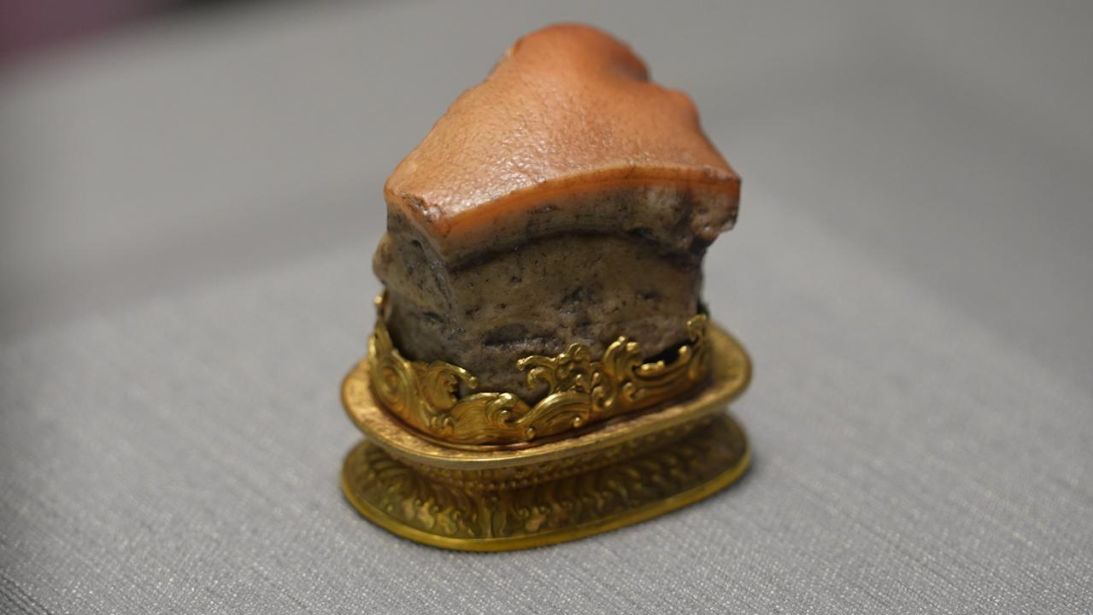
The cabbage is often grouped with two other artifacts to create a whimsical, informal trio known as the "pickled cabbage pork hotpot":
- The Jadeite Cabbage (The vegetable)
- The Meat-Shaped Stone (The protein)
- The Mao Kung Ting (The cooking vessel)
After the Qing dynasty collapsed in 1912, the cabbage was found inside a colorful enamel pot. It eventually transitioned from a private imperial possession to a public treasure, proving that even a humble vegetable can become an immortal piece of art.