The First At-Home Test for Infected Ticks Could Improve Lyme Disease Diagnosis
The First At-Home Test for Infected Ticks Could Improve Lyme Disease Diagnosis
LymeAlert is set to enter the consumer market this August, offering a potential revolution in how we handle tick-borne threats. This new diagnostic tool aims to become a standard addition to the home medicine cabinet.
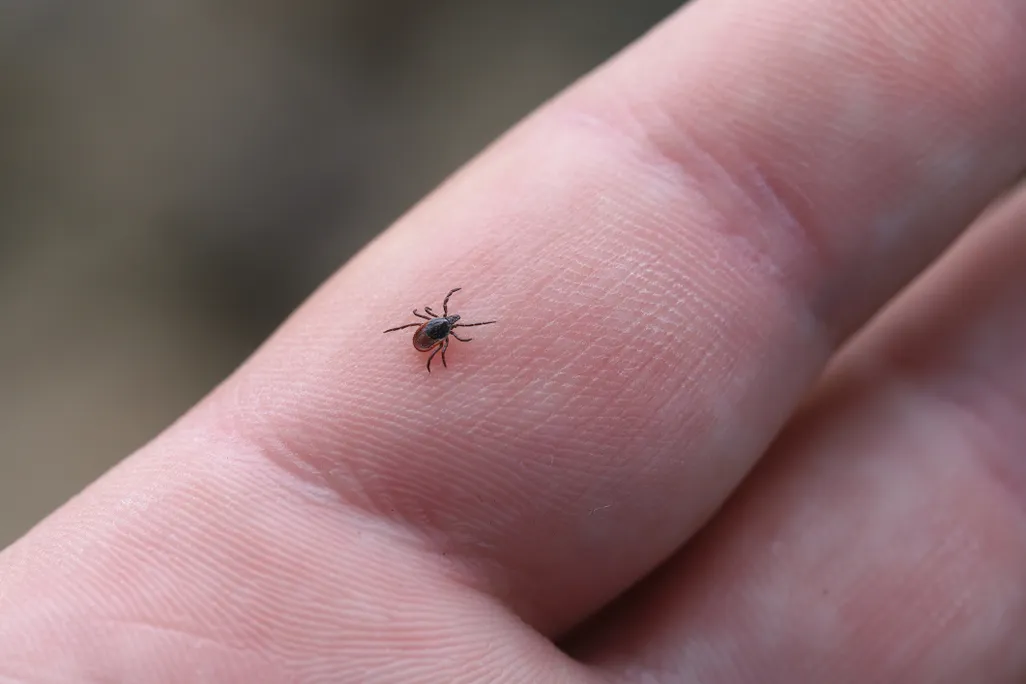
The Scope of the Tick Problem
Across the globe, there are approximately 899 tick species, with about 90 residing in the continental United States. Despite this variety, a small handful of species are responsible for the vast majority of human infections.
Research indicates that over 31 million Americans—roughly of the population—are bitten by ticks annually. While many bites are benign, these arachnids can transmit a variety of pathogens in as little as 36 to 48 hours.
Common Tick-Borne Pathogens
- Lyme disease (The most prevalent)
- Anaplasmosis
- Babesiosis
- Rocky Mountain spotted fever
- Alpha-gal syndrome
The CDC recently noted a surge in emergency room visits related to these illnesses, with Lyme disease leading the statistics. Approximately 476,000 people are treated for Lyme disease every year, particularly in the Upper Midwest, Mid-Atlantic, and Northeast regions.
Clinical Challenges and Symptoms
Erin Dawicki, a pediatric physician associate based in Boston, has witnessed the rise of these infections firsthand. She reports an increase in children presenting with "huge swollen joints and zero trauma," a hallmark of Lyme arthritis, which can manifest months after an initial, untreated bite.
Identifying the Infection
Early detection is vital for a full recovery. Patients typically exhibit:
- A characteristic "bull's-eye" rash at the site of the bite.
- Systemic symptoms:
- Fever and chills
- Headaches and fatigue
- Muscle/joint aches
- Stiff neck and swollen lymph nodes
Treatment Protocols
Standard treatment usually involves a 10- to 14-day antibiotic regimen. However, the CDC suggests a prophylactic approach in high-risk areas:
If tick attachment > 36 hours Administer 200mg Doxycycline within 72 hours.
"I have to blanket prescribe because the risk of Lyme is so high," Dawicki explains, noting that this practice contributes to the national crisis of antibiotic resistance.
Some patients suffer from "chronic Lyme disease", now formally known as post-treatment Lyme disease syndrome. This condition involves cognitive difficulties, musculoskeletal pain, and exhaustion. The CDC maintains that recovery requires time rather than further antibiotics.

The Genesis of LymeAlert
The idea for a home test emerged during Dawicki's 2024 MBA program as an MIT Sloan fellow. In a healthcare entrepreneurship course, students pitched innovations in three tracks: pharmaceuticals, Parkinson’s disease, or Lyme disease.
Dawicki realized that many parents were anxious about ticks found on their children but faced barriers to professional care, such as:
- High cost of office visits
- Inability to take time off work
- Uncertainty if the tick is even infected
This led to her "aha moment": creating a way for patients to test the tick immediately at home.
Tick Taxonomy and Distribution
The National Tick Collection, housed at Georgia Southern University and on loan from the Smithsonian's National Museum of Natural History, contains over one million specimens. This resource is critical for understanding how these parasites spread.
The following table summarizes the primary infectious species in the U.S.:
| Tick Species | Scientific Name | Primary Regions | Diseases Carried |
|---|---|---|---|
| Blacklegged Tick | Ixodes scapularis | NE, Mid-Atlantic, Upper Midwest, SE | Lyme, Anaplasmosis, Babesiosis, Powassan, B. miyamotoi |
| Western Blacklegged | Ixodes pacificus | Pacific Coast (CA, OR, WA) | Lyme, Anaplasmosis |
| Lone Star Tick | Amblyomma americanum | SE Midwest, Mid-Atlantic, NE | Ehrlichiosis, Heartland virus, STARI, Alpha-gal |
| American Dog Tick | Dermacentor variabilis | Eastern US, parts of West | Rocky Mountain spotted fever, Tularemia |
Other notable species include the Rocky Mountain wood tick and the Gulf Coast tick.
 Article by Kristen A. Schmitt