Why travellers are obsessed with foreign supermarkets
The Allure of the International Aisle: Why We Love Foreign Supermarkets
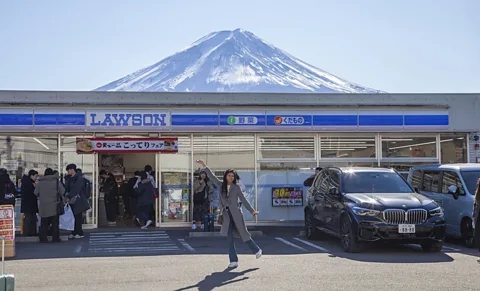
It is 10:00 AM at a Tokyo 7-Eleven. I am packed in tight with a group of fellow tourists, our baskets overflowing with a very specific set of treasures:
- Fluffy egg mayonnaise sandwiches
- Katsu curry buns
- Matcha-flavored Kit Kats
Warm cans of Boss coffee(sourced from those satisfying heated shelves)
Before even paying, someone behind me is already documenting their haul for social media. The rhythmic chime of the door continues to signal the arrival of more seekers.
This has become a global ritual for me. I recall spending a sweltering afternoon in Barcelona, obsessively scouring a basement Mercadona for pistachio cream. In Miami, I completely ignored the actual groceries at Trader Joe's just to stockpile six jars of Everything But the Bagel seasoning, rearranging my entire suitcase to accommodate them.
What used to be a holiday necessity has evolved into a primary travel goal—something planned into the itinerary rather than a last-minute errand.
The Rise of "Grocery Tourism"
The data suggests this isn't just a personal quirk. According to the Hilton 2026 Trends Report, 77% of travelers find joy in visiting overseas grocery stores. Furthermore, Condé Nast Traveller has identified "grocery tourism" as a major trend for 2026.
Industry Adaptation
The retail sector is taking note. For example, K-Supermarket in Finland has pioneered a new approach by listing its stores as official tourist attractions on Tripadvisor.
| Store Feature | Example/Detail |
|---|---|
| Eco-Innovation | Helsinki branches with rooftop beehives for local honey |
| Specialization | Locations praised for curated craft beer selections |
| Management | Independently run stores tailored to the local neighborhood |
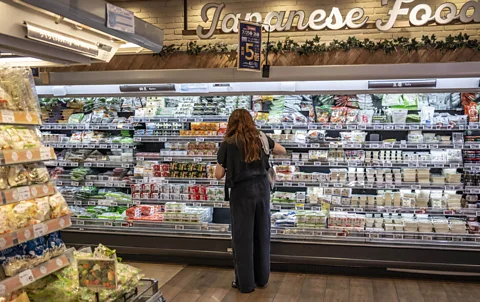
Why the Grocery Store Hits Differently
Stepping into a local market offers a raw, unvarnished perspective of a destination. Unlike museums or "viral" landmarks, these aisles aren't curated for foreigners or endorsed by a tourism board.
"Monuments reveal how a country remembers its past, but a supermarket shows how it lives today."
By wandering these aisles, you gain immediate insights into the local lifestyle:
- Dietary Habits: What constitutes a standard breakfast?
- Cultural Norms: Are diapers sold behind a counter?
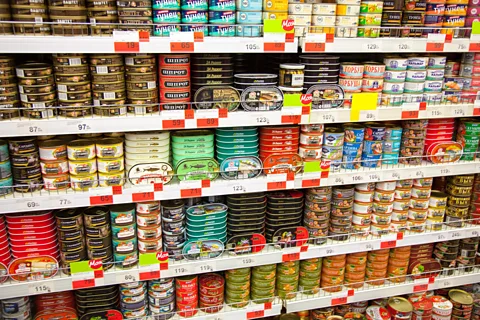
- Culinary Obsessions: Exactly how many types of tinned fish are considered "essential"?
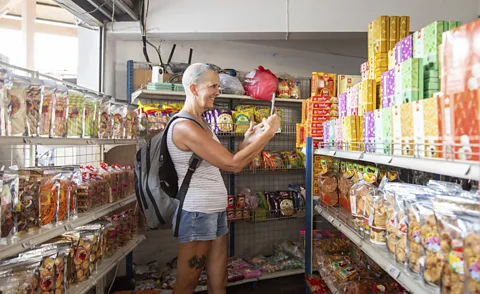
The Science of Taste
Why does a simple snack taste better abroad? Professor Charles Spence, an experimental psychologist at Oxford, attributes this to a variation of the Provençal Rosé Paradox. This is the idea that a wine enjoyed during a summer vacation tastes far superior than the same bottle opened on a rainy Tuesday at home.
In mathematical terms, the perceived flavor can be viewed as:
When you eat a new flavor of Lay's crisps on a sun-drenched balcony, the environment becomes an ingredient. Once you return home, the "magic" fades because the context is gone.
Accessibility and Authenticity
One of the greatest appeals is the price point. While not everyone can afford a private food tour or a Michelin-starred dinner, almost anyone can spend to explore a basket of exotic drinks and snacks.
{
  "experience_type": "Grocery Tourism",
  "cost_barrier": "Low",
  "authenticity_level": "High",
  "curation": "None (Organic)"
}
The Psychological Shift
Kate Nightingale, a consumer psychologist and founder of Humanising Brands, suggests this trend is part of a larger movement toward participatory travel. We no longer want to be mere observers; we want to feel integrated into the destination.
The Grocery Tourist's Checklist
- Find a snack flavor not available in my home country.
- Observe a local shopping habit that seems strange.
- Buy a local ingredient to try and recreate a dish at home.
- Avoid the "Tourist Section" of the store.
Ultimately, the supermarket doesn't "hand" us a curated experience; it allows us to discover one for ourselves.