California's new tire efficiency rules could save drivers $1B a year
California's New Tire Efficiency Rules could save drivers $1B a year
California has officially become the pioneer state in tackling a hidden drain on vehicle efficiency: inefficient replacement tires. While many drivers are unaware of the issue, the state's new regulations aim to stop the "efficiency leak" that occurs when original factory tires are swapped for lower-quality alternatives.
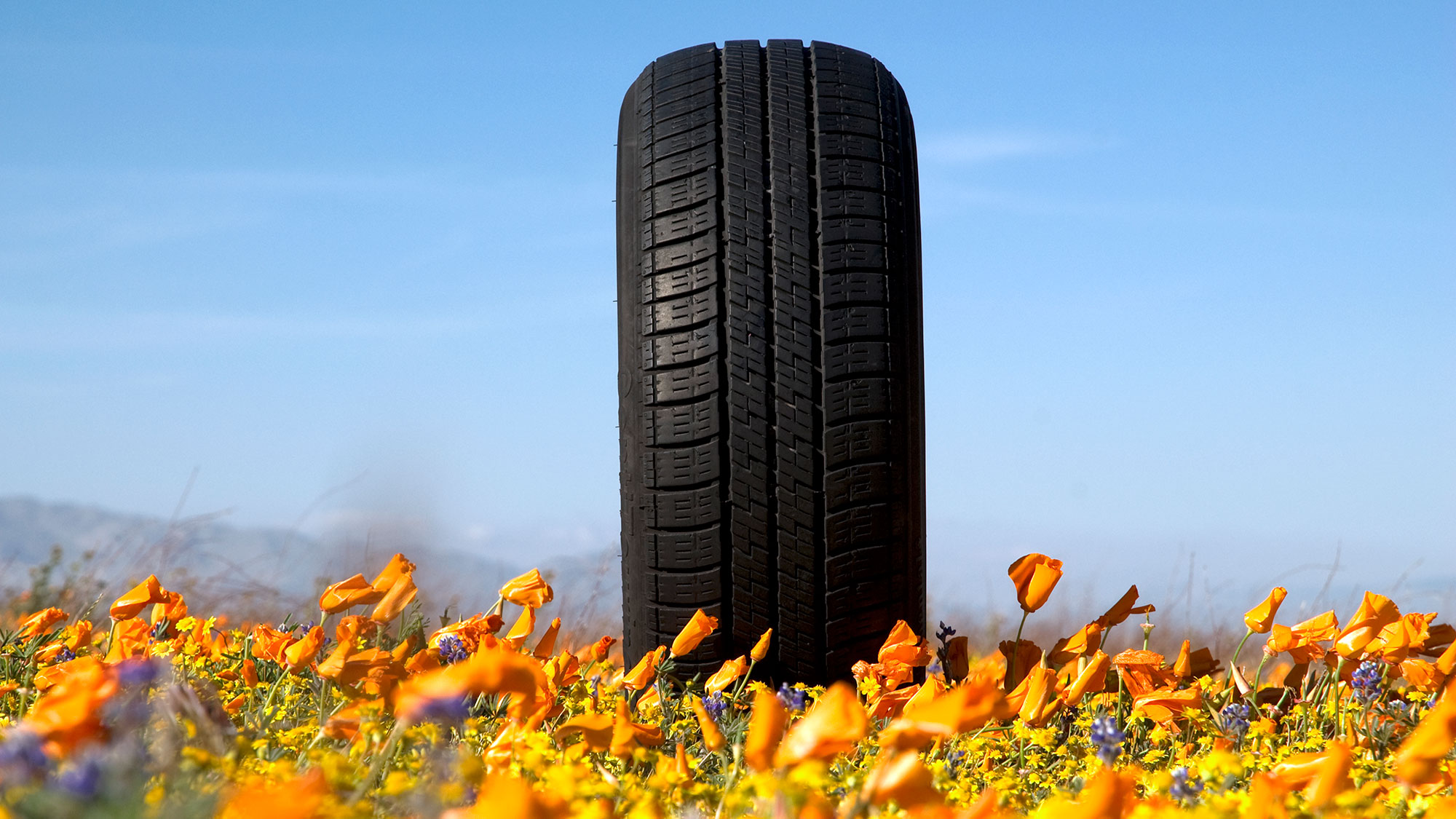
The Problem: The "Replacement Gap"
When a vehicle is manufactured, automakers typically install tires with low rolling resistance to maximize fuel economy. However, once those tires wear out, consumers often replace them with options that are significantly less efficient.
"It's very difficult or impossible for consumers to know how energy efficient their tires are going to be," explains Brian Fadie, senior manager for state policy at the Appliance Standards Awareness Project. "As a result, many people unknowingly buy tires that cost them more money than necessary."
This inefficiency creates a double-edged sword:
- Internal Combustion Engines (ICE): Burn more gasoline.
- Electric Vehicles (EVs): Require more electricity and suffer reduced range.
The Efficiency Cycle
The Solution: New State Standards
The California Energy Commission has unanimously passed a rule to ensure replacement tires maintain the efficiency levels of original equipment. To help consumers navigate their choices, the state will implement a "leaf" rating system.
Implementation Roadmap
- Phase 1 (2029): Eliminate the most inefficient tires from the market.
- Phase 2 (2033): Introduce stricter, more rigorous efficiency standards.
Note: The timeline was extended from original proposals to allow manufacturers more time to adjust their production.
Exemptions and Caveats
Not all tires are subject to these rules. The following are currently excluded:
- Snow tires
- Competition/Racing tires
All-weather tires(These are currently excluded but are being tracked for potential future regulation).
Environmental and Economic Impact
The state projects a massive win for both the wallet and the planet. The reduction in carbon dioxide is estimated as: This is roughly equivalent to removing cars from California's roads.
The Cost Debate: CEC vs. SEMA
There is a significant disagreement regarding the financial burden on the consumer.
| Source | Estimated Cost Increase (per set) | Estimated Lifetime Savings |
|---|---|---|
| CA Energy Commission | \6 - $26$ | \85 - $153$4.60/\text{gal}$) |
| SEMA / Gladfelty | Up to \365.20$ | Not specified as a net gain |
Differing Perspectives
The industry is divided. Some manufacturers, such as Michelin and ENSO, have expressed support. Francesca Mosteller of Michelin North America stated that the goals are "technically feasible within the defined timeframes."
Conversely, Christian Robinson of the Specialty Equipment Market Association (SEMA) worries about the impact on working-class families, arguing that the price hikes could be an "undue burden."
However, consumer advocates like Karim Marshall (Consumer Federation of America) argue that industry cost estimates are misleading. While he criticized the delays and exemptions, he noted:
"We aren't going to let the perfect be the enemy of the good."
Bill Magavern of the Coalition for Clean Air added that government intervention is essential because "manufacturers do not do the right thing on their own."
A Long Road to Regulation
This rule is the culmination of a decades-long effort:
- 2003: California Legislature passes the initial law.
- 2007: State efforts
pausedas the federal government attempted to take over. - 2007-2020: Federal efforts languished and failed to materialize.
- 2020: The California Energy Commission revived the project.
Summary of Technical Improvements
To achieve these standards, manufacturers can use specific materials. For example:
def improve_tire_efficiency(material):
    if material == "silica":
        return "Increased efficiency AND better traction"
    else:
        return "Standard performance"

# Result: improve_tire_efficiency("silica") -> "Increased efficiency AND better traction"
With the rule now finalized, California sets a precedent for the rest of the nation in reducing the overlooked environmental and financial costs of the rubber meeting the road.