Water Behind the Watts: The Hidden Risk of Powering Data Centers
The Invisible Current: Unmasking the Water Footprint of Data Center Energy
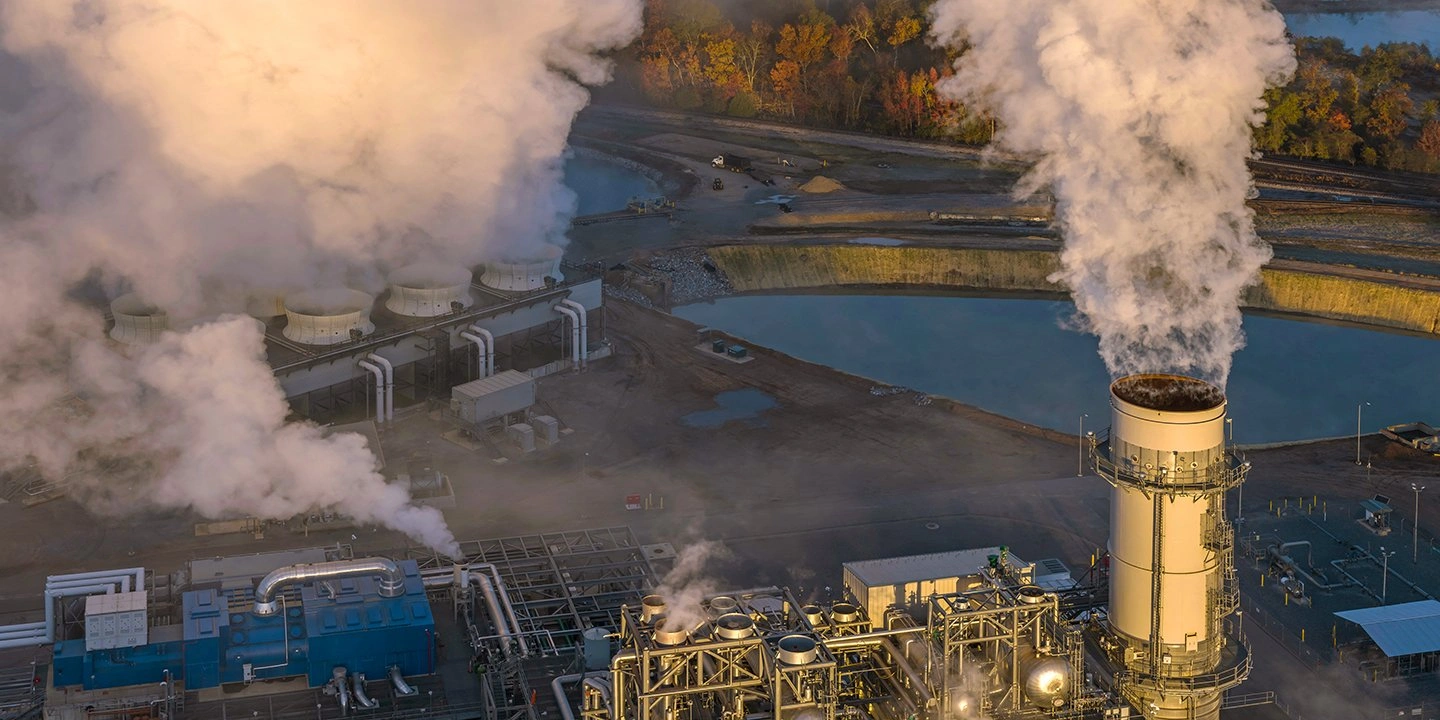
While the tech industry often discusses the water required to cool servers, there is a far more significant, yet invisible, drain on our resources. The report "Water Behind the Watts" reveals that the water used to generate the electricity powering these facilities outweighs the water used for direct cooling.
Focus only on cooling systems Analyze the entire energy lifecycle.
🌐 Scope of the Analysis
The research focuses on seven critical U.S. states that house approximately 50% of all domestic data centers:
- Virginia
- Texas
- California
- Illinois
- Georgia
- Ohio
- Arizona
📊 Key Findings: The Water-Energy Nexus
The scale of water consumption is staggering. To understand the impact, we can look at the following data:
| Metric | Value/Detail |
|---|---|
| Annual Freshwater for Electricity | |
| Water-Dependent Generation | of electricity in analyzed states |
| High-Stress Exposure | of water-using plants face medium-high to extreme stress |
| Primary Driver of Demand | Data Centers (according to power producers) |
The Scale of Consumption
To put the trillion gallons into perspective, we can use the following LaTeX expression to represent the magnitude:
🛠️ The Risk Architecture
The relationship between AI growth and environmental strain can be visualized as a cascading dependency:
⚠️ The Awareness Gap
Despite the clear risks, there is a systemic failure in how these risks are tracked.
"Most power producers identify data centers as a primary driver of rising electricity demand, but few have considered the potential water risks tied to this growth. Most companies operating data centers do not take into account the water risks linked to the electricity they purchase."
In technical terms, the current risk_assessment logic used by many firms looks like this:
def calculate_water_risk(facility):
    # ERROR: Only calculating direct onsite usage
    return facility.onsite_cooling_water
    # MISSING: grid_generation_water_footprint
🚀 The Path Forward
As the buildout of AI infrastructure accelerates, the competition for land, energy, and water intensifies. To mitigate this, the report suggests a shift toward equitable and sustainable development.
Required Action Items:
- Transition to
clean energysources that minimize water withdrawal. - Implement more aggressive water-efficiency protocols.
- Ensure development is fair, affordable, and protective of local ecosystems.
- Integrate indirect water costs into corporate sustainability reporting.
By addressing these hidden risks, policymakers, investors, and operators can ensure that the digital revolution does not come at the expense of our most precious natural resource.