You probably own this 7-Eleven (and that's why it looks so sad)
You Are Likely a Landlord of This Depressing 7-Eleven
By Joseph Lawler | Originally published in The New Atlantis, Summer 2026
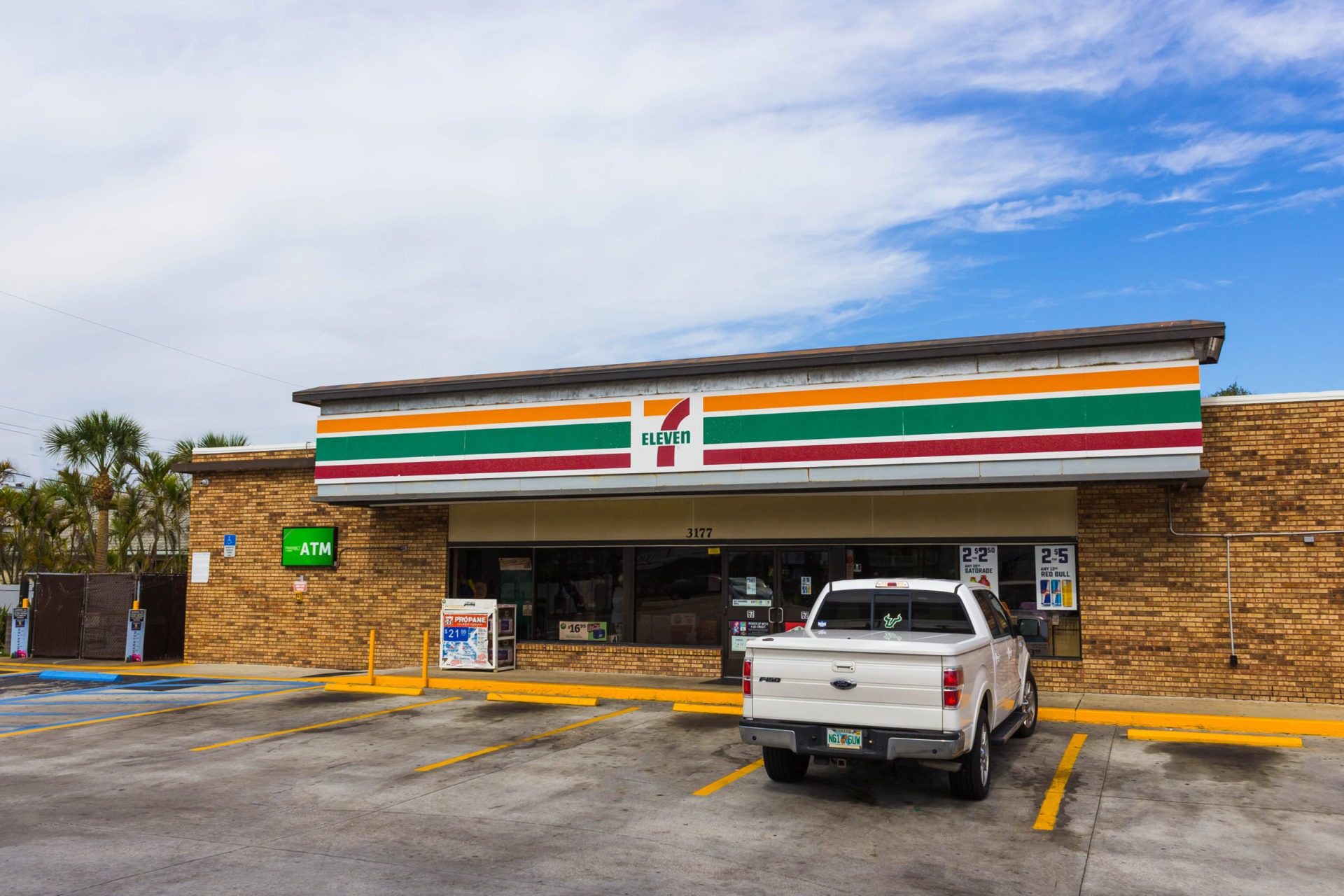
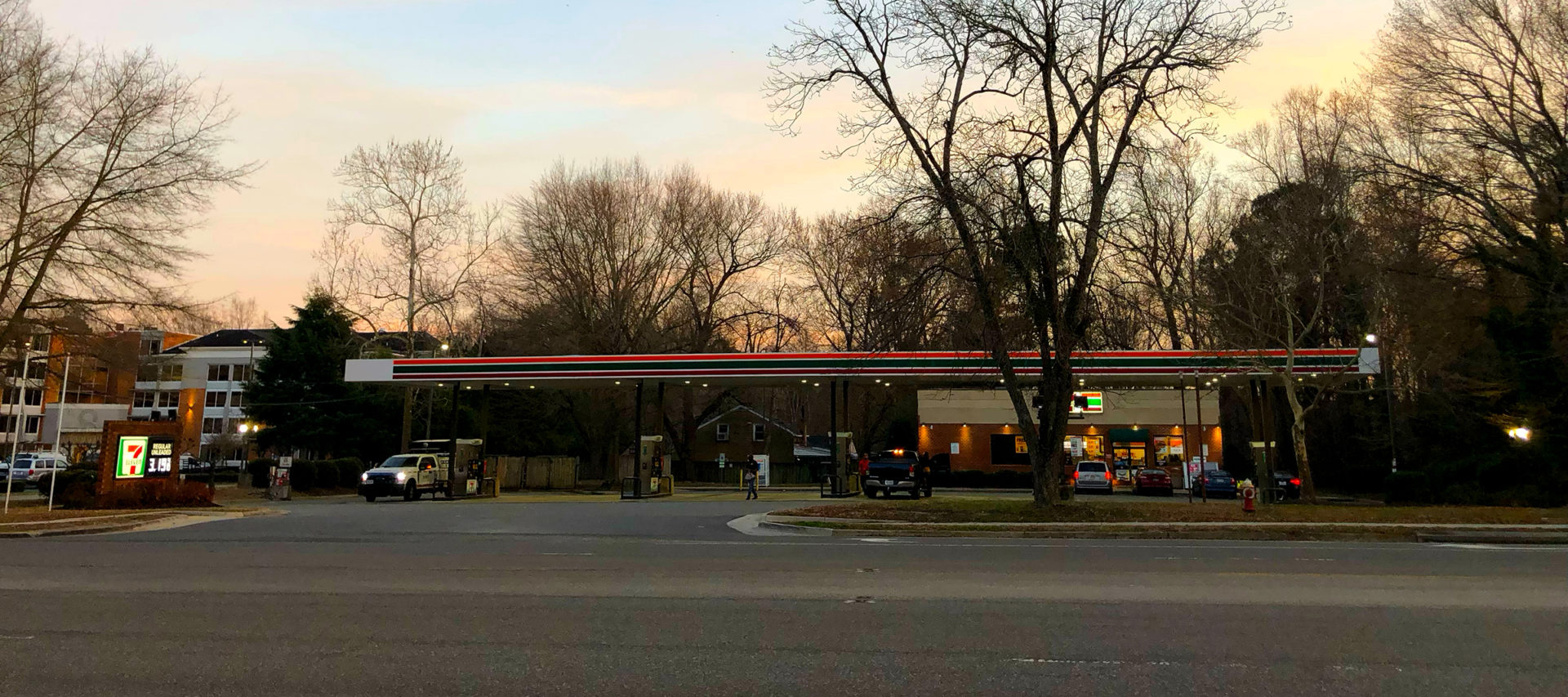
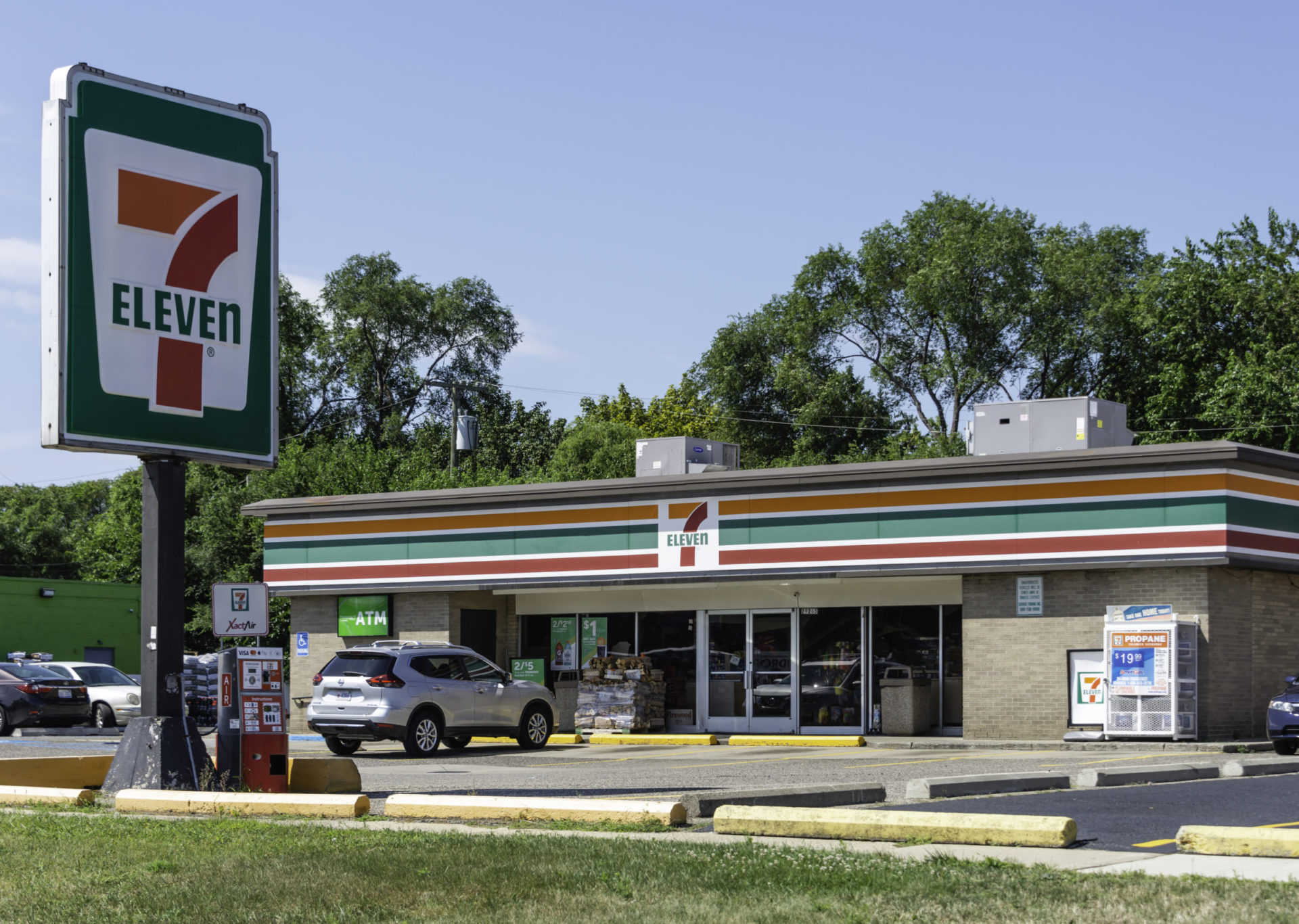
You are probably one of the owners of a specific 7-Eleven located in Williamsburg, Virginia. Looking at it, however, it is painfully obvious that nobody actually cares about it.
The Anatomy of a "Soul-Crushing" District
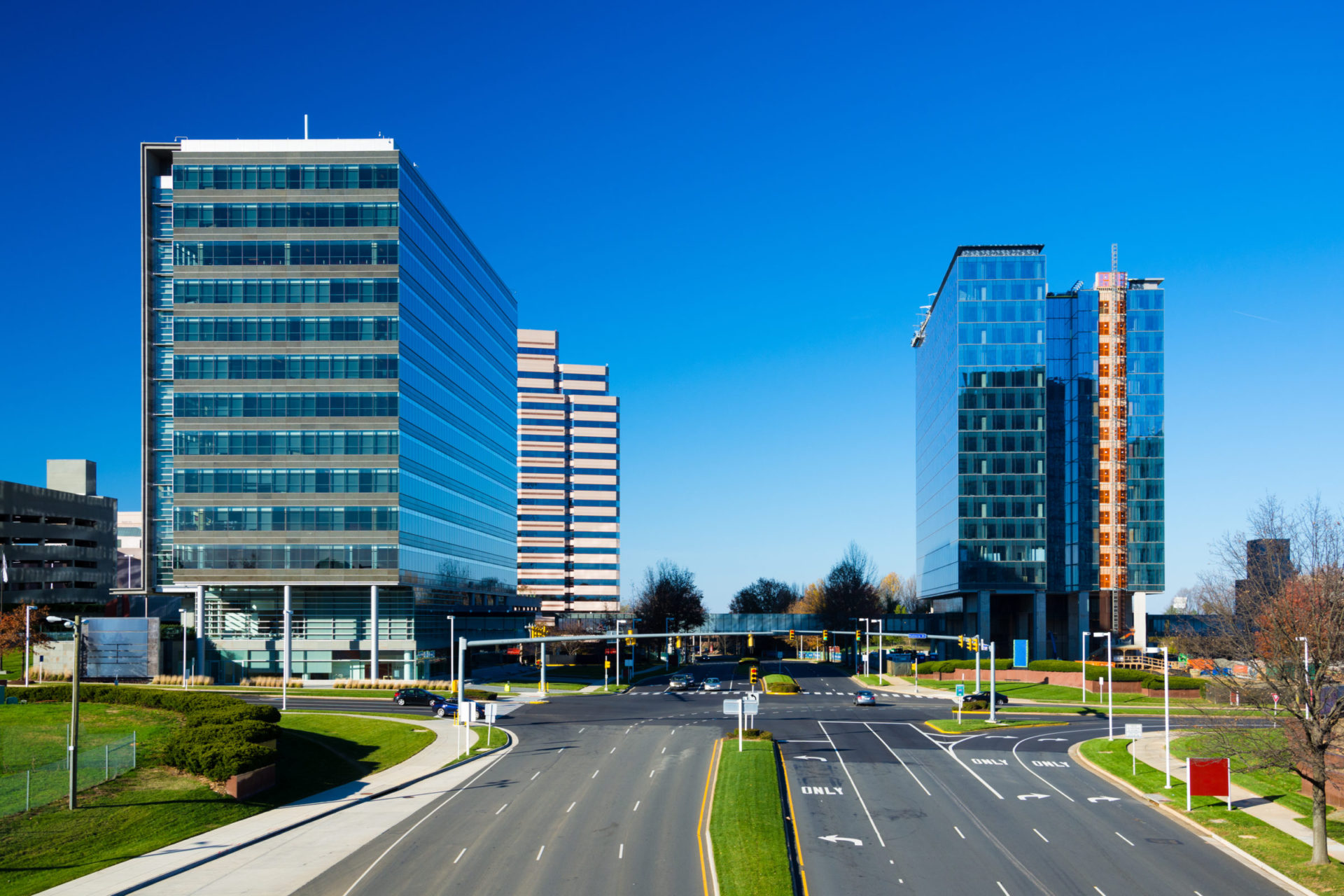
This particular convenience store is situated on what urbanists call a stroad—a hybrid of a street and a road. It isn't a highway, yet it lacks the pedestrian-friendly qualities of a true street. Consequently, almost no one ever walks to or from this location.
The surrounding environment is a study in generic architecture:
- Chain Hotels: Accessible only by car; entirely devoid of character.
- Financial Services: A nondescript bank branch.
- Retail: A weed dispensary.
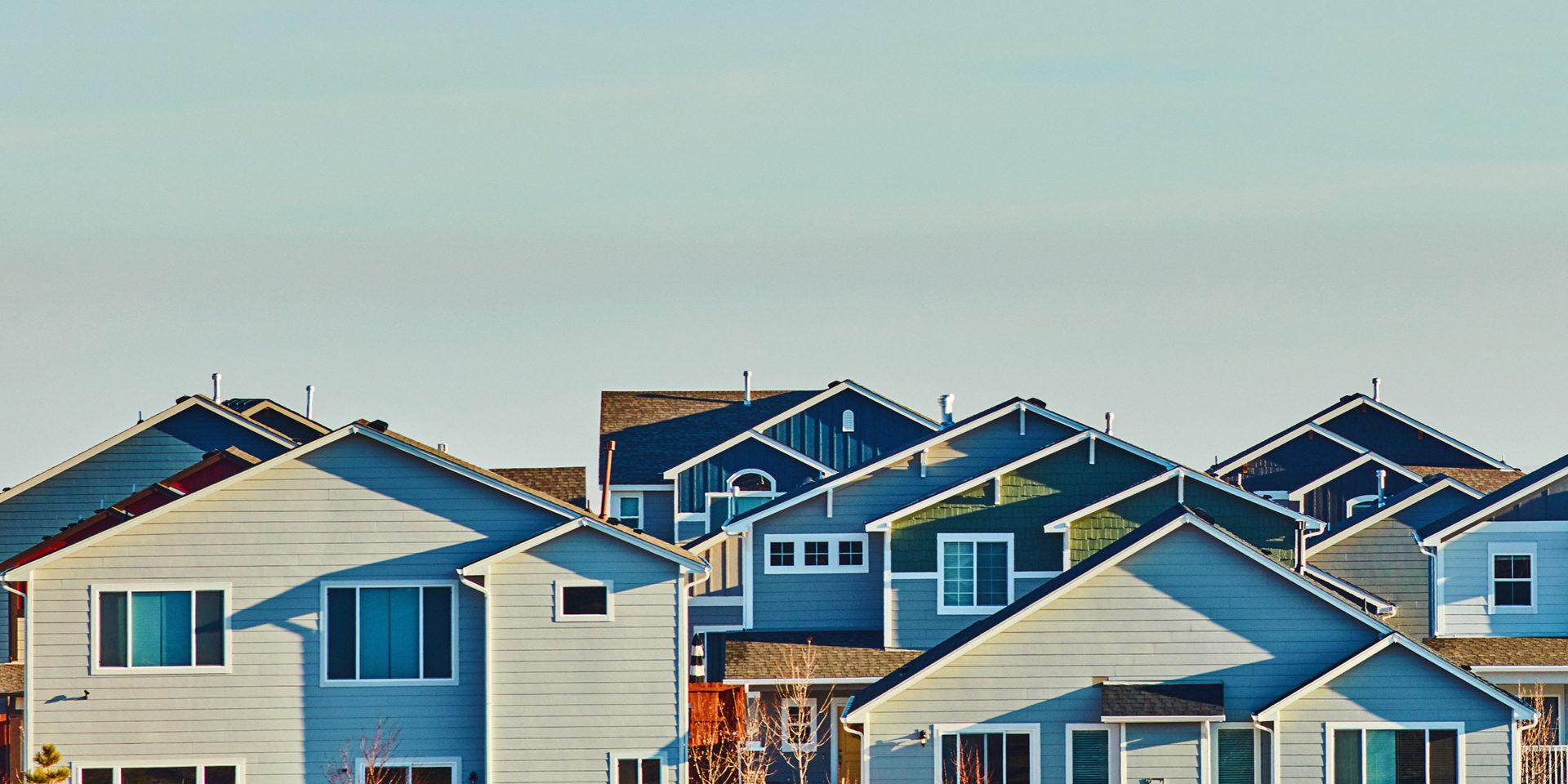
- Residential: A bland single-family housing subdivision tucked behind the store.
The Invisible Chain of Ownership
You might wonder how you "own" a store in Virginia if you've never been there. The answer lies in the financialization of real estate. This property isn't owned by the 7-Eleven corporation or a local businessman; it is owned by a Real Estate Investment Trust (REIT).
A REIT is a financial vehicle that allows massive groups of people to invest in property without needing to manage the actual bricks and mortar. In this case, the trust is Agree Realty Corporation. Their portfolio is vast and geographically scattered:
| Property Type | Location |
|---|---|
| Dialysis Center | Hilo, Hawaii |
| PetSmart | Port Arthur, Texas |
| Grocery Store | Augusta, Maine |
| 7-Eleven | Williamsburg, Virginia |
| ~3,000 others | Across all 50 states |
The Financial Flow
The ownership doesn't stop at the REIT. Agree Realty Corporation is roughly 12.5% owned by Vanguard. Vanguard manages trillions of dollars through diversified funds, which are in turn bought into by millions of everyday people via 401(k)s and standard savings accounts.
If you have a retirement plan, you likely hold a fractional share of that specific 7-Eleven. While this is a win for place-making marketability, it is a disaster for the neighborhood's character.
The Cost of Commodification
The fundamental issue is the distance—both physical and emotional—between the landowner and the land. When ownership is abstracted into a ticker symbol, the environment becomes a commodity.
“That enormous amount of separation leads to tons of qualitative issues and really leads to a lot of commodification,” explains Ward Davis, a founding partner of an Arkansas-based traditional development firm.
The current system uses tax laws and regulations to ensure real estate is liquid (easily bought and sold). This has created a powerful economic engine:
- For Investors: People from Los Angeles to Dubai can easily finance American infrastructure.
- For Builders: There is a massive, accessible pool of capital for new projects.
However, this efficiency comes at a price. The beauty of a place is maintained by those who inhabit it. An absentee owner who never visits the site cannot appreciate the nuances that make a neighborhood feel alive.
The Stewardship Equation
We can think of the relationship between ownership and beauty as:
As the distance increases, the "charm" tends toward zero.
A Contrast in Ownership: The "Downton" Model
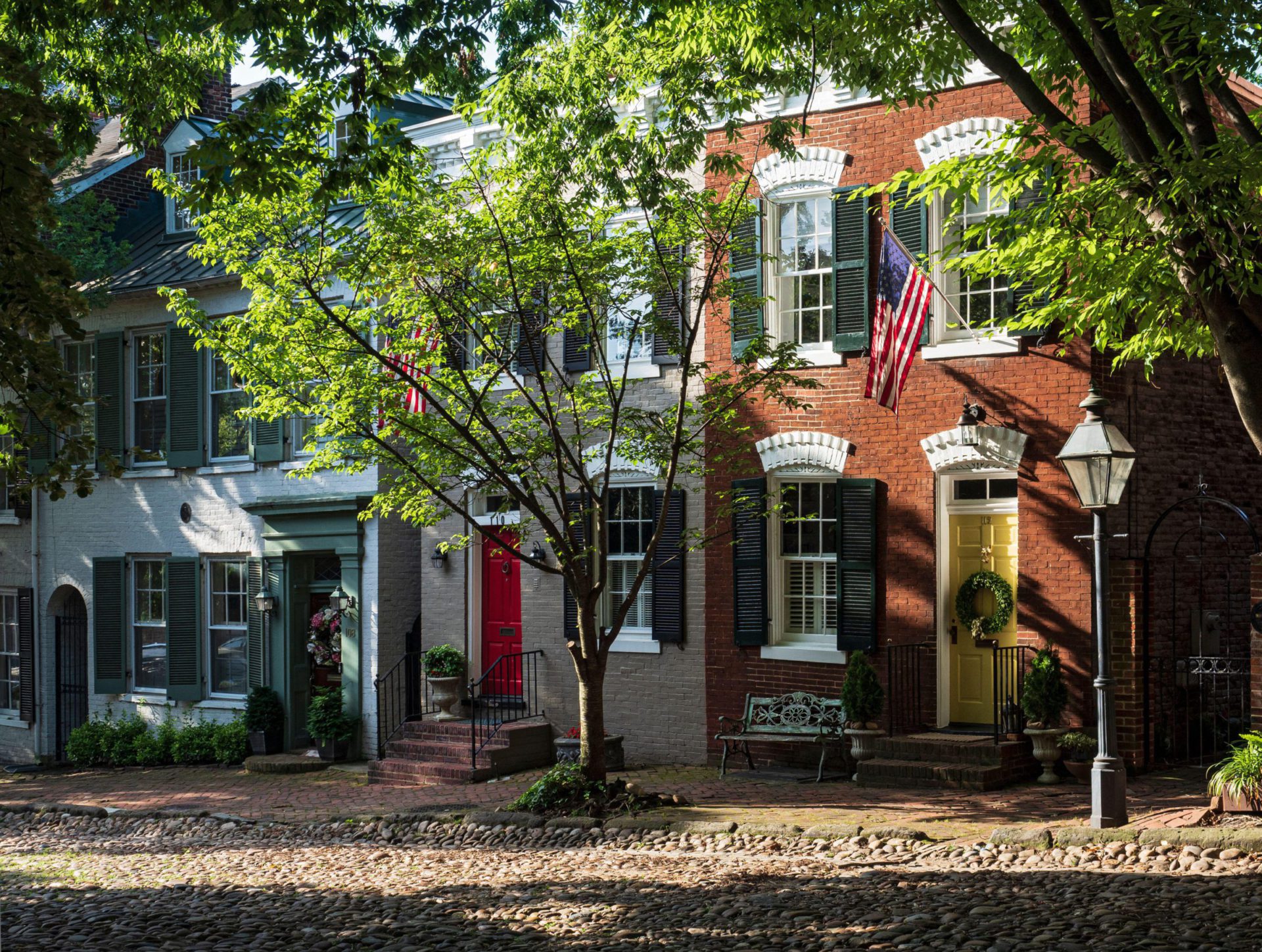
To understand what we've lost, look at the traditional British village, as seen in Downton Abbey. The drama of that show centers on the struggle over who will inherit the estate. This was governed by fee tail, a medieval legal system ensuring land stayed within a family and passed to a male heir.
Under this system, the relationship between the owner and the land was intimate and permanent. The nobility had a vested interest in the village's aesthetics because it was their family legacy. This resulted in the classic English layout:
- Church
- Post Office
- Local Pubs
- Market
- Walkable proximity to the Manor
Of course, this system had flaws. It was nearly impossible to sell the land, and because the land couldn't be used as collateral, financing improvements was difficult.
Summary: Liquidity vs. Loveliness
Modern zoning and environmental laws have successfully turned our built environment into a financial product. We have traded the "soul" of our neighborhoods for the ability to trade real estate like stocks.
def evaluate_neighborhood(ownership_type):
    if ownership_type == "local_resident":
        return "Charming, stewarded, unique"
    elif ownership_type == "REIT_investor":
        return "Nondescript, commodified, sad"
While the current system provides immense financial flexibility, it leaves us living in a world of "stroads" and generic storefronts—places owned by everyone, but cherished by no one.