I turned my security cameras into an automatic bird identification system
Transforming Security Cameras into an Automated Bird ID System
By Jason Tucker | June 4, 2026 | homelab selfhosting docker AI diy
My wife has a passion for listening to birds and identifying them via mobile apps. To level up this experience, I decided to automate the process. I discovered BirdNet-Go, a tool that can be deployed via Docker to turn existing outdoor security cameras into a real-time avian identification network.
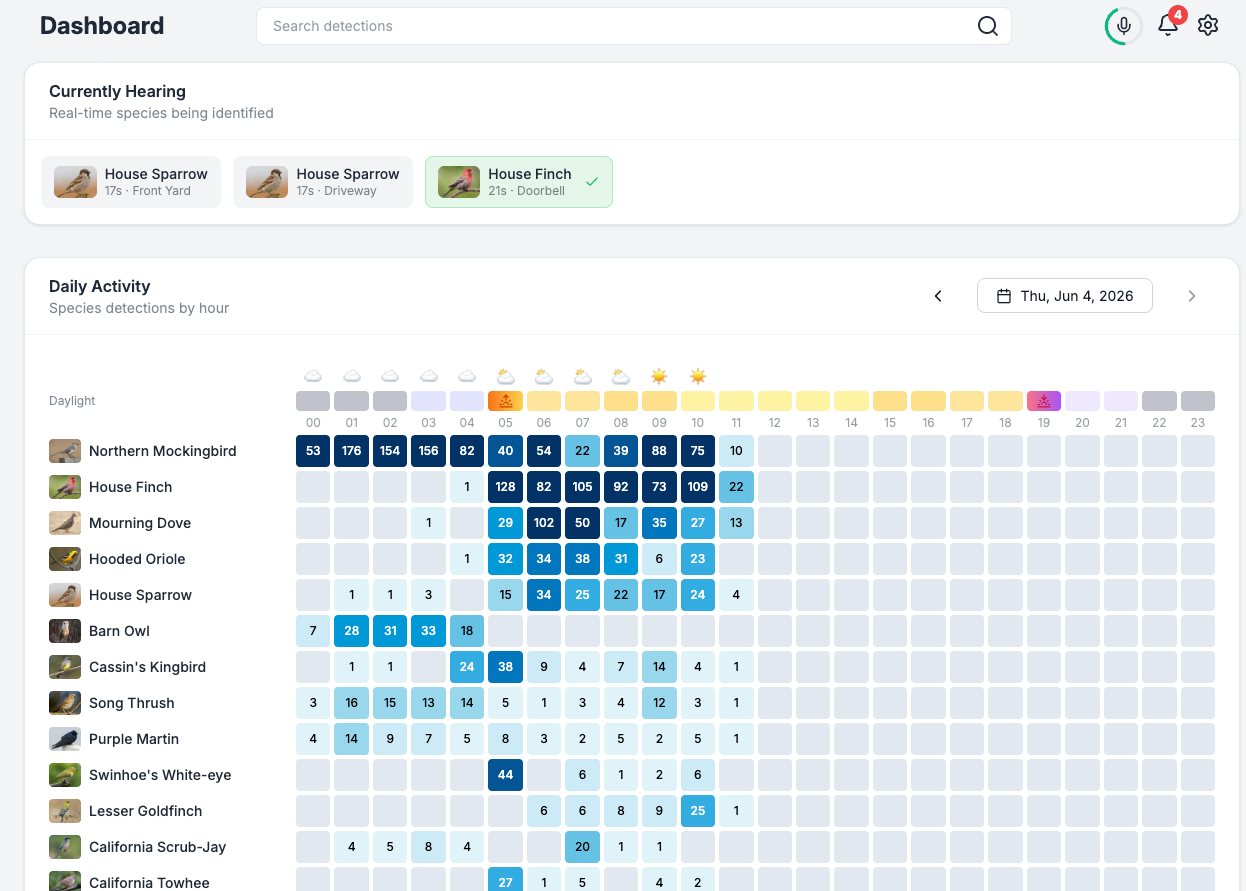
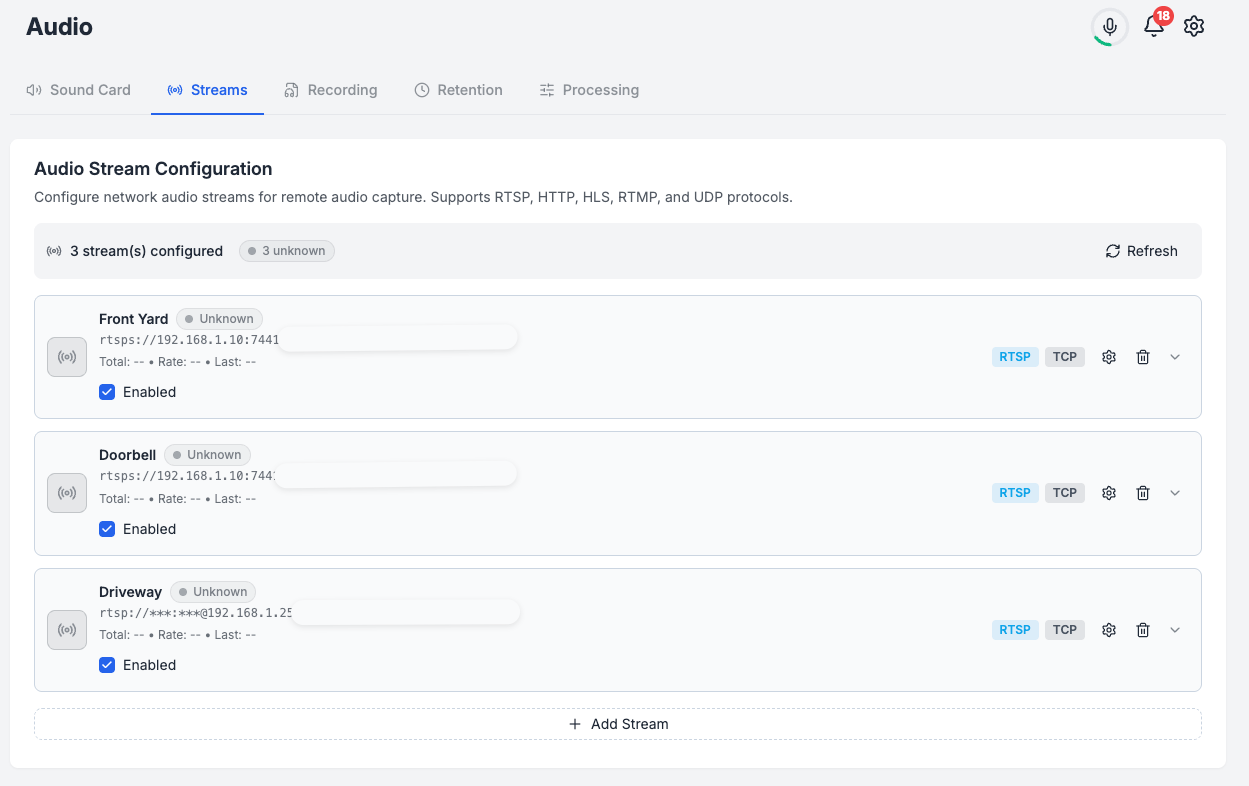
By leveraging the microphones on three of my home cameras, I created a system that analyzes audio the moment a bird sings and provides an instant identification. Interestingly, the system is also capable of detecting bats during the twilight hours.
🛠️ System Architecture
The system operates as a local AI inference engine, ensuring that data remains private and costs stay at zero.
🚀 Key Features & Capabilities
🧠 Local AI Inference
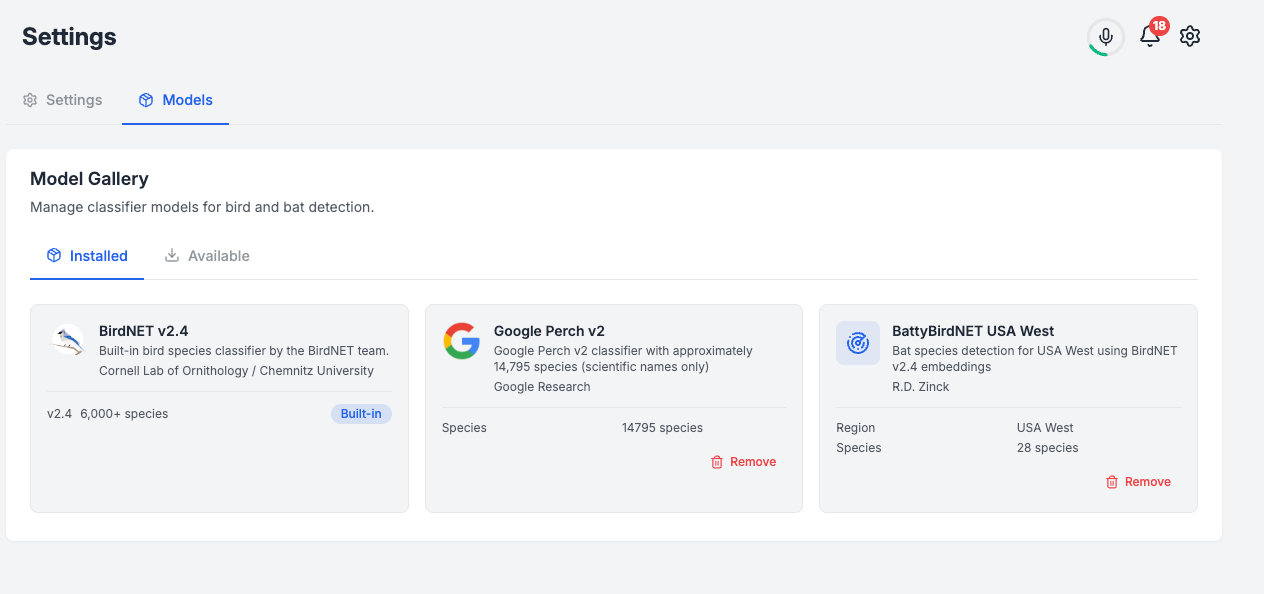
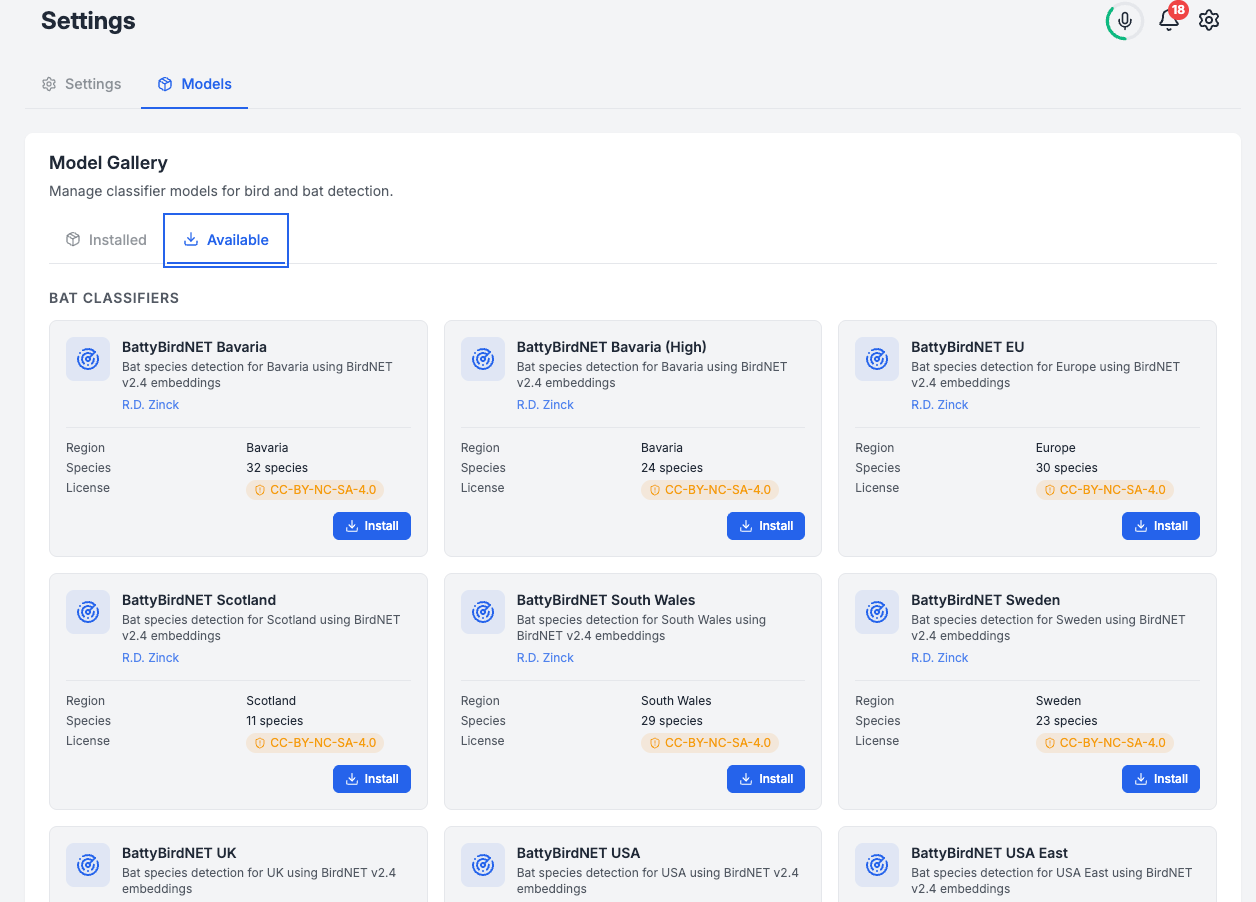
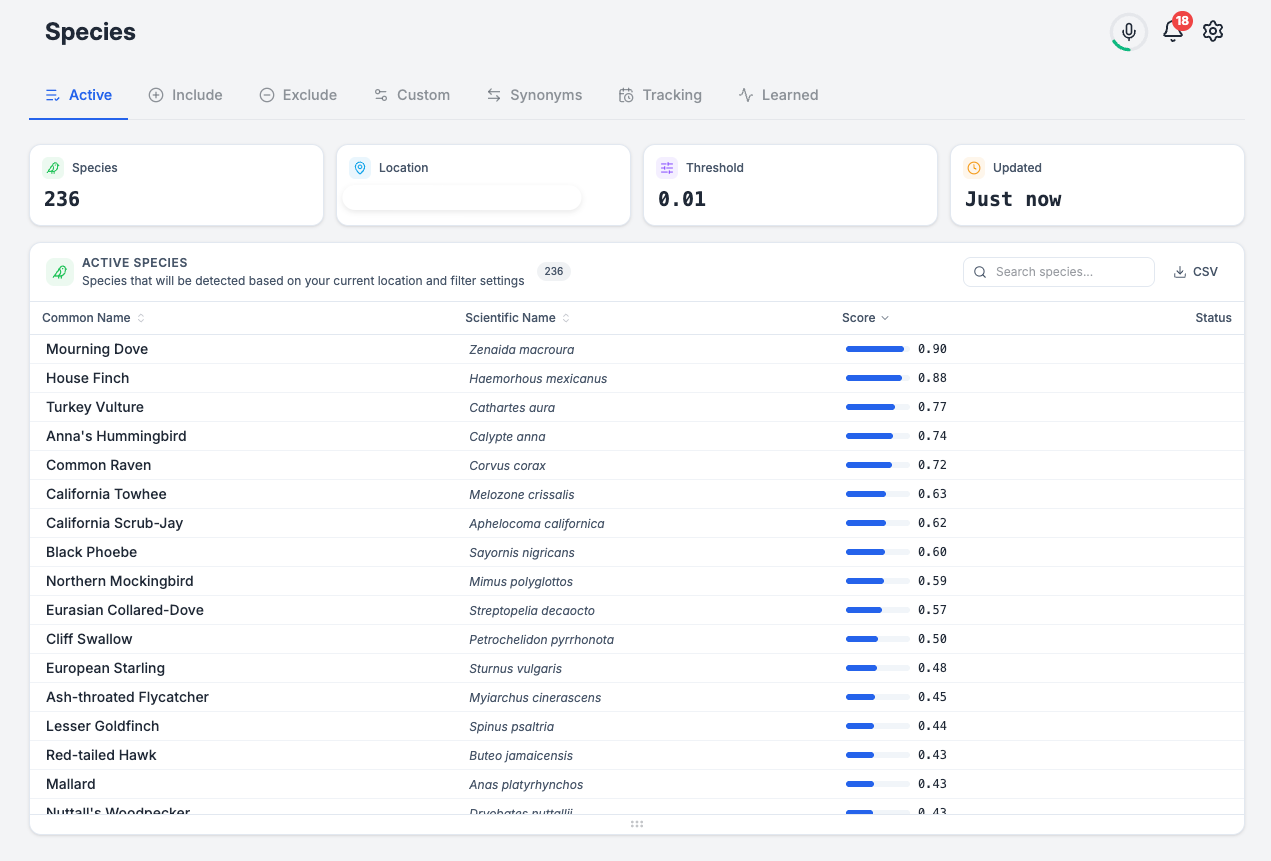
Everything runs on my own hardware. This eliminates monthly subscriptions and ensures high-speed processing. I can deploy multiple models depending on the region or the specific detection strategy I prefer.
Model Comparison:
| Model | Species Detected | Note |
|---|---|---|
| BirdNET 2.4 | Standard baseline | |
| Google Perch v2 | Expanded gallery |
🔔 Smart Alerts & Integration
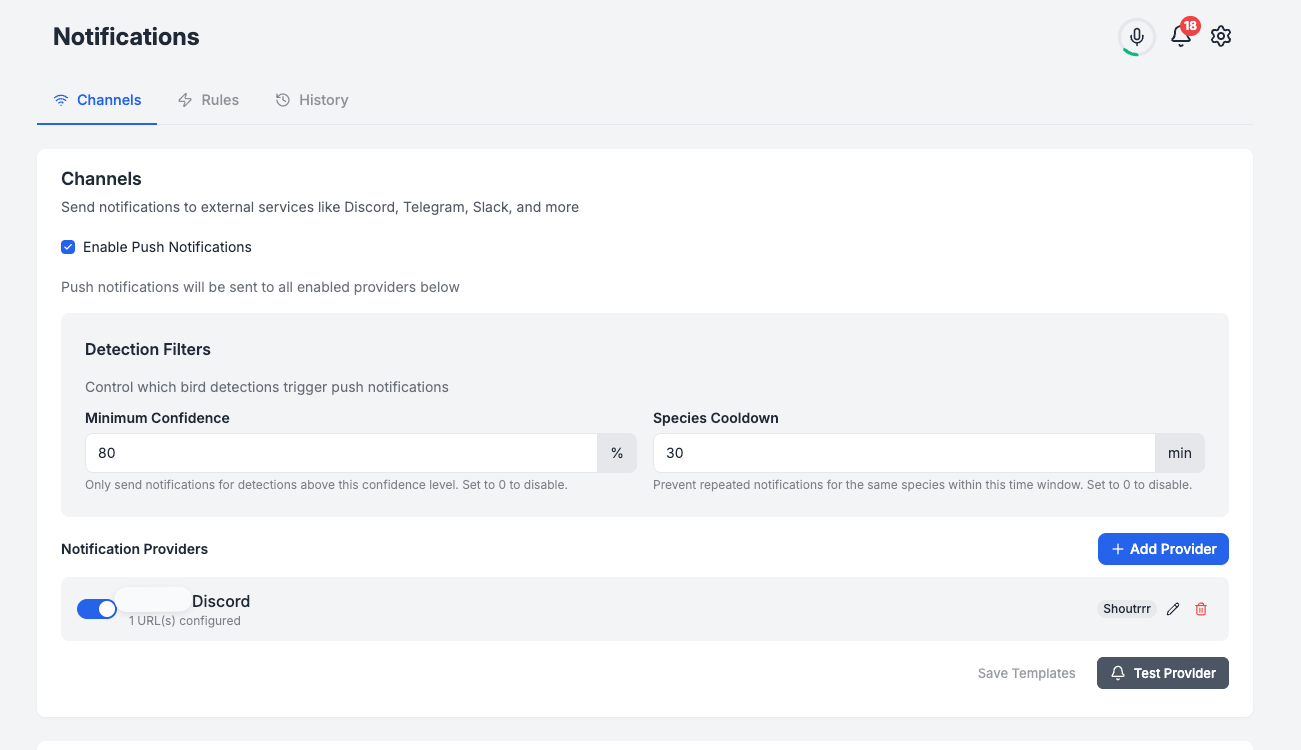
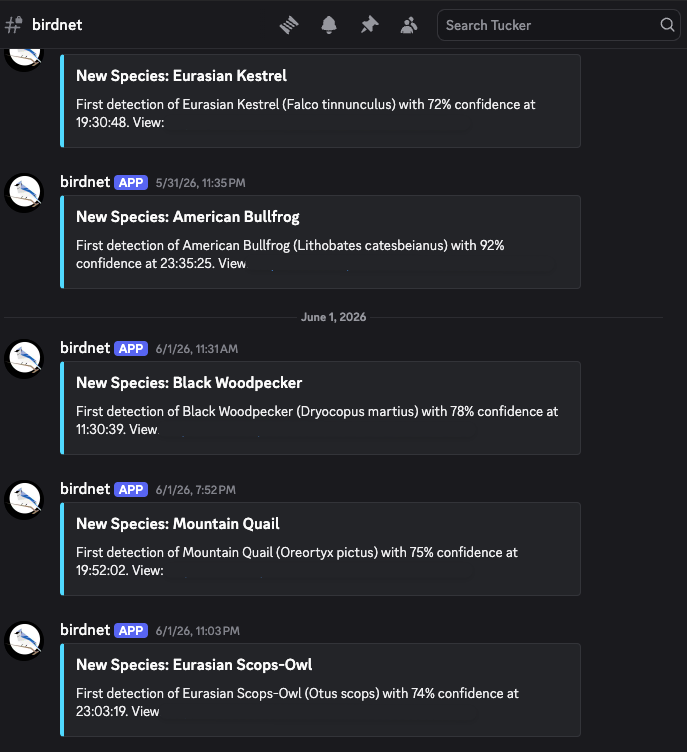
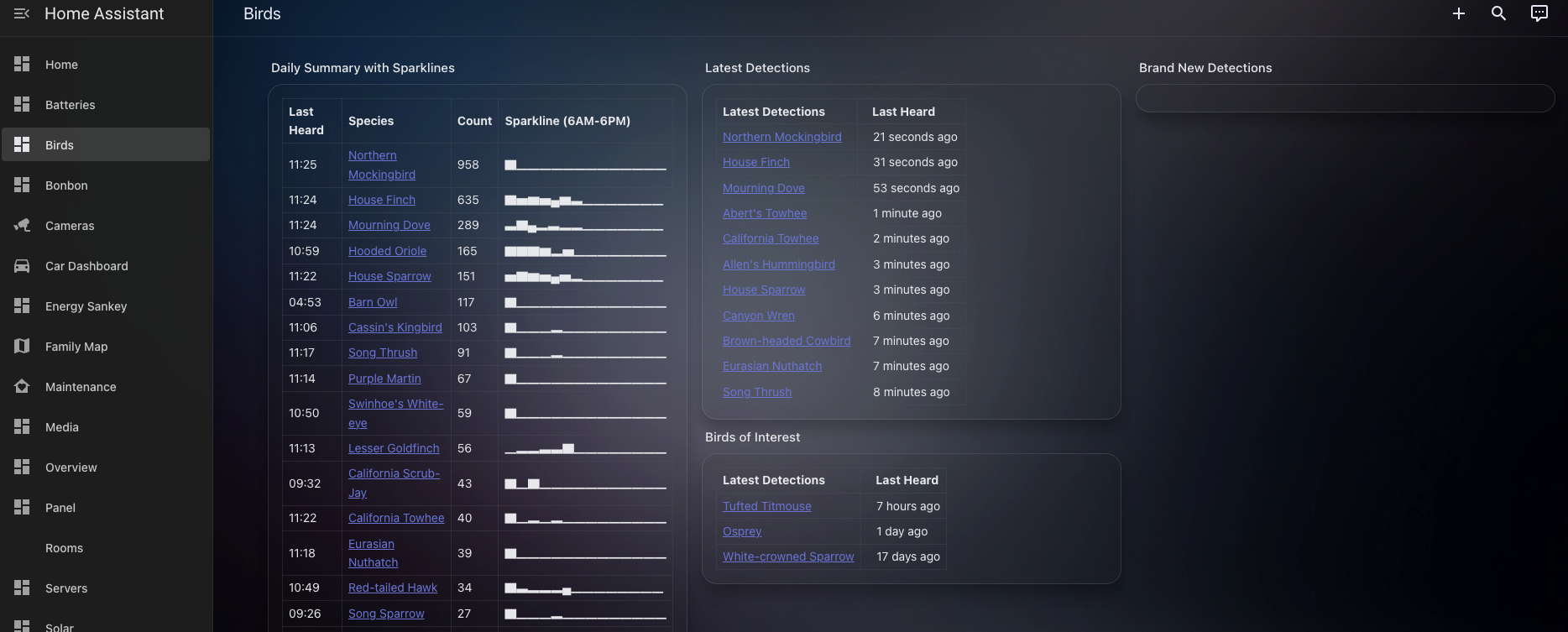
I've configured specific rules to match against species lists. When a target bird is identified, the system triggers a notification.
- Discord: Integrated into my home server's
#birdnetchannel. - Home Assistant: Discovered via
MQTTfor full smart-home synergy.
📈 Biodiversity Tracking
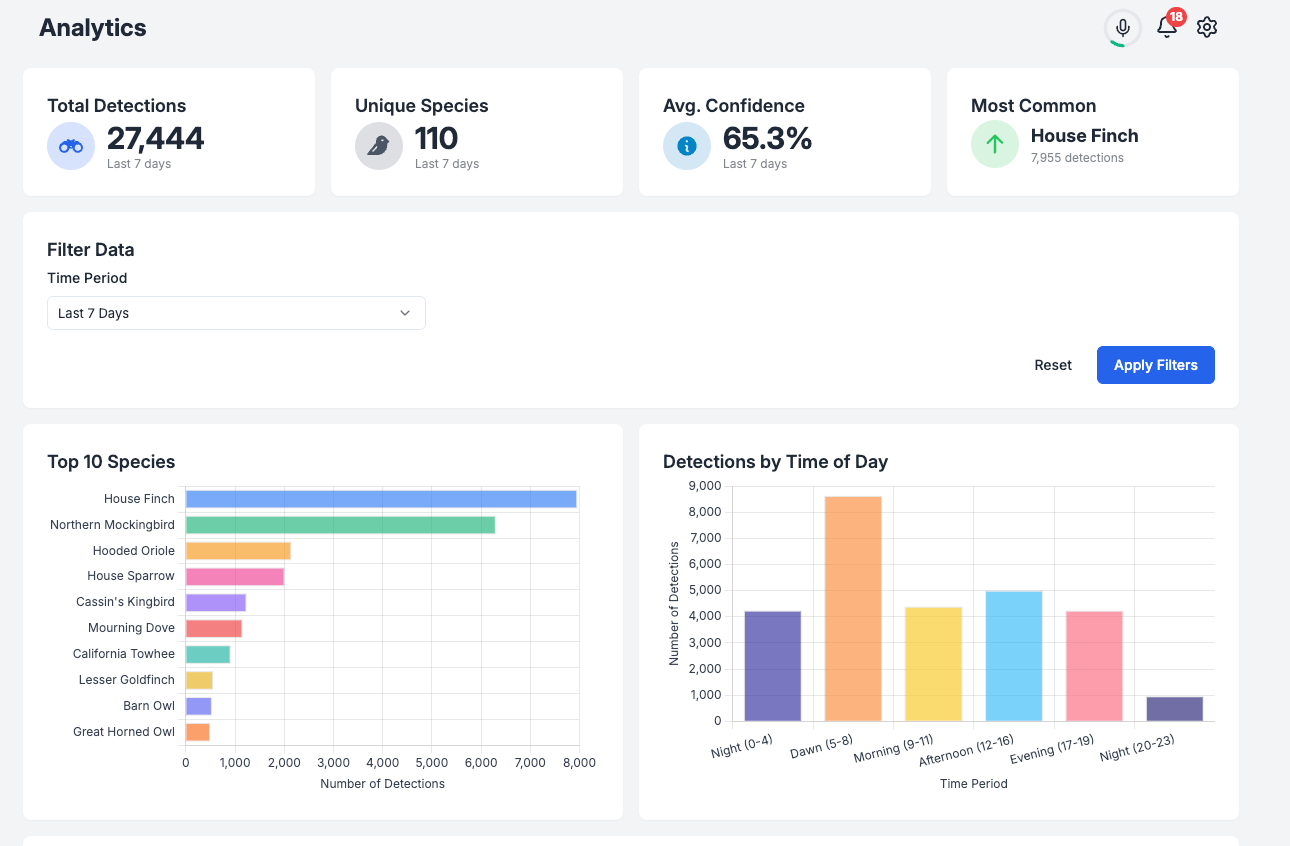
The "Species Novelty Tracking" feature is particularly rewarding. It maintains a historical log of every unique species detected, allowing us to watch the biodiversity of our yard grow over time.
🌐 Connectivity & Sharing
- RTSP Support: As long as your IP cameras support
RTSP, they can pull double duty as bird monitors. - BirdWeather: An optional integration for those who wish to contribute their local data to a global community of researchers.
⚙️ Implementation Checklist
- Install
Dockeron homelab server - Configure
RTSPstreams from 3 security cameras - Deploy BirdNet-Go container
- Set up
MQTTbridge to Home Assistant - Create Discord Webhook for alerts
- Optimize camera placement to reduce wind noise
🎧 Fine-Tuning the Audio
The interface provides a visual analysis of audio channel energy levels. This is crucial for troubleshooting; for instance, I discovered one camera was picking up too much noise from an AC unit, which required a physical repositioning.
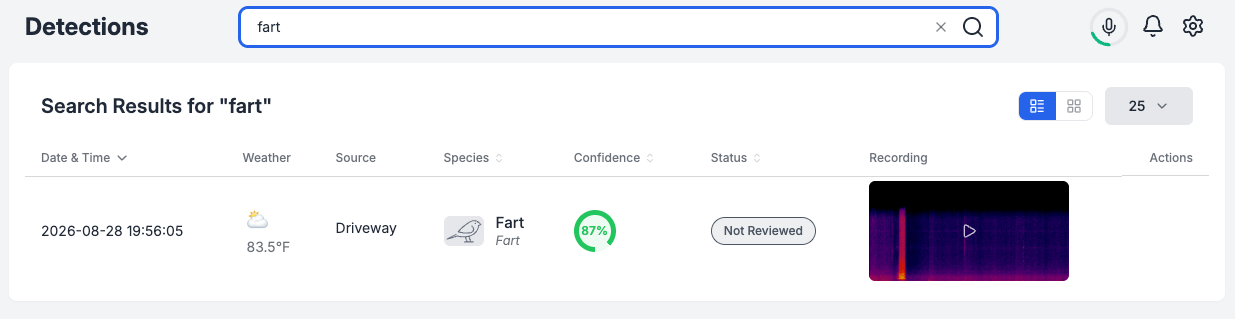
The "Unexpected" Detection: A few nights ago, Home Assistant sent me a notification that a fart had been detected in the driveway. It turns out my neighbor, during his nightly stroll, let one rip right as he passed my house. The AI was... very attentive.
🏁 Final Thoughts
I initially assumed I would get bored of this after a week. Instead, it became a hit. I even exposed the interface via a public domain (secured by Cloudflare) so my friends could check out the sightings.
This project transformed my security setup from a passive surveillance system into a genuinely useful tool that enhances our daily lives. If you have microphones on your cameras and a curiosity about nature, I highly recommend giving it a try.
🔗 Resources
For those interested in the technical side, check out the source:
GitHub: tphakala/birdnet-go — Self-hosted realtime soundscape analyser for birds, bats and other wildlife.
# Example conceptual deployment
docker run -d --name birdnet-go \
  -p 8080:8080 \
  -v /config:/config \
  tphakala/birdnet-go:nightly-20260601
🖼️ Project Gallery