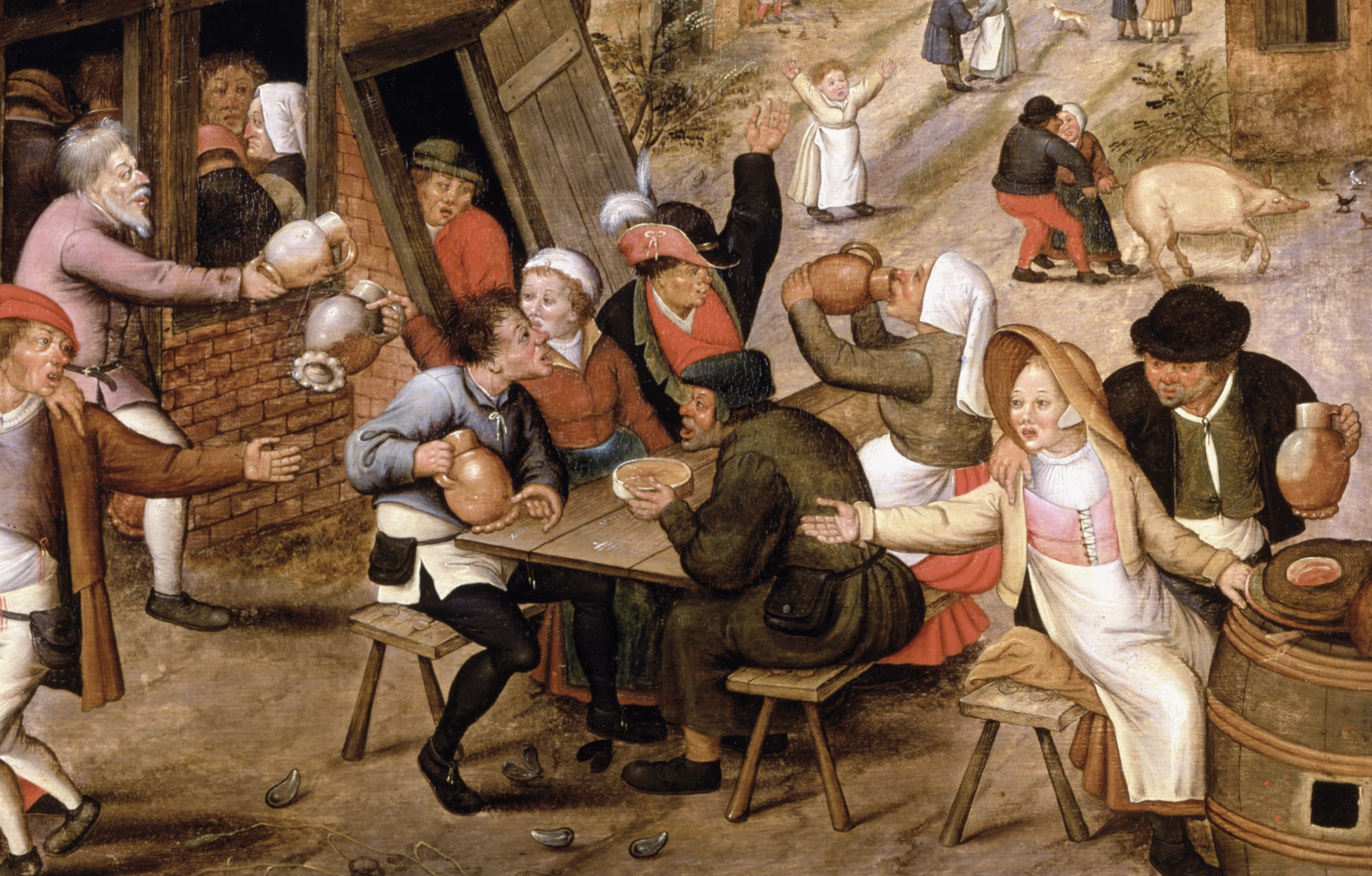
Fish bad, sugar good and other medieval ideas about food
Fish Bad, Sugar Good... And Other Medieval Ideas About Food
By Katherine Harvey (via Reaktion Books)
While the culinary philosophies of the Middle Ages may seem alien to us today, the era placed an immense premium on the relationship between diet and wellness.
"Food is probably the most important of all medical subjects." — Galen
In the medieval period, medical "regimens" were essentially comprehensive guides focusing on the properties of various foods and how they influenced the human organism.
The Science of Humors
To maintain health, one had to understand the qualities of what they consumed. These were measured on two primary axes:
- Temperature: Hot vs. Cold
- Moisture: Wet vs. Dry
The goal was to balance these elements, as the wrong combination could lead to disease. This can be represented as a simple balance:
The Process of Digestion
Medieval medicine viewed digestion not as a chemical breakdown, but as a three-stage transformation akin to cooking or alchemy.
Historically, it was believed that the liver was the engine of blood production. The liver constantly generated new blood, meaning that a person was, quite literally, constructed from the food they ate. This remained the dominant view until William Harvey (1578–1657) proved that blood actually circulates.
The Medieval Pantry: A Breakdown
Grains and Cereals
Processed cereals, specifically bread and pottage, formed the backbone of the diet. However, the type of grain was a marker of both class and health.
| Grain | Social Class | Perceived Effect |
|---|---|---|
| Wheat | Wealthy | High quality, leavened, healthy |
| Barley | Poor | Cold and causes flatulence |
| Rye | Poor | Produces weak blood and low energy |
Plants and Produce
Medieval people were deeply conflicted about vegetation. While they did eat fruits and vegetables, many were viewed as hazardous.
- The Brassicas (Cabbage, Broccoli, Cauliflower): Essential for peasants, but linked to nightmares and melancholy.
- Lettuce: Considered dangerous due to being excessively
coldandmoist. - Root Vegetables: Turnips and parsnips were thought to trigger lust and gas.
- Legumes:
- Beans Dizziness, confusion, and "bad humours."
- Peas A much safer, more digestible alternative.
The Fruit Debate
Some fruits were praised, while others were feared.
- The Good: Citrus (aided digestion in heat) and raisins (beneficial for the liver, lungs, and stomach).
- The Risky: Apples, cherries, and peaches. These were seen as "cold and moist," potentially creating putrid humours.
Cooking was the primary way to "neutralize" the danger of raw fruit. This medical caution was not always welcomed. When the poet Petrarch was told by his doctor to avoid tree fruits, he was horrified by the "scorn" for things that provided such sensory delight.
Animal Products and Proteins
The medical consensus on animal-based foods was highly nuanced:
- Dairy & Eggs:
- Butter: Warm, moist, and a source of high-quality blood.
- Cheese: Coarse and hard to digest (linked to bladder stones), though a small piece post-meal was thought to aid digestion.
- Eggs: The yolks (warm/moist) were superior to the whites (cold/moist).
- Meats:
- Chicken: The gold standard. Nourishing and easy on the stomach, ideal for the sick or the rich.
- Pheasant/Quail: Generally good, though quail were suspect because they might eat poisonous
hellebore. - Pork/Lamb/Mutton: Nutritious.
- Beef: Coarse and cheap; deemed only appropriate for those performing heavy manual labor.
- Venison/Duck/Goose: Avoid these; they produce "bad humours."
The Fish Paradox
In a complete reversal of modern health trends, fish was viewed as a significant health risk. Because it is cold and wet, it was believed to generate excessive phlegm.
Despite this, fish remained a staple due to:
- Religious fasting requirements
- Affordability
- General taste
To mitigate the risks, medical experts recommended specific preparation methods:
def prepare_fish(method):
    if method == "boiled":
        return "High risk: Too cold and wet"
    elif method in ["roasted", "fried"]:
        return "Safe: Heat and oil neutralize the cold/wet qualities"