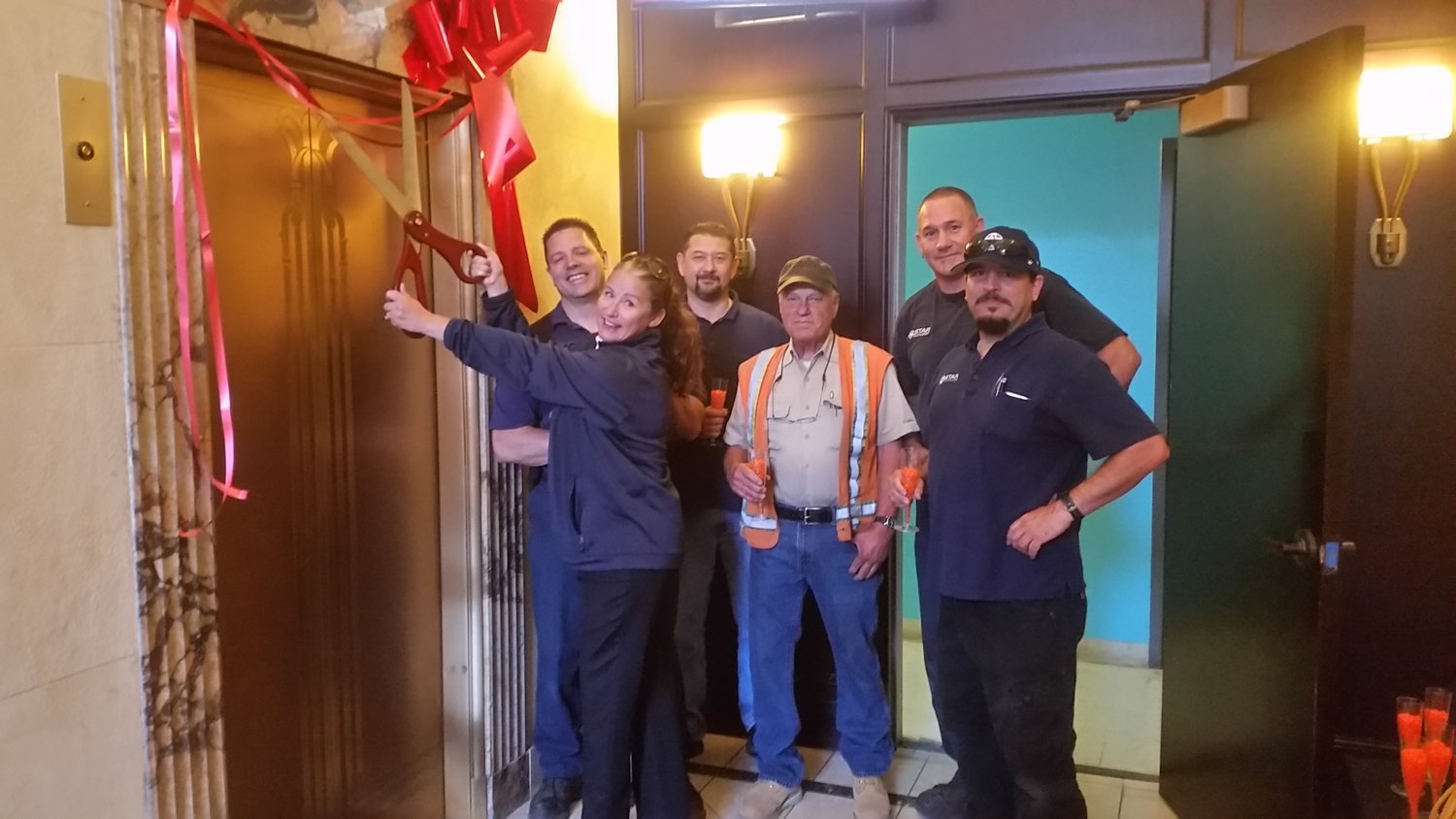
Elevator of the Year Winner Modernization of the Metropolis Trust Building
🏆 Award-Winning Modernization: The Metropolis Trust Building
Star Elevator has been honored with the Elevator World Project of the Year award for its masterful modernization of the vertical transportation system at the Metropolis Trust Building.
🏛️ Project Overview
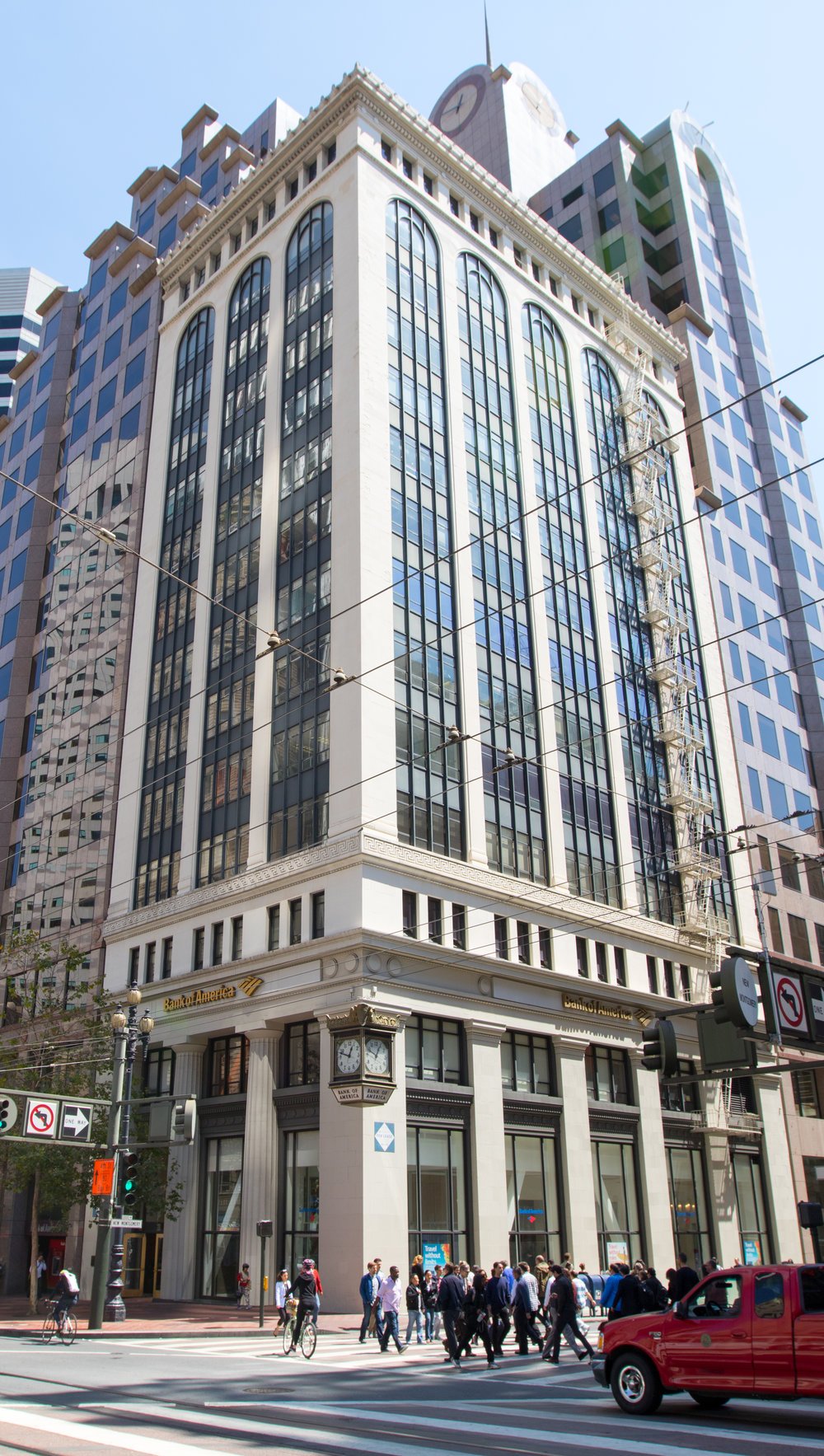
Located at 625 Market Street in the heart of San Francisco, this structure is a Category 1 Historic Landmark. Its origins date back to early 1907, constructed as the city rose from the devastation of the Great 1906 Earthquake.
"The building stands as a testament to San Francisco's resilience, yet its internal machinery remained frozen in the early 20th century."
📋 Project Specifications
| Detail | Information |
|---|---|
| Location | San Francisco, CA |
| Year Built | 1907 |
| Building Status | Category 1 Historic Landmark |
| Primary Goal | Convert basement traction to overhead AC gearless |
| Lead Consultant | Rich Blaska (RCB Elevator Consulting, LLC) |
| Technical Sketching | John Sellen (JE Sellen Consulting) |
⚠️ The Challenge: A Century of Complexity
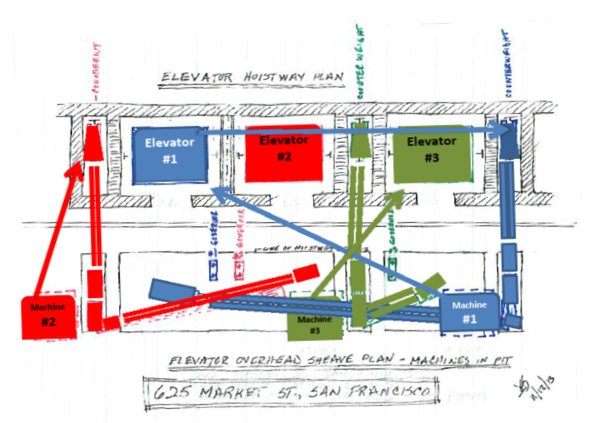
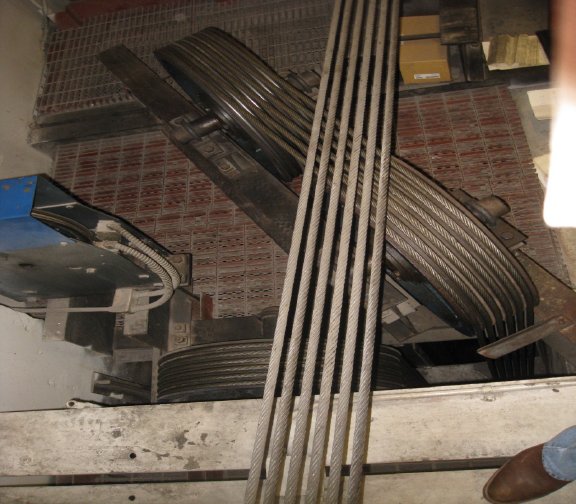
The project team faced a daunting task: untangling a "criss-cross" cable design that was as perplexing as it was outdated.
The "Criss-Cross Crisis"
Because the original machines were located beneath the hoistways, the rope leads required a convoluted path. This resulted in:
- Extreme Rope Length: Each car utilized over miles of hoistrope.
- Displaced Counterweights: Counterweights did not share the hoistway with the cars.
- Zero Documentation:
Building blueprints existedNo blueprints were available, forcing the team to rely on expert consulting.
System Failures
The elevators had far exceeded their operational lifespan, leading to:
- Frequent breakdowns due to failing motor commutators and machine bearings.
- The total decommissioning of
Car #1due to safety and reliability risks. - Non-compliance with modern seismic safety codes.
🛠️ The Solution: Re-Engineering History
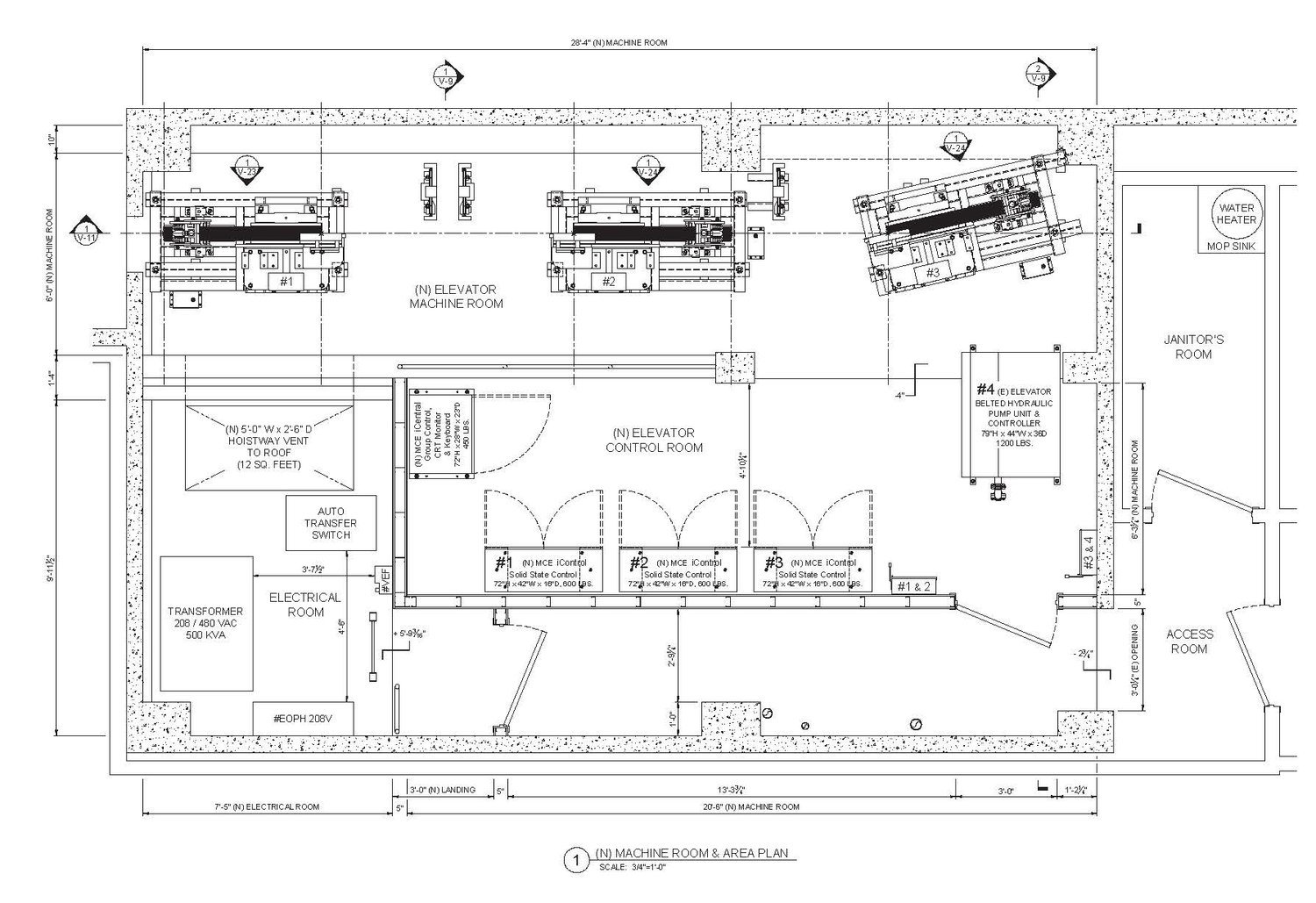
The objective was to replace the obsolete basement system with a modern, energy-efficient, overhead traction variable frequency-controlled AC gearless system.
🏗️ Logistical Nightmares
The building's location on a bustling San Francisco corner made traditional construction impossible:
- No Cranes: Street traffic prohibited crane usage.
- No Loading Dock: There was no service entrance.
- Front Door Access: Every piece of equipment—including 4,000 lb machines and 20-foot steel beams—had to be carried through the main entrance.
⚙️ Execution Strategy
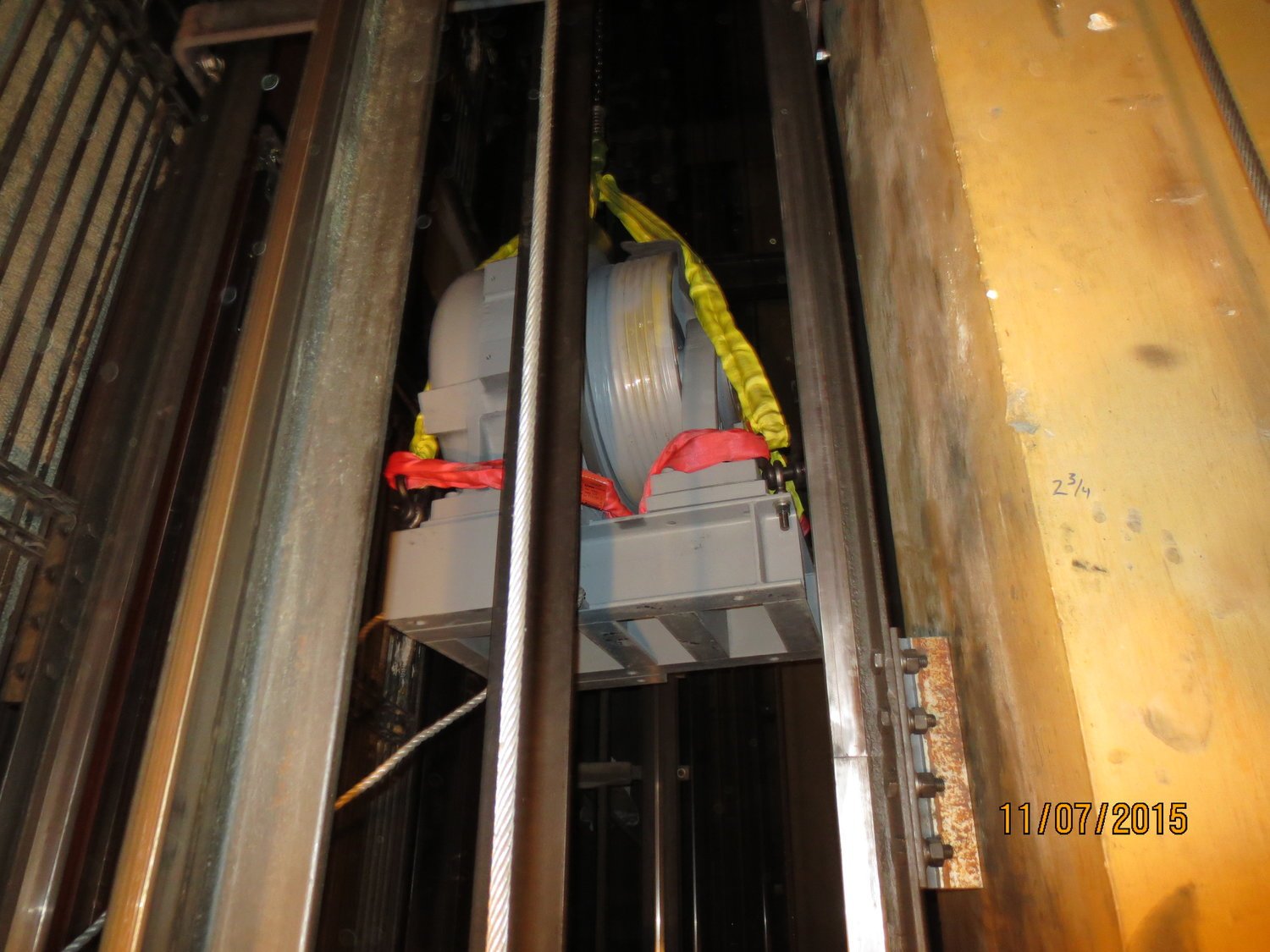
To move the heavy machinery, the team used a creative hoisting method:
- Disassemble the elevator cabs.
- Use the cab frames as platforms to hoist machines up the hoistways.
- Position machines exactly above the deck to ensure the correct traction angle on the drive sheaves.
📝 Modernization Checklist
- Upgrade rail systems to meet current seismic codes.
- Install new signal fixtures and pushbuttons.
- Refresh cab interiors for tenant satisfaction.
- Eliminate three AC/DC converters.
- Implement Variable Frequency Drive (VFD) control.
📈 The Outcome
The transition from a basement-driven system to an overhead configuration has fundamentally changed the building's efficiency.
Technical Improvements
The new system provides a streamlined layout where counterweights and cars share the same hoistway, drastically improving:
- Serviceability: Easier access for maintenance.
- Reliability: Elimination of legacy mechanical failure points.
- Safety: Full compliance with 21st-century standards.
⚡ Energy & Efficiency
The shift to gearless AC machines resulted in a massive reduction in power consumption.
Comparison Table: Old vs. New
| Feature | Legacy System (1907) | Modernized System |
|---|---|---|
| Machine Location | Basement | Overhead |
| Cable Path | Criss-Cross (Complex) | Standard (Direct) |
| Power | AC/DC Converters | Variable Frequency AC |
| Reliability | Low (Car #1 Disabled) | High |
| Energy Use | (Baseline) |
🖼️ Project Gallery
The Metropolis Trust Building Exterior
Original Hoistway Plans & Layouts
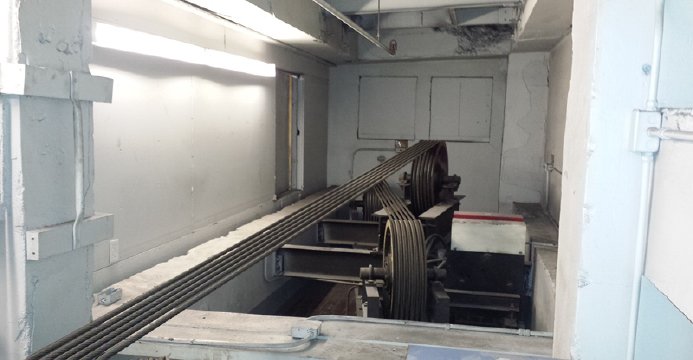
Installation Process
Final Results