IBM Quantum Nighthawk R2
IBM Quantum Nighthawk R2: Accelerating the Path to Fault-Tolerance
Date: August 31, 2026
Authors: Holger Haas, David McKay, Robert Davis
Categories: Systems, Error Correction, Mitigation
🚀 Executive Summary
The IBM Quantum Nighthawk r2 represents a massive leap in circuit throughput, leveraging a novel independent qubit reset mechanism to outperform the Heron processor by a factor of 25x. This system is designed to handle high-volume workloads and complex circuits, marking a pivotal step in the 2026 IBM Quantum Roadmap.
Quick Highlights:
- Throughput: circuits per second.
- Scale: 120 programmable qubits.
- Precision: Accurate execution of circuits with gates.
- Quality: decrease in initialization errors.
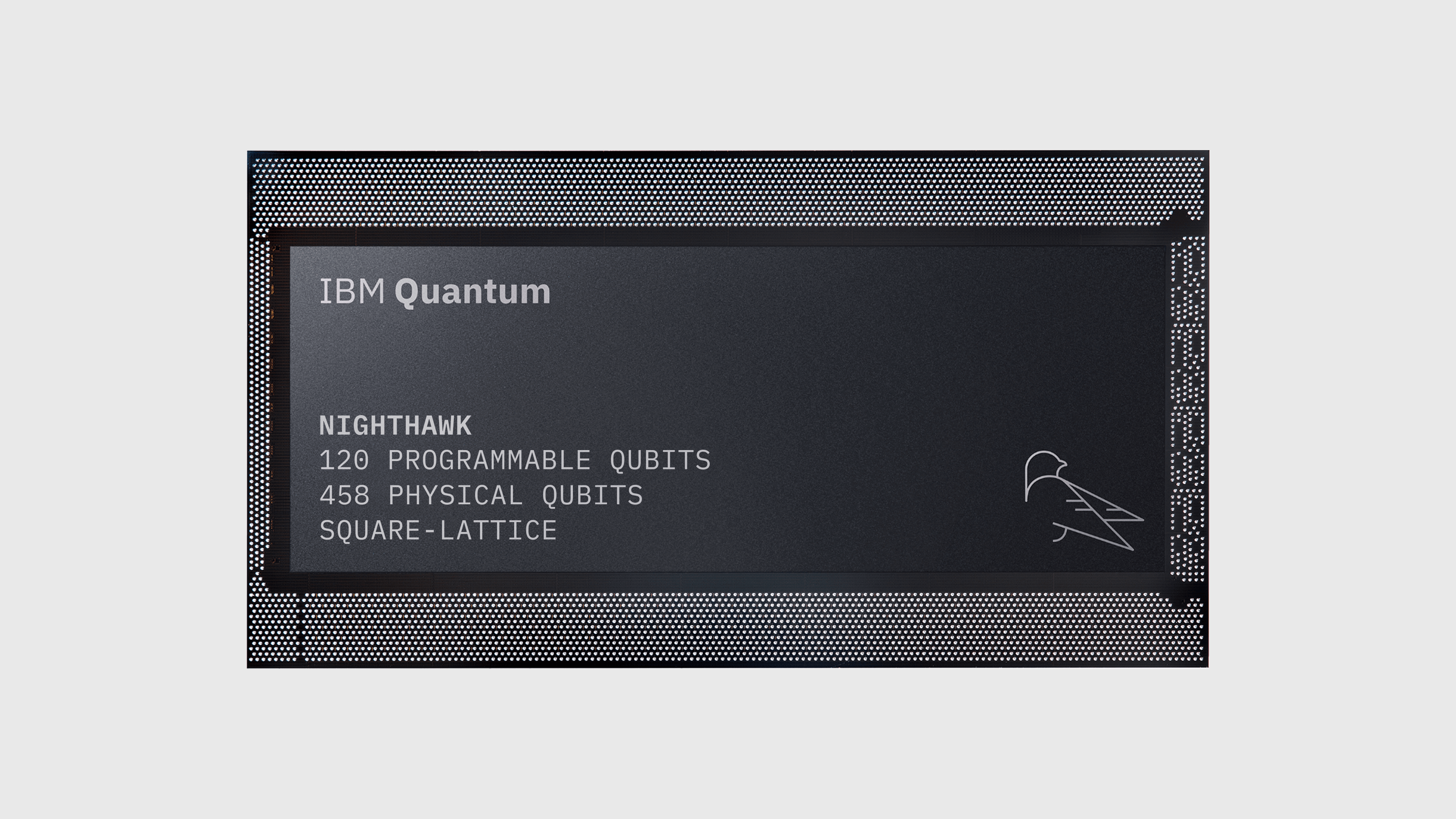
- Architecture: 458 total physical quantum elements.
The Evolution of Quantum Performance
IBM evaluates its hardware based on a triad of metrics: Scale, Quality, and Speed. While Nighthawk r2 maintains the scale of the r1 version and preserves the high gate fidelity of the Heron class, its primary breakthrough is in velocity.
"Nighthawk r2 is the most complex quantum processor IBM has ever deployed in production, integrating a massive array of support elements to maximize computational efficiency."
Solving the Reset Bottleneck
In traditional quantum computing, the "dead time" between circuit executions is a major efficiency killer. Every run must start with qubits in a known ground state.
The Old Method: Conditional Reset
Previously, systems like Heron used conditional reset. The process looked like this:
- Measure the qubit.
- If the state is , apply a -pulse to flip it back to .
- The Problem: This is limited by measurement fidelity and cannot fix "leakage" (qubits leaving the computational subspace), forcing the system to sit idle for hundreds of microseconds.
The New Method: Dissipative Reset Gadgets
Nighthawk r2 introduces a dissipative reset gadget. Each qubit is paired with a high-dynamic-range tunable coupler connected to a cold environment.
The Physics of the Speedup: By activating this coupler, the effective (energy relaxation time) is drastically altered:
This allows the idle time between runs to shrink to as little as .
Hardware Specifications & Comparison
The complexity of Nighthawk r2 stems from the fact that it requires many more physical components than there are programmable qubits.
| Component | Quantity | Purpose |
|---|---|---|
| Programmable Qubits | 120 | User-accessible computation |
| Dedicated Couplers | 218 | Qubit-to-qubit interaction |
| Reset Elements | 120 | Independent, high-speed cooling |
| Total Physical Elements | 458 | Overall system complexity |
Performance Comparison:
- IBM Quantum Heron: circuits/sec
- IBM Quantum Nighthawk r2: circuits/sec 25x Increase
Quality and Roadmap Milestones
Speed is irrelevant if the results are noisy. Nighthawk r2 ensures that the rapid reset does not disturb neighboring qubits (neighbor-safe operation). In fact, because the dissipative reset actively cools the qubit, the initialization error is reduced by roughly 25x.
Impact on Research
This architecture is specifically tailored for:
- Quantum Error Correction (QEC): Utilizing mid-circuit resets and dynamic circuits.
- Fault-Tolerant Research: Enabling the high-repetition rates needed for stability tests.
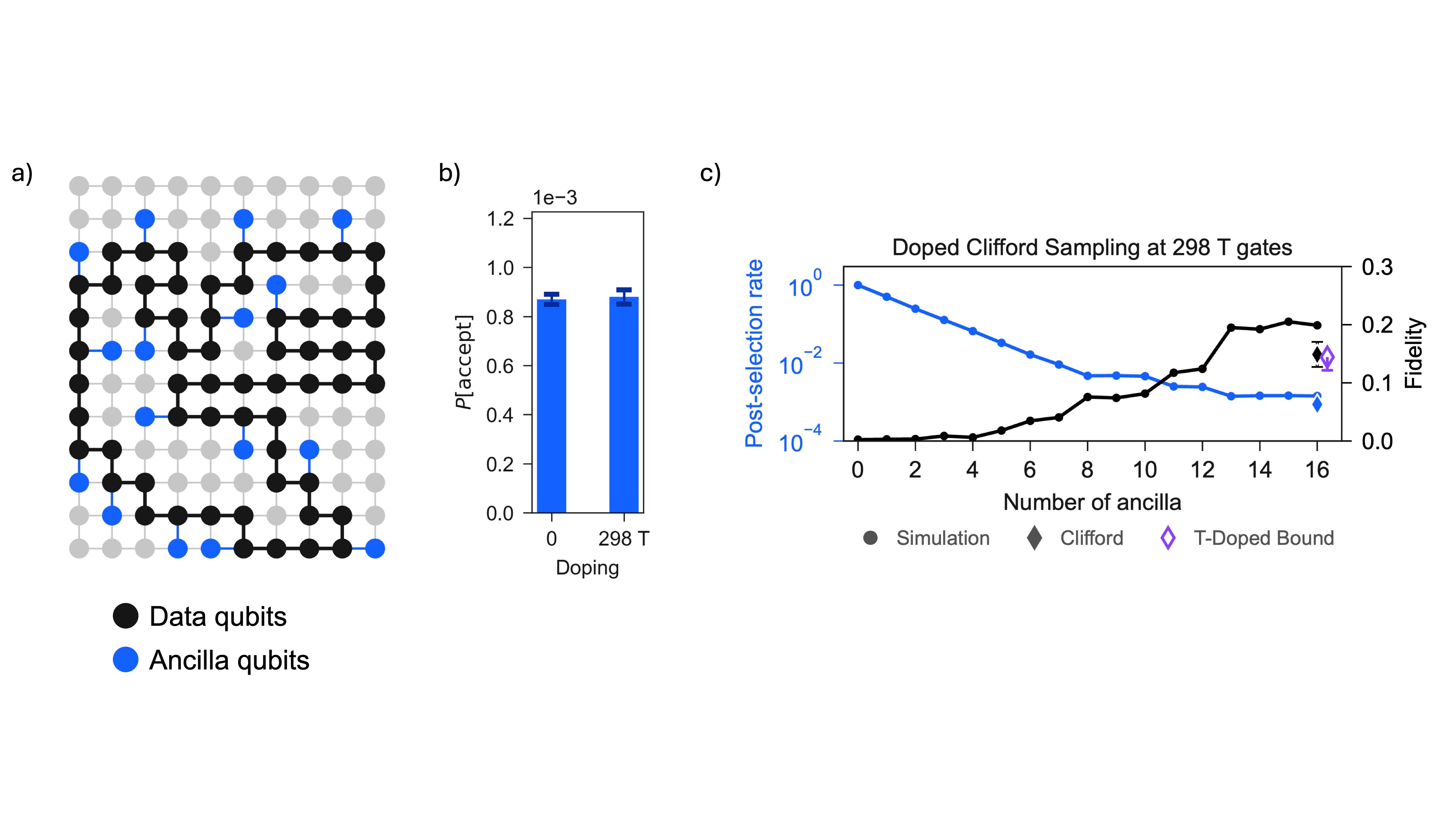
- Advantage-Candidate Circuits: Early data shows runtimes are up to faster without sacrificing accuracy.
2026 Milestone Achievement
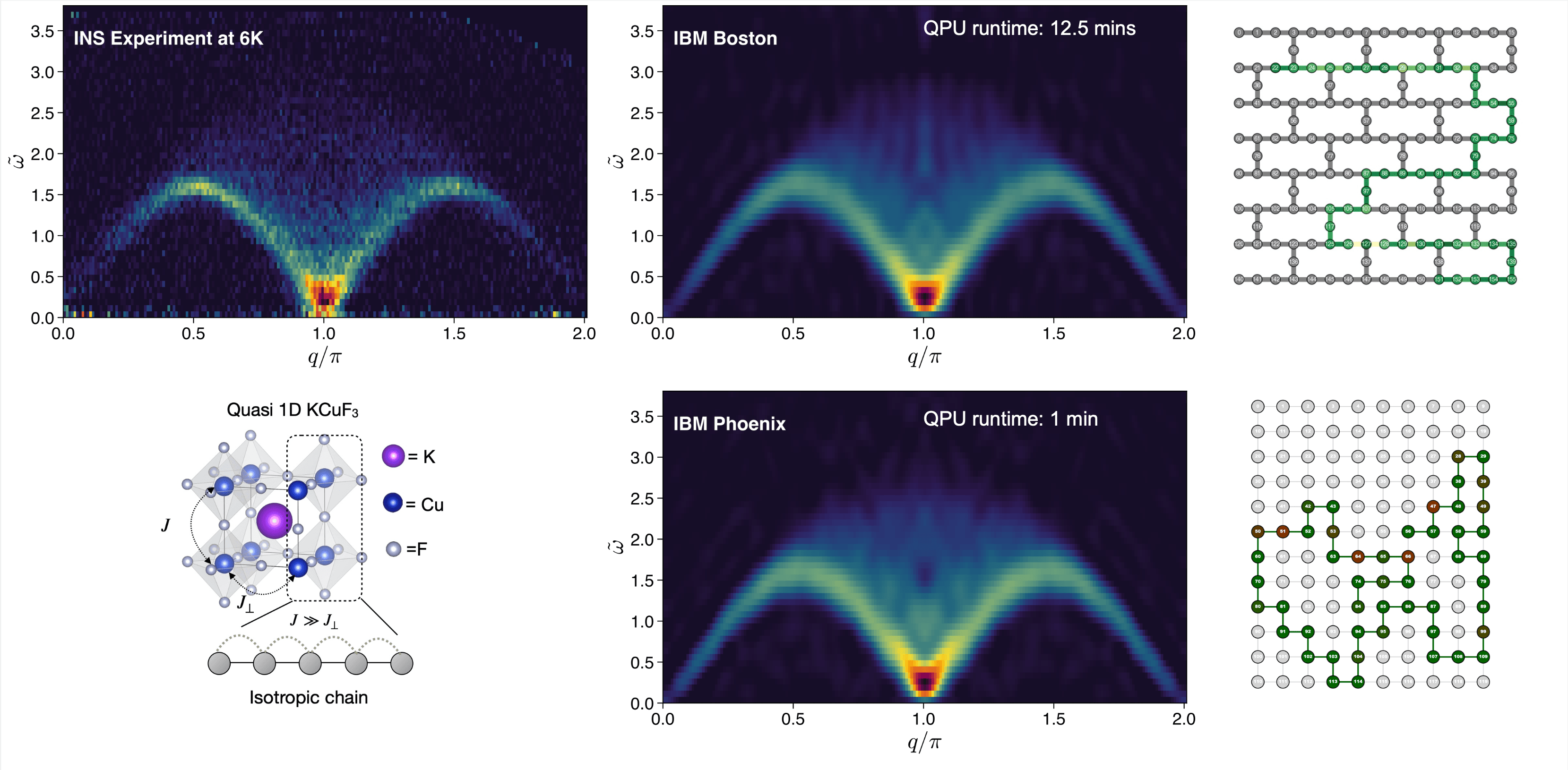
A critical goal for 2026 was the ability to maintain accuracy on deep circuits. Nighthawk r2 has successfully demonstrated accurate observable estimation on circuits exceeding 7,500 gates.
How to Get Started
If you are interested in testing the limits of this hardware, you can access it via the IBM Quantum Platform.
Upcoming Event:
- Webinar: Quantum computing performance in practice
- Date: September 10th
# Conceptual representation of the Nighthawk r2 throughput advantage
def calculate_throughput(processor):
    if processor == "Heron":
        return 4000  # circuits per second
    elif processor == "Nighthawk_r2":
        return 100000 # circuits per second

print(f"Speedup: {calculate_throughput('Nighthawk_r2') / calculate_throughput('Heron')}x")
# Output: Speedup: 25.0x