Artificial beaver dams saw juvenile coho salmon survival rates go from 8% to 60%
Mimicking Nature: How Artificial Beaver Dams Saved Coho Salmon
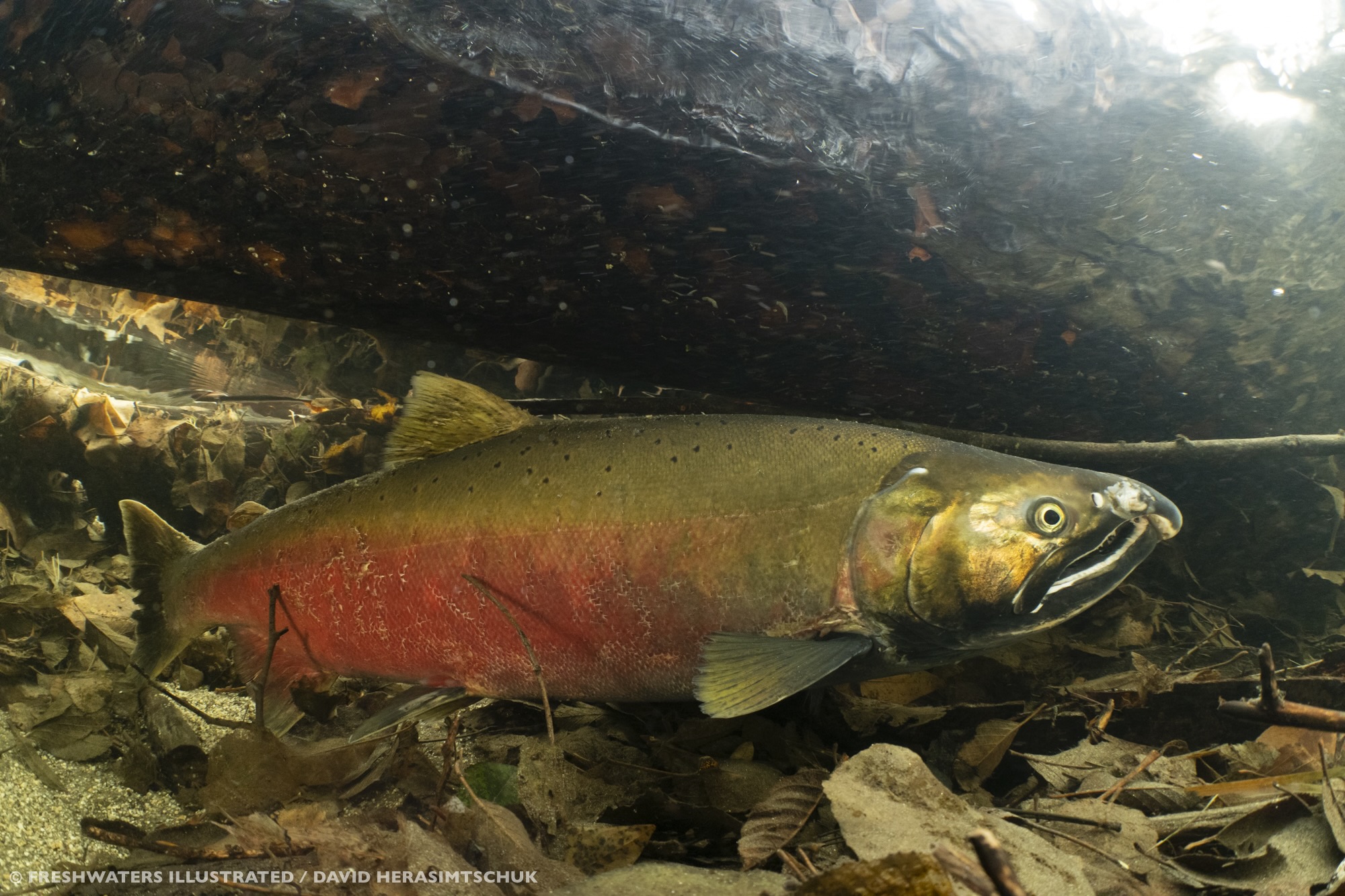
In Northern California, a conservation effort to replicate the work of nature has led to what experts are calling "mind blowing" results. By constructing artificial beaver dams, conservationists have seen juvenile coho salmon survival rates skyrocket from a meager 8% to a staggering 60%.
The History of "Beaver Valley"
The Scott River valley was once so densely populated by beavers that it earned the nickname Beaver Valley. These ecosystem engineers created vast riverine wetlands that served as critical nurseries for juvenile coho salmon and various other species.
However, this balance was destroyed when thousands of beavers were trapped and killed. This led to a catastrophic chain reaction:
Wetlands Cold, slow-moving water Salmon Habitat Habitat Loss.
The Restoration Project
In 2015, the Scott River Watershed Council stepped in to recreate these lost environments. They began by installing two artificial dams on Sugar Creek, followed by several more on French Creek three years later.
Construction Specifications
The dams were built using a specific combination of organic materials:
- Structural Base: Wooden posts driven into the streambed.
- Framework: Interwoven branches of conifer and willow.
- Sealant: Gaps filled with a mixture of
mud,straw, andgravel.
Interestingly, the few remaining wild beavers occasionally "adopted" these man-made structures. As Charnna Gilmore of the Council noted, when beavers take over the maintenance, the results are far superior to human efforts.

The "Mind Blowing" Results
The impact of these low-cost interventions was immediate and profound. The dams created approximately of new habitat.
Impact Metrics
| Metric | Before Artificial Dams | After Artificial Dams |
|---|---|---|
| Juvenile Survival Rate | ||
| Water Temperature | Stress-inducing/Warm | Cooler/Stable |
| Habitat Capacity | Low | young salmon |
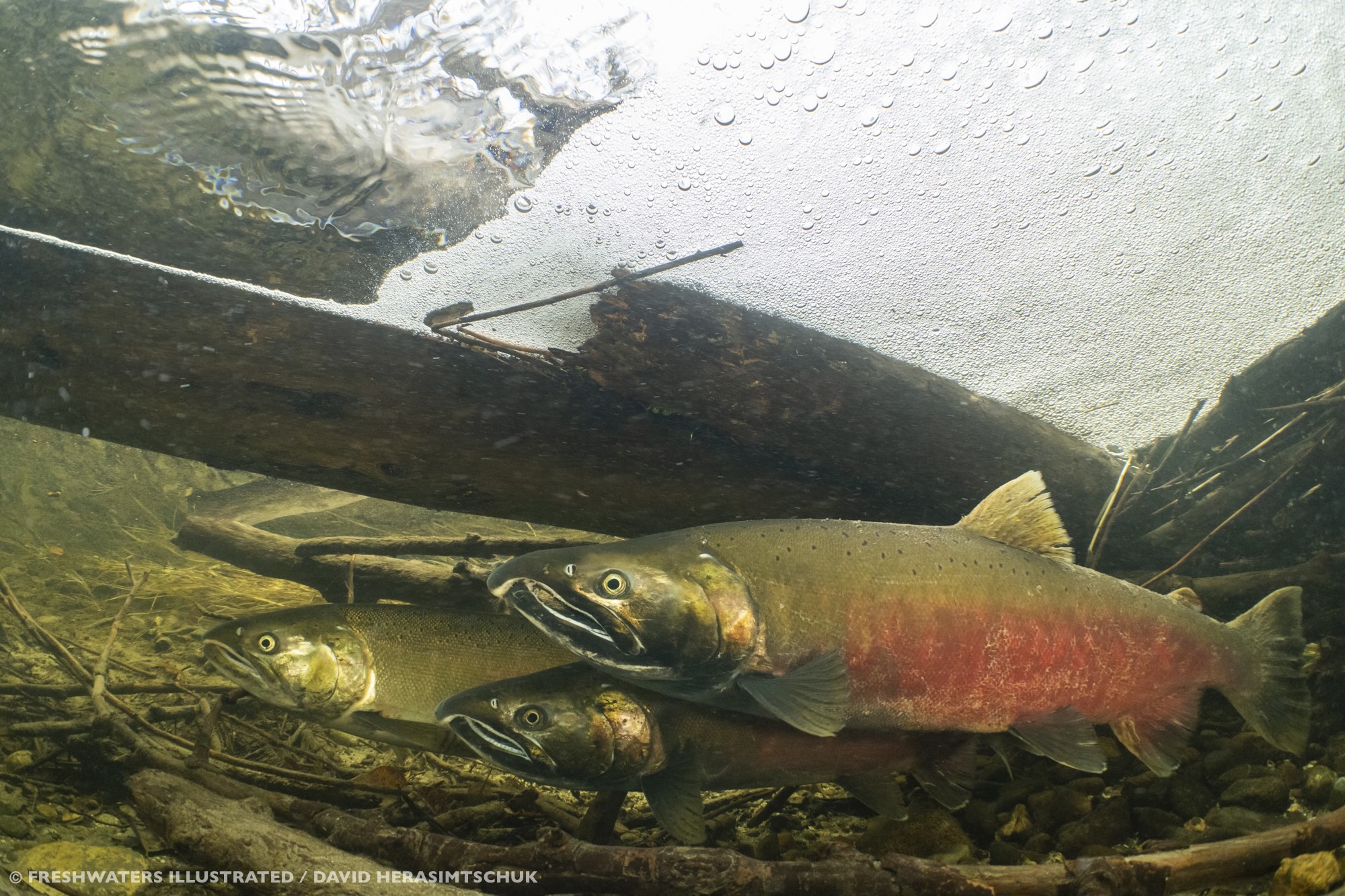
The biological success is rooted in the coho salmon's life cycle: they spend their first summer in freshwater before migrating to the ocean and eventually returning to their natal streams to spawn.
# Simplified survival comparison
pre_dam_survival = 0.08
post_dam_survival = 0.60
improvement = (post_dam_survival - pre_dam_survival) * 100
print(f"Survival rate increased by {improvement}%")
# Output: Survival rate increased by 52.0%
Two years after the initial installation, the Scott River saw higher salmon return rates than any other monitored river in the study—a trend that persisted even during periods of extreme drought.
Expert Perspective
Michael Pollock, a fish biologist with NOAA’s Northwest Fisheries Science Center, emphasizes that while these artificial structures are a great start, the ultimate goal is the return of the animals themselves.
"My take is that the artificial dams have helped people remember what the beaver can do and how integral they are to the health of stream ecosystems... But beavers can only thrive if landowners allow them to."
About the Author: Helen Pilcher

Helen Pilcher is a science writer and presenter with a PhD in cell biology. She is the author of several acclaimed books, including:
- Life Changing: How Humans are Altering Life on Earth (The Times 2020 Science Book of the Year).
- Bring Back the King: The New Science of De-extinction.
Beyond her writing, she serves as a science advisor to the Beano and is the proud owner of a genetically-modified wolf named Higgs. Her personal preferences include the kakapo bird, the Merveille du Jour moth, and warm, milky tea without sugar.