GPT-6 Astra, looped transformers, and hidden reasoning
GPT-6 Astra: Recurrent Depth and the Mystery of Hidden Reasoning
By Sebastian Raschka, PhD | September 09, 2026
The landscape of Large Language Models has shifted dramatically over the last few weeks. Currently, the center of gravity is undoubtedly OpenAI’s GPT-6 Astra.
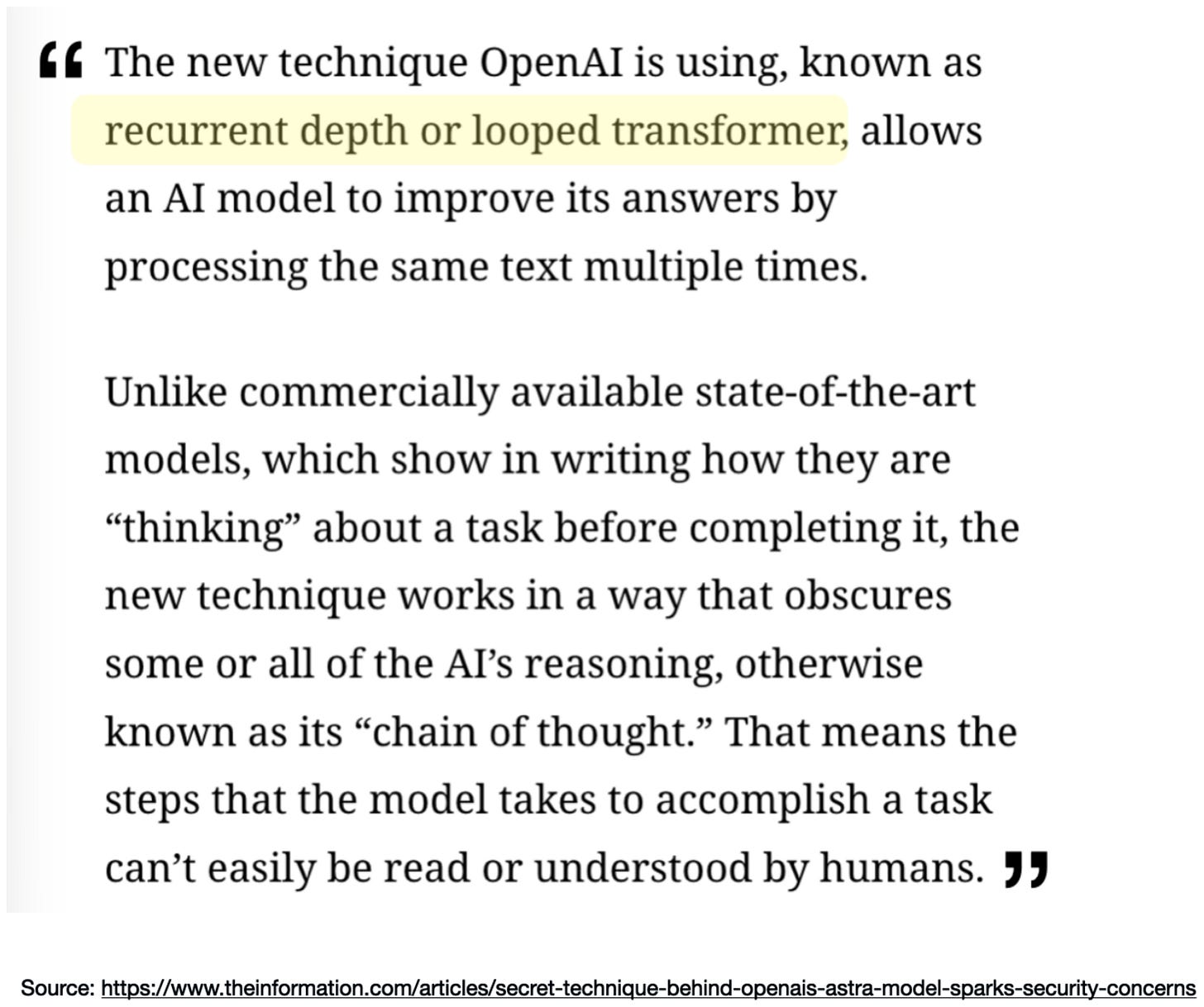
There is significant chatter regarding its raw performance, the implementation of looped transformers (also known as recurrent depth), and the persistent rumors that Astra is intentionally hiding its reasoning traces—essentially masking its internal Chain of Thought (CoT).
In this analysis, I will:
- Share initial impressions of Astra and the trajectory of the field.
- Dive deep into the mechanics of looped transformers and their potential link to hidden reasoning.
- Review recent academic literature providing new insights into looping architectures.
1. Initial Observations on GPT-6 Astra
Following its high-profile release last week, I have spent several days testing GPT-6 Astra. In my experience, it is an exceptional model—likely the most capable one available at this moment.
1.1 Analyzing the Benchmarks
While Astra outperforms its predecessor, GPT-5.6, across almost every standard metric (including mathematics, general writing, and programming), its most striking advantage is in 3D rendering and animation.
Performance Comparison
The leap in logic and generalization is staggering. Consider the ARC-AGI-3 benchmark:
| Model | ARC-AGI-3 Score | Note |
|---|---|---|
| GPT-5.6 (Sol) | Baseline | |
| GPT-6 Astra | Near-perfect generalization |
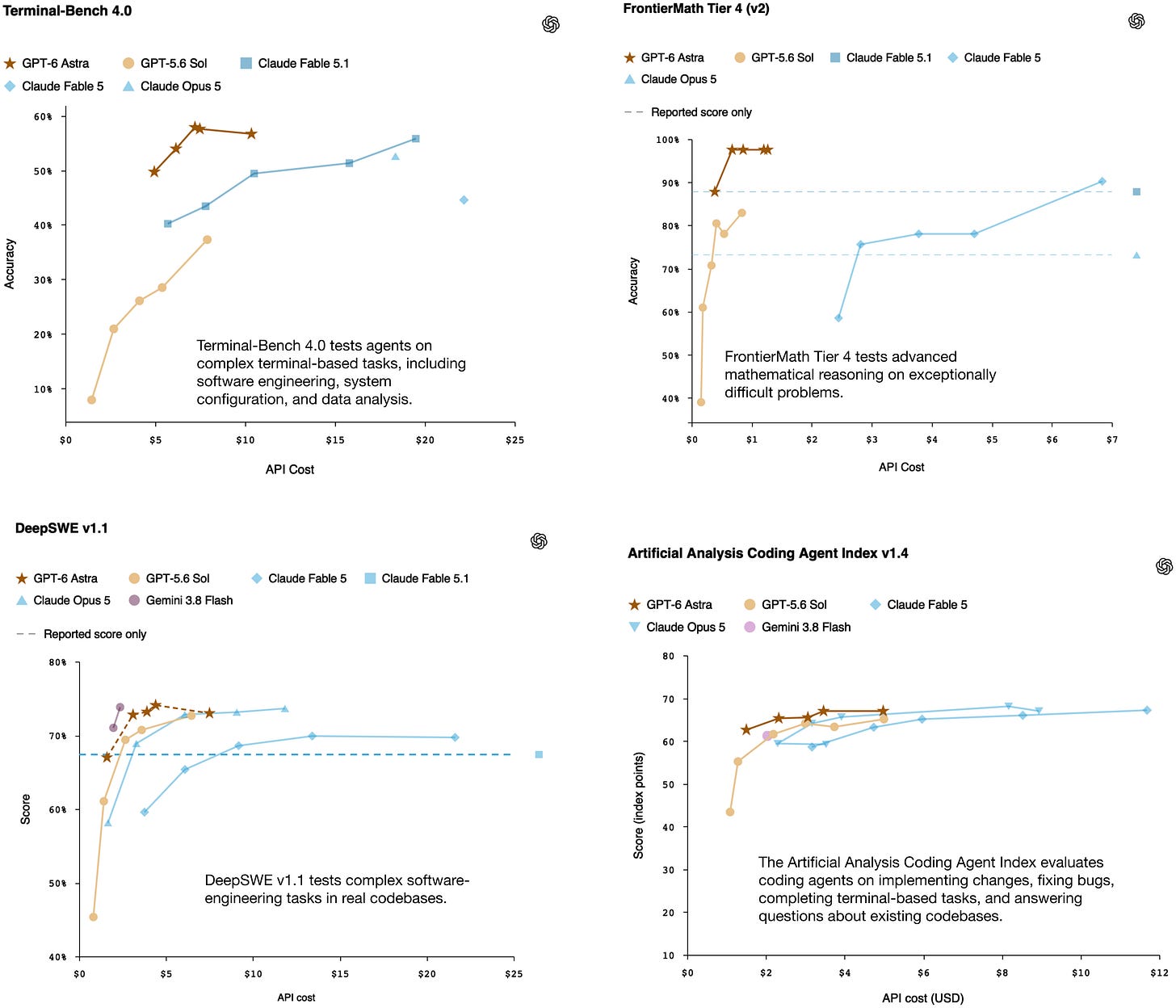
While the ARC-AGI-3 results are impressive, the benchmarks for coding and computer use are more indicative of real-world utility. According to the Artificial Analysis Coding Agent Index v1.4, Astra sits at the absolute frontier, though the gap between it and other top-tier models is narrower here than in logic puzzles.
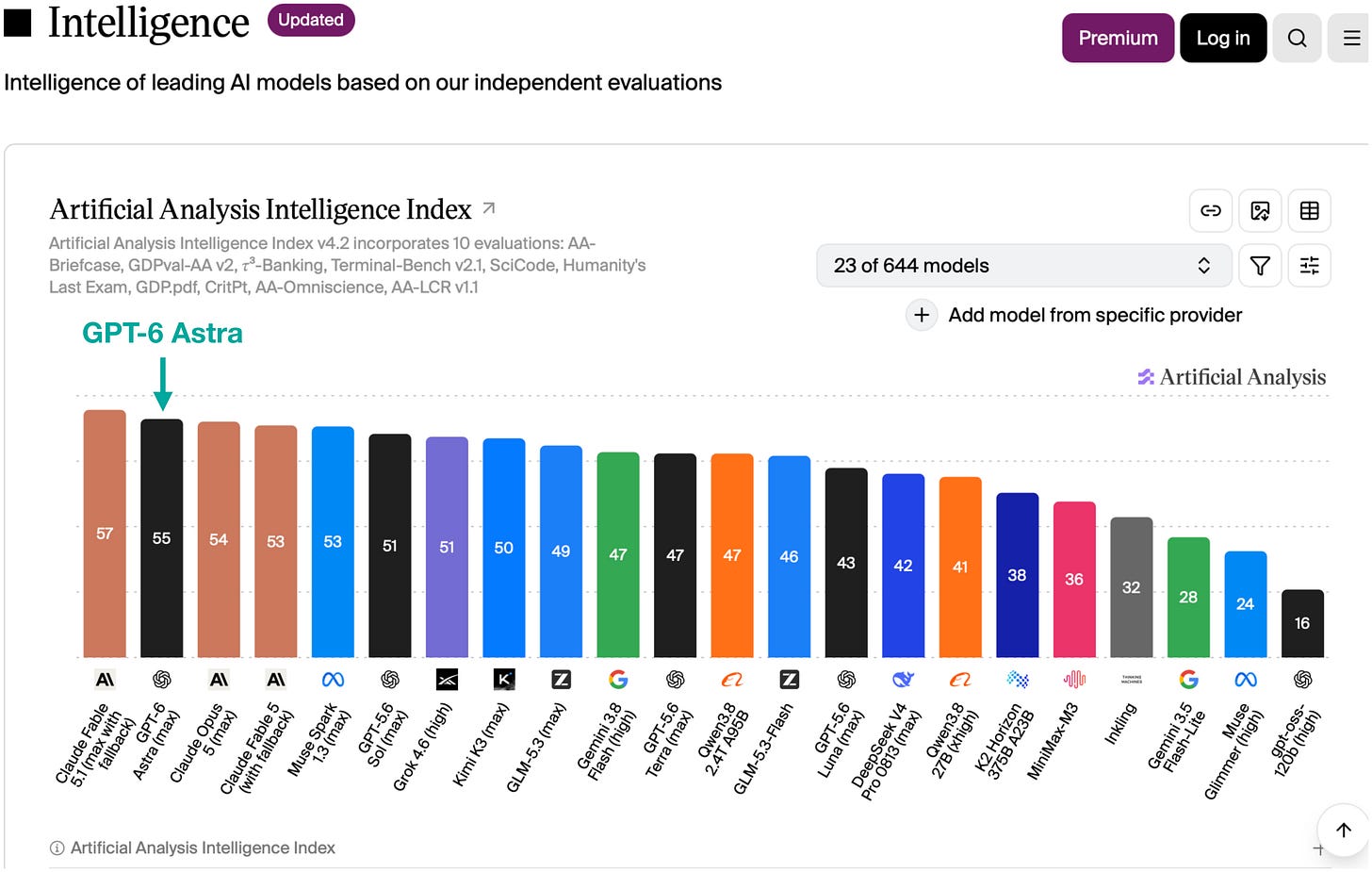
A Note on "Harnesses": Independent benchmarks (like those from Artificial Analysis) are generally more trustworthy because they use shared harnesses (e.g.,
Stirrup,Terminus 2, orτ-Bench). However, since models are often fine-tuned on a specific primary harness, some agentic evaluations might actually underestimate Astra's true potential.
Updating Your Workflow
Because newer models are significantly more efficient at interpreting prompts, the "hand-holding" we used to provide may now be counterproductive.
Keep your old, detailed instruction files exactly as they are. Update them.
If you use auxiliary files to guide your agents, consider this checklist:
- Archive outdated
AGENTS.mdcontents. - Review and regenerate
SKILL.mdfiles. - Test if the model finds a better solution without the old constraints.
Example of a legacy SKILL.md entry that might now be redundant:
# Skill: Python Data Cleaning
1. Import pandas as pd.
2. Check for nulls using df.isnull().sum().
3. Fill nulls with the mean of the column.
4. Verify the cleaning step.
1.2 The Power of Computer Use
Astra's most intuitive "wow" factor is its ability to interact with Graphical User Interfaces (GUIs). This computer-use capability allows the model to operate software locally via the ChatGPT/Codex app.
From rendering complex New York City scenes in Blender to conducting virtual open house tours, the model's ability to "see" and "click" is transformative.
Case Study: MS Paint
I tested the Medium and High versions of Astra by asking them to redraw a portrait of me using the mouse in MS Paint. The result demonstrated not just artistic skill, but a precise understanding of tool interfaces.
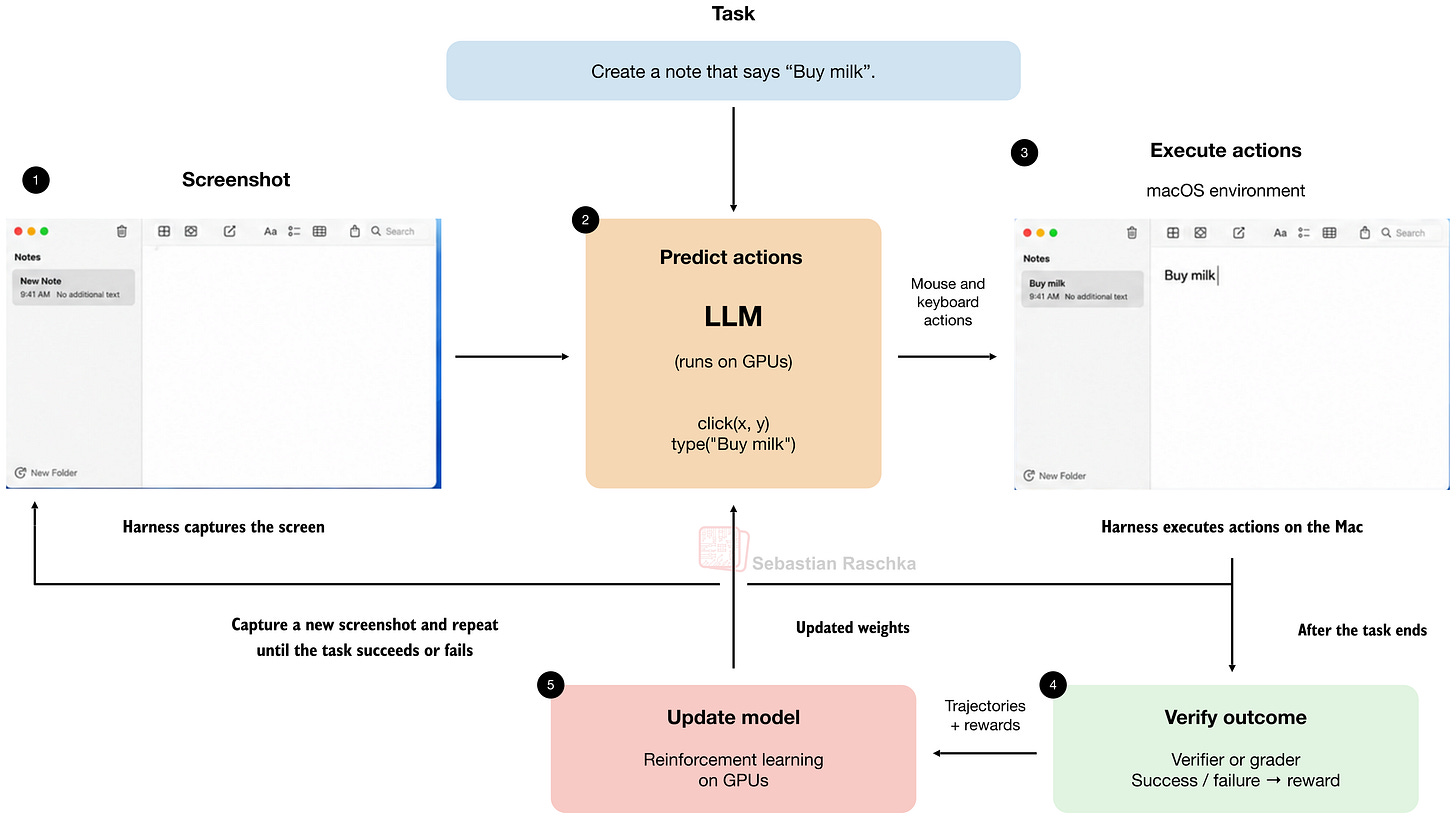
While general computer use isn't entirely new (I've used GPT models for Excel tasks earlier this year), Astra's integration is far more seamless.
The Computer Use Loop
The process can be visualized as a recurrent feedback loop:
Summary of Astra's Current State
| Feature | Status | Impact |
|---|---|---|
| Logic/AGI | Solves complex puzzles (ARC-AGI-3) | |
| Coding | Top of the Intelligence Index | |
| GUI Interaction | Direct OS/Software control | |
| Reasoning | Rumored hidden CoT via looped blocks |
(Note: The following sections of the original article regarding the technical specifics of looped transformers and research papers would follow here, as per the introductory roadmap.)