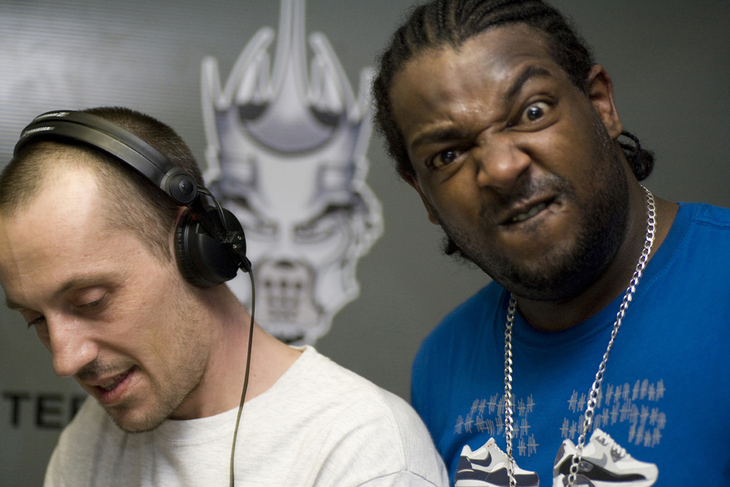
Archiving pirate radio station Kool FM
Preserving the Pulse: The Legacy of Kool FM
Launched on November 28, 1991, Kool FM rapidly ascended to become a titan of the London pirate radio circuit. As the jungle sound began to coalesce in 1992 and 1993—before reaching a fever pitch in 1994—Kool FM was positioned at the very center of the storm.
Today, Trevor 7oaks, the curator behind the Original Kool Archives, is dedicated to a lifelong passion: ensuring that this ephemeral era of broadcasting is never forgotten.
"It was raw, energetic and connected directly to the clubs, raves and estates where the music was happening."
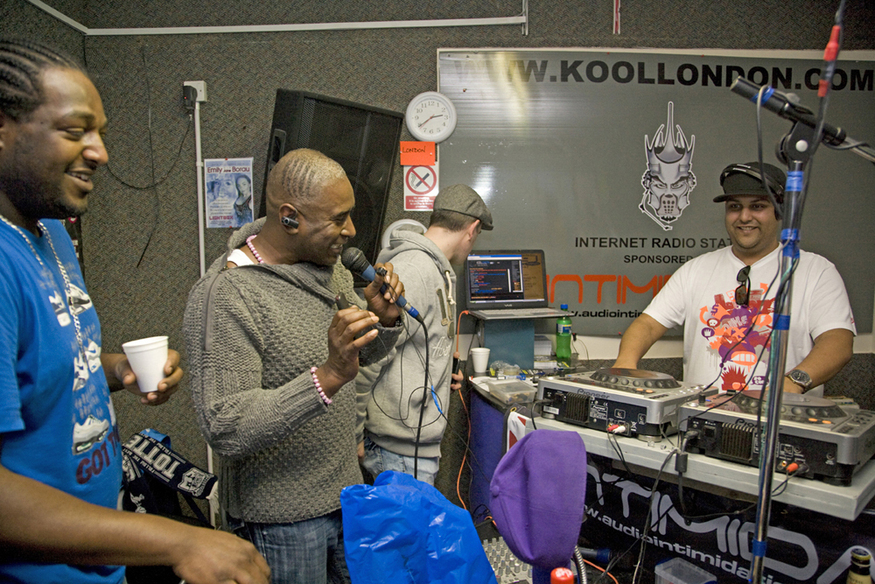
The Pre-Digital Hustle
Trevor first encountered Kool FM in 1992 at the age of 18. In those days, the accessibility of music was fundamentally different. There was no Spotify, no YouTube, and no instant streaming.
To experience the cutting edge, you had to:
- Locate the correct frequency.
- Manually tune your radio.
- Listen in real-time.
The thrill was in the unpredictability. A DJ might play an exclusive dubplate, or an MC might shift the entire energy of a set. It was a world of physical artifacts: flyers, tape packs, record shops, and constant trading of recordings. The evolution of the sound was so rapid that the (change) in musical style could make a track sound futuristic one month and standard the next.
More Than Just a Station
Kool FM didn't just play music; it served as a living document of the birth of jungle and drum and bass. It was a raw, underground conduit for those craving something outside the mainstream.
The Station's Ecosystem
| Role | Purpose |
|---|---|
| Producers | Used the airwaves to test new records via exclusive DJ access. |
| MCs | Refined lyrics and delivery before taking them to live raves. |
| Listeners | Found a community and a soundtrack for their lives. |
"Kool FM wasn't just broadcasting jungle — it was documenting the development of jungle and drum bass."
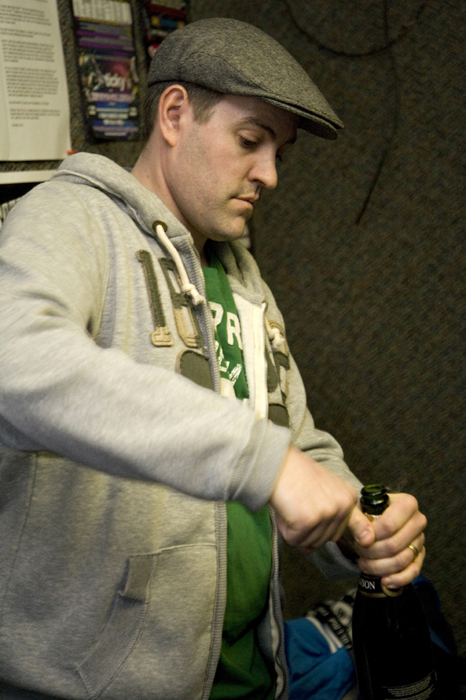
A Community Without Borders
The station became a hub for both legendary figures and emerging stars. The "Kool family" included icons such as:
- MC Skibadee & Stevie Hyper D (the late greats)
- Shy FX
- Brockie
- Mampi Swift
- DJ Kane
- Crissy Criss
Interestingly, the station's influence extended far beyond the physical reach of its transmitter. The culture of recording sets meant the music traveled globally. Some dedicated fans would even drive to the edges of London just to capture a clear signal in their cars, bringing the tapes back to share with their circles.
This community had a profound personal impact on Trevor; it was through this shared love of music that he met Kelly from Harlow, who became his wife and mother to their two children.
The Labor of the "Pirate Archivist"
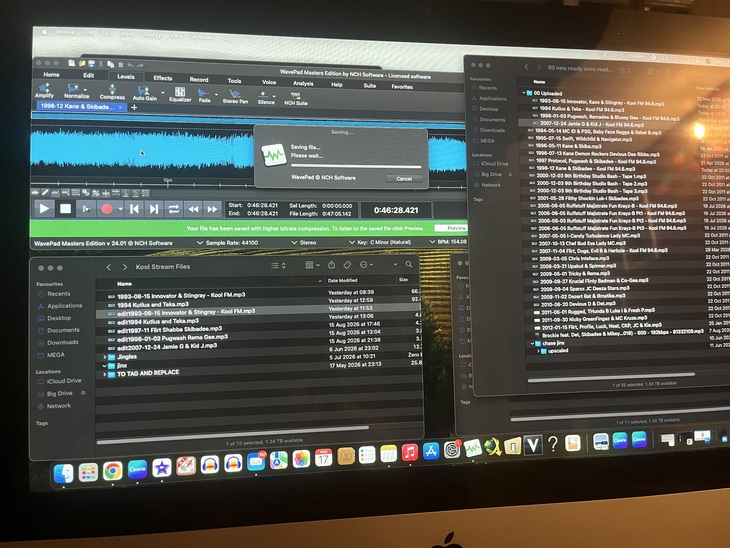
What began as a personal hobby evolved into a massive preservation project. Trevor now manages a collection of over 9,000 recordings.
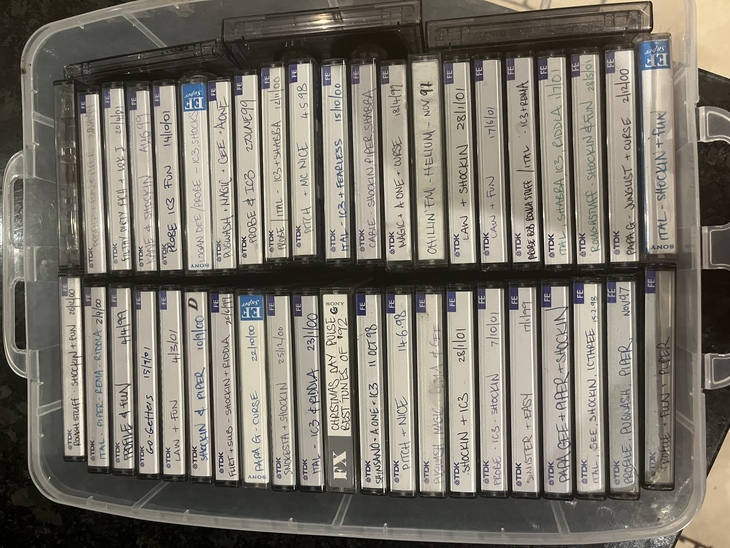
The process of moving from analog to digital is grueling. It is not a simple "upload" process, but a meticulous workflow:
The Archiving Checklist
- Recover tapes from lofts, cupboards, and garages.
- Convert analog signals to digital formats.
- Clean up audio artifacts and noise.
- Catalog and name sets for historical accuracy.
- Host for public download.
Trevor describes the process as almost an addiction. He recognizes that without this effort, vast swaths of cultural history—stored on degrading magnetic tape—would simply vanish.
A Digital Legacy
The scale of the Original Kool Archives is evident in the numbers. To date, MP3 downloads have exceeded 500,000.
For Trevor, the reward isn't just the data, but the emotional resonance. He often receives messages from people who, upon hearing a set, are transported back to being 18 or 19. It triggers memories of specific bedrooms, old flats, and the raves that defined their youth.
# Conceptual Archive Structure
/Original_Kool_Archives
  /1992
    /Sets
      - 1992-05-12_DJ_Set.mp3
      - 1992-08-20_MC_Special.mp3
  /1993
    /Sets
      - 1993-02-10_Jungle_Evolution.mp3
  /Metadata
    - Artist_List.txt
    - Frequency_Logs.csv
By saving these sounds, Trevor is preserving not just the music, but the collective memory of a pivotal era in London's sonic history.