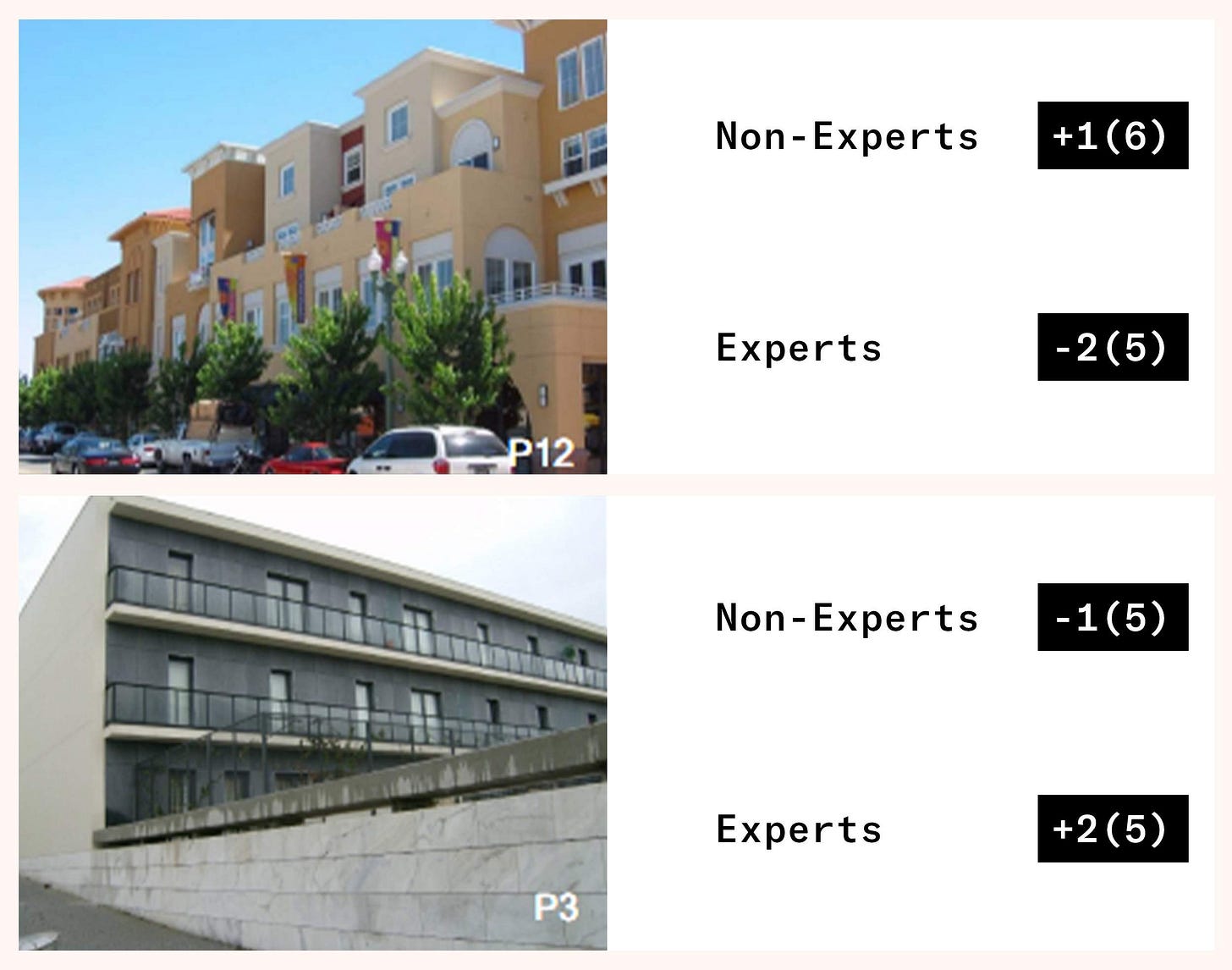
Most people prefer traditional architecture
The Consensus on Aesthetics: Why Traditional Architecture Wins
While we are often told that taste is entirely subjective, there is a striking exception when it comes to the buildings we inhabit. In the realm of architecture, there is a surprising amount of global agreement.
The Great Shift: From Ornament to Concrete
During the 20th century, the world experienced a seismic shift in how buildings were designed. The Modernist movement, which gained momentum in the 1920s, championed a "less is more" philosophy. This approach was characterized by:
- Materiality: A preference for exposed steel and concrete.
- Aesthetics: The removal of ornamentation.
- Planning: The abandonment of the intricate visual rhythms found in traditional facades.
By the 1950s, Modernism had become the global standard. Even as the style evolved and branched into various sub-genres, its core tenets continue to dominate the skyline today.
The Public's Reaction
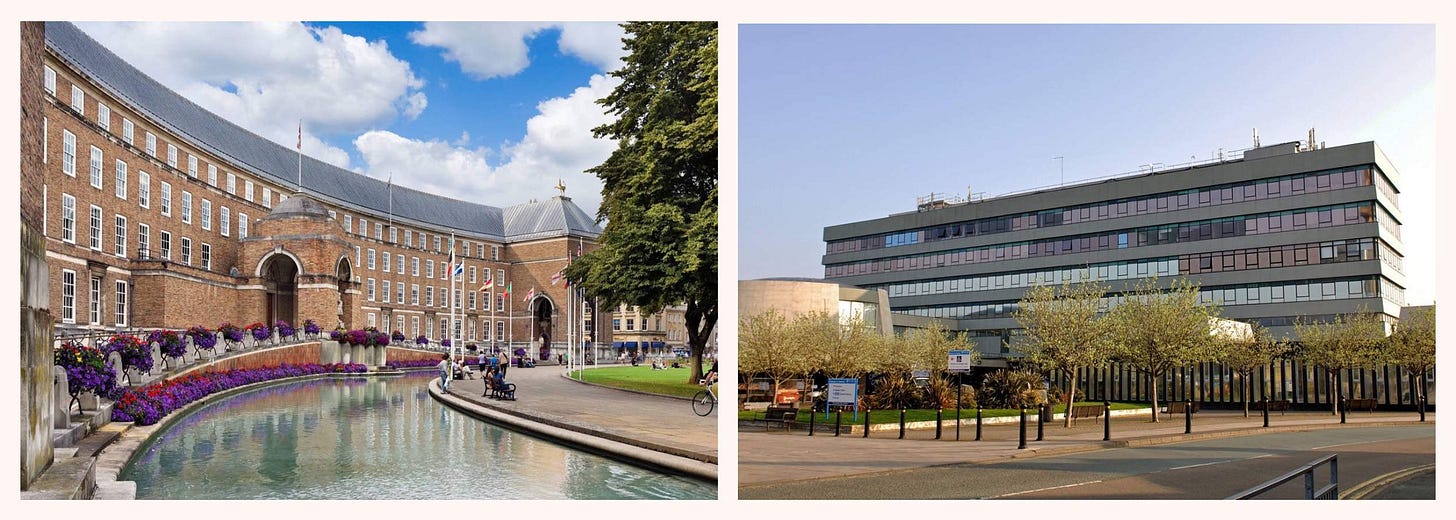
Interestingly, both the fans and the critics of Modernism agreed on one thing: the general public generally dislikes it.
"The public ‘can’t understand it, never will, and hates it like poison." — John Summerson (1940)
Later, in 1977, critic Wolf von Eckardt declared that Modernism was dead, noting that "No one mourned. It was never popular." Despite their differing personal views—Summerson liked the style, while von Eckardt did not—their observation of public sentiment was identical.
Quantifying Beauty: Visual Preference Surveys (VPS)
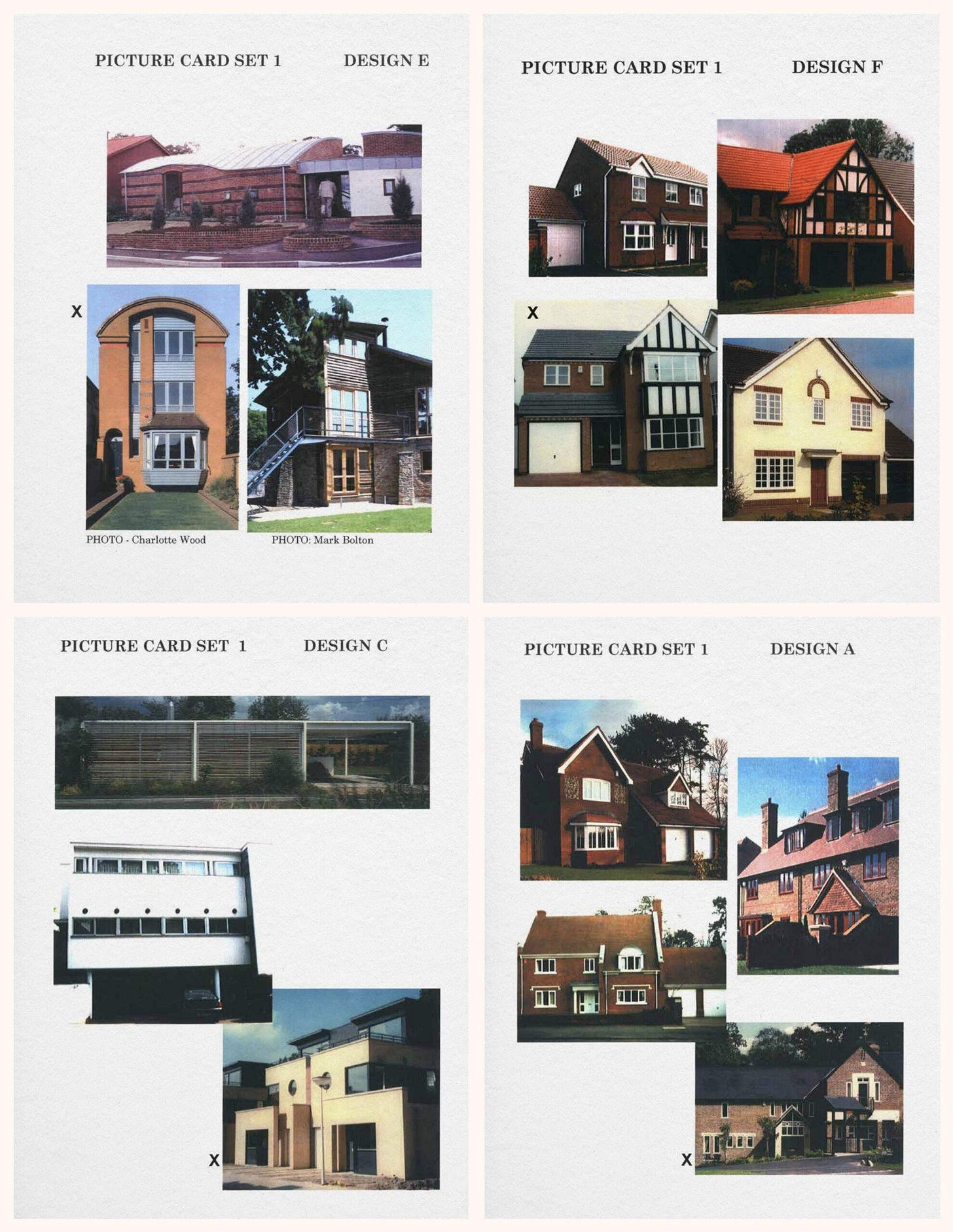
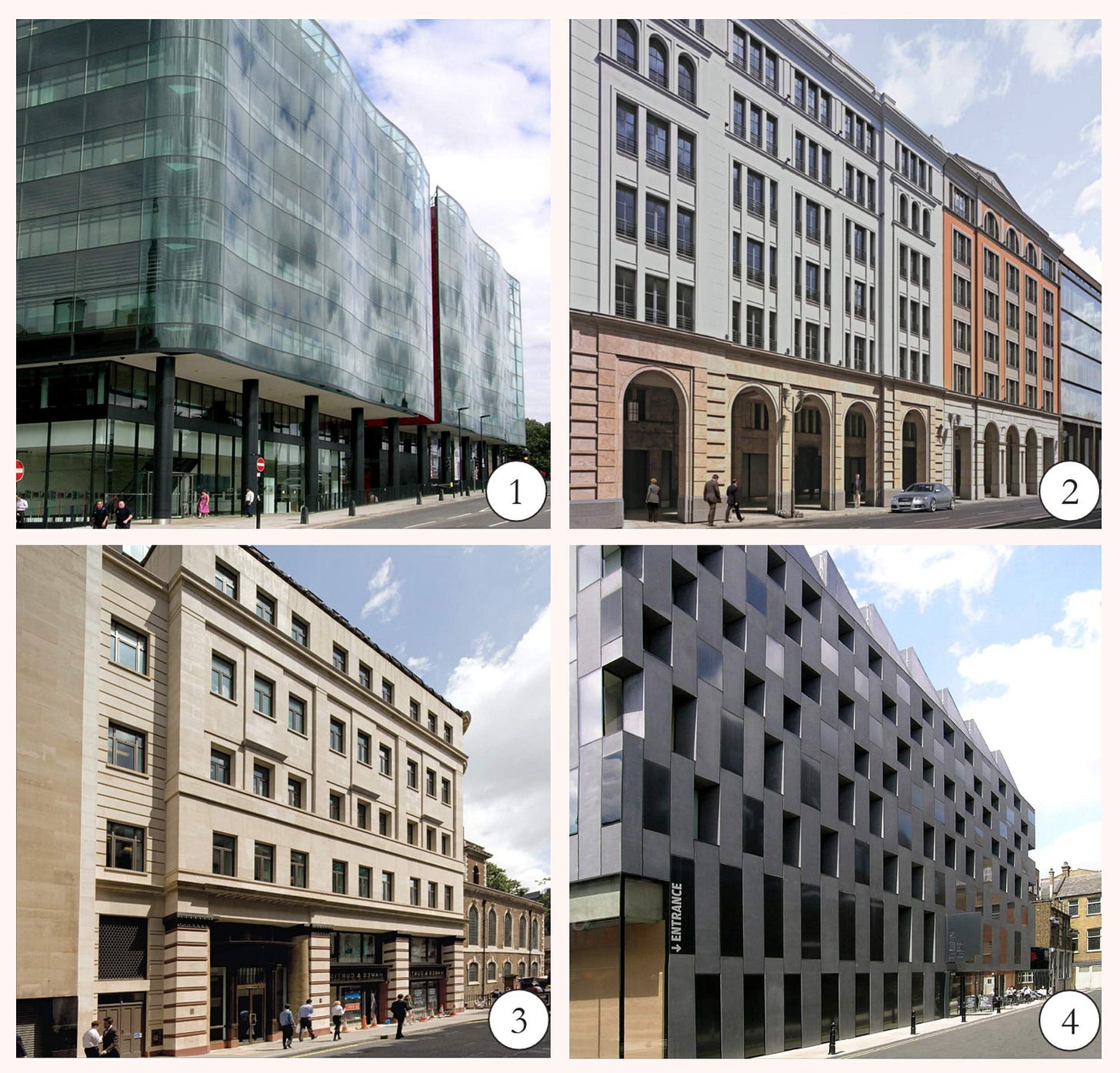
To move beyond anecdotes, researchers have utilized Visual Preference Surveys. At their core, these are simple A/B tests: participants are shown two images and asked a neutral question: Which do you prefer?
The Evolution of the Method
The reliability of these surveys has improved significantly over time:
| Era | Methodology | Limitations |
|---|---|---|
| Early Surveys | Basic photo comparisons | Variables like weather, lighting, and camera angle skewed results. |
| Recent Decades | Online panels & digital editing | Lower costs and better control over image pairs. |
| Current Era | AI-generated imagery | Rapid production of perfectly comparable, controlled images. |
Global Findings
Since the 1990s, approximately twenty rigorous surveys have been conducted across various nations, including:
- 🇬🇧 United Kingdom (where the debate is particularly heated due to the King's preferences)
- 🇺🇸 United States
- 🇨🇦 Canada
- 🇳🇱 Netherlands
- 🇵🇹 Portugal
- 🇨🇱 Chile
The data is consistent: over 60% of respondents prefer traditional architecture, with some studies showing support exceeding 85%. Mathematically, the preference can be expressed as:
Remarkably, this trend holds true regardless of the respondent's , , , , or .

Case Study: The Metuchen Experiment (1979)
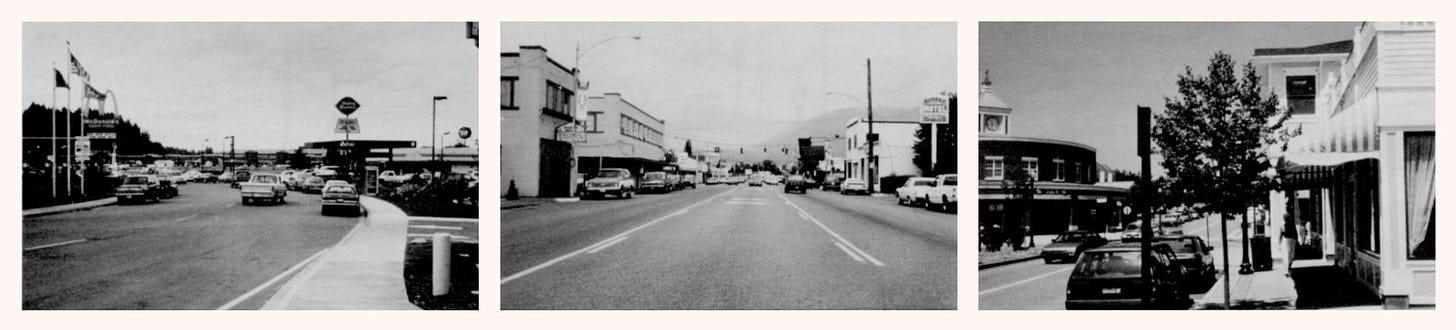
The scientific approach to architectural preference began in Metuchen, New Jersey. The town sought data-driven design policies and partnered with the Rutgers University Urban Design Studio.
The Process:
- Researchers photographed hundreds of local buildings and streets.
- Residents rated these images during public forums.
The Results:
- Loved: Walkable, human-scale environments; detailed and varied facades; "small-town" aesthetics.
- Hated: Featureless "blank" walls; wide, car-centric thoroughfares.
While it is obvious that a quaint high street is more pleasant than a six-lane highway, the Metuchen study proved that architectural preferences are predictable and shared, rather than purely individual. This led to the creation of a formal design code for the town.
Critical Analysis of Metuchen
Despite its success, the study had flaws:
- Sampling Bias: Public meeting attendees aren't always representative of the whole town.
- Confounding Variables: It was unclear if people hated the style of a building or the traffic and lack of greenery surrounding it.
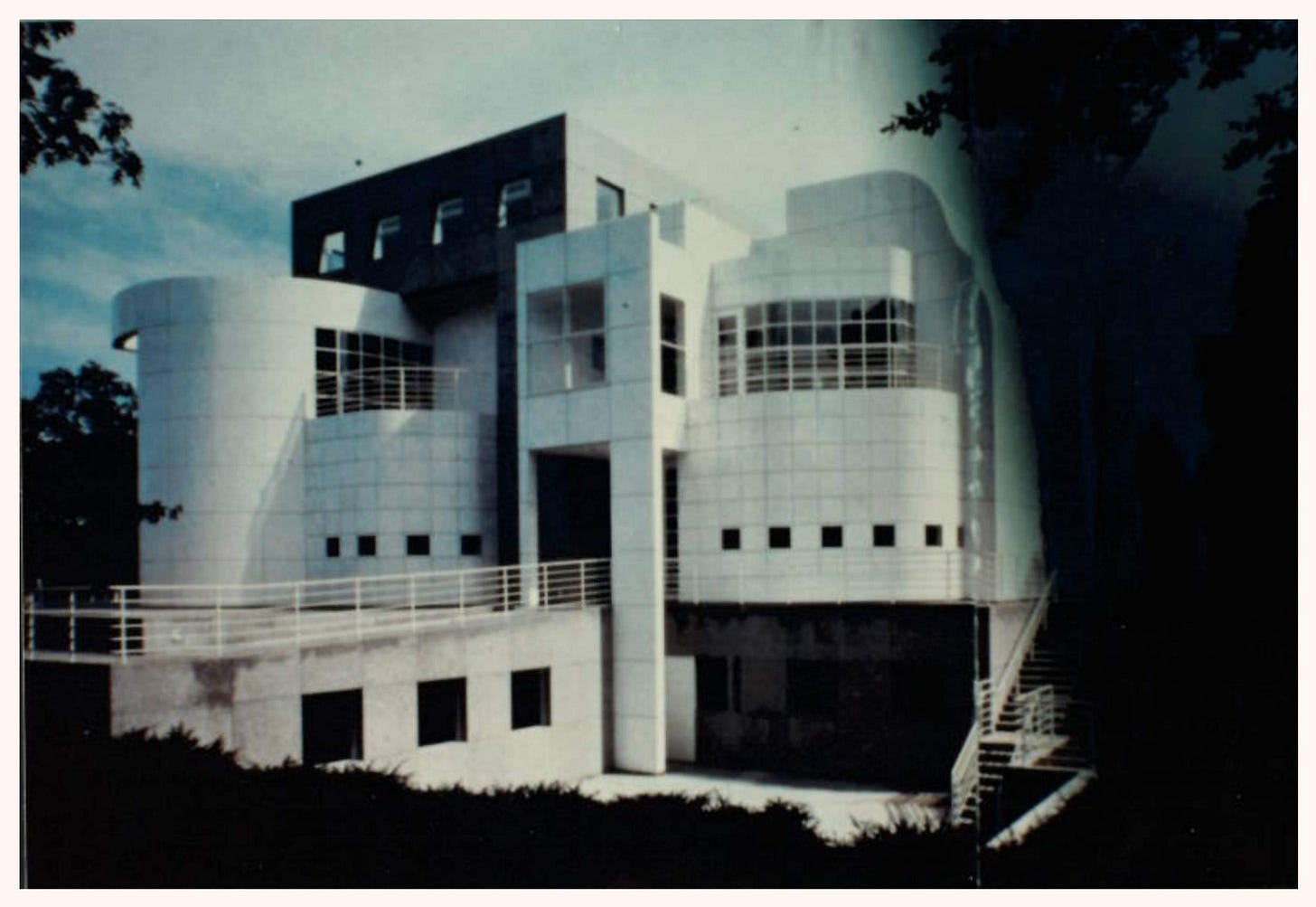
The "Expert" Divide: The Halpern Study
In 1987, David Halpern (then a Cambridge student) conducted a fascinating experiment. He asked volunteers to rate the attractiveness of twelve human faces and twelve buildings.
The results revealed a stark contrast: while people from all disciplines agreed on what made a human face attractive, architecture students held views that diverged sharply from the general population when it came to buildings.
Summary of Visual Evidence
Below are examples of the styles and figures discussed in the context of architectural preference: