The first new cat species discovered in 100 years
A Century in the Making: The Discovery of a New Cat Species
A diminutive, spotted feline from the wilds of Bolivia may be the herald of a new era in feline taxonomy. Scientists have officially identified the first new species of cat discovered in over a century: Leopardus tilcayo.
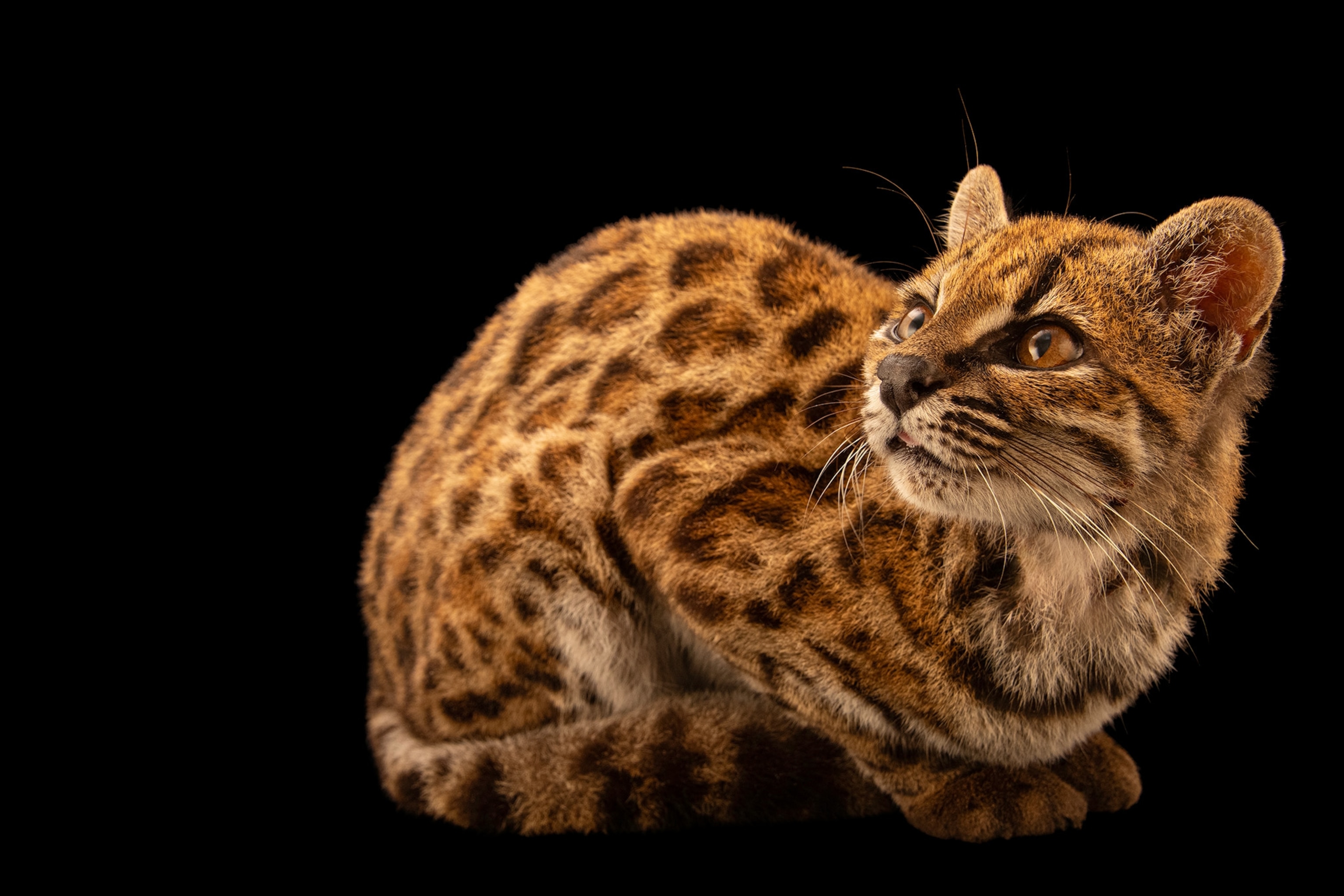
🐾 Profile of the L. tilcayo
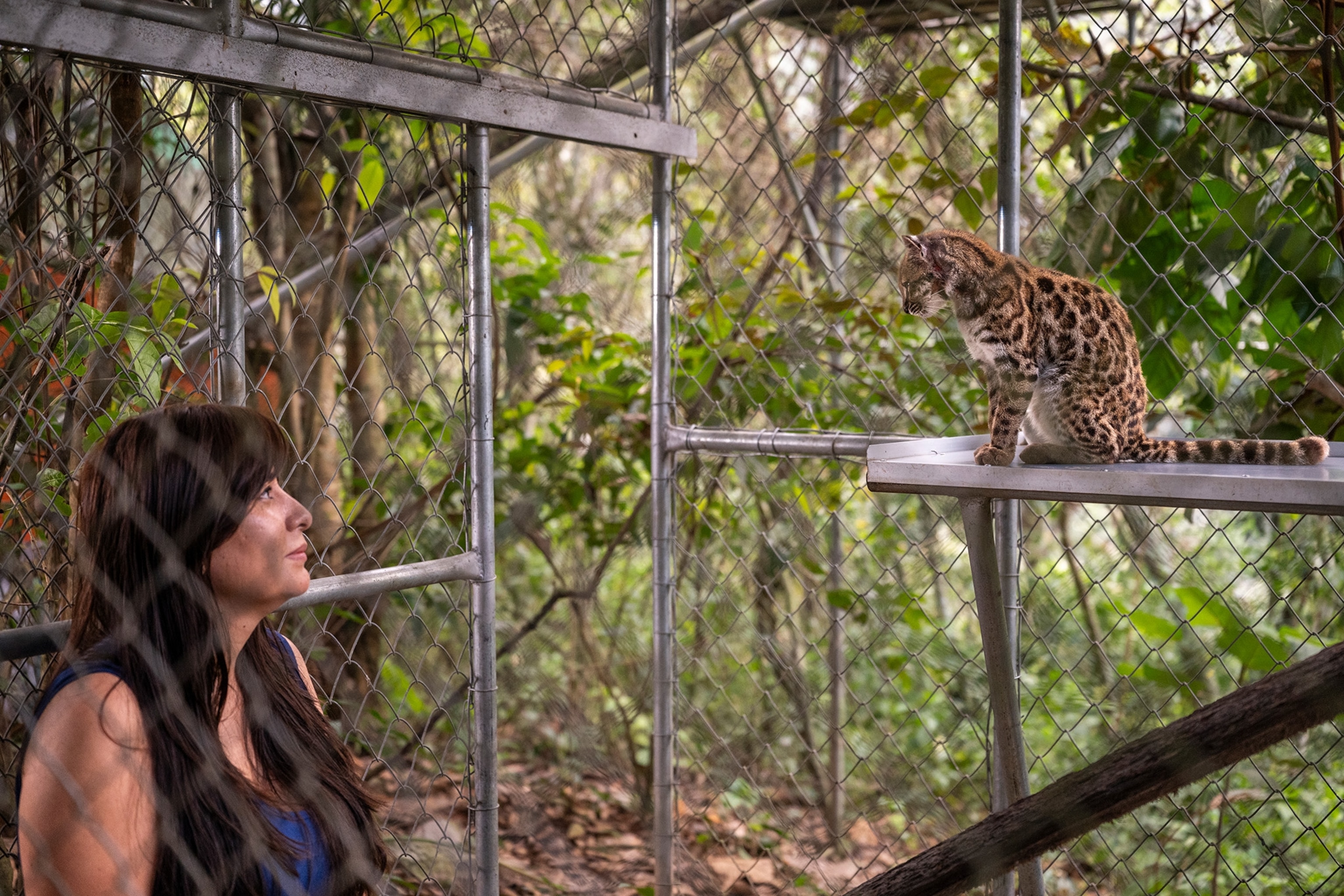
The specimen that brought this species to light is a 10-year-old male currently residing at the Senda Verde Animal Refuge in Bolivia’s Yungas region.
| Attribute | Detail |
|---|---|
| Length | (head to tail) |
| Weight | |
| Size Comparison | Smaller than the average domestic housecat |
| Key Features | Scrunched face, round ears, long whiskers, large rosettes |
The Journey from Roadside to Research
The story began in 2017 when Paola Nogales-Ascarrunz, a National Geographic Explorer and biologist, was contacted by a wildlife sanctuary. They had received a "weird cat" from a local man who had rescued it as a kitten from a road near a forest.
The man had initially assumed the kitten was a domestic breed. However, after a year of cohabitation, the animal's wild nature became undeniable, leading the man to surrender it to the sanctuary.
"I took a hundred pictures of it," Nogales-Ascarrunz recalls. "I was so fascinated."
Unraveling the Genetic Mystery
Initially, Nogales-Ascarrunz believed the cat belonged to Leopardus tigrinus (the oncilla or little spotted cat). This species, described in 1775 based on a single illustration from French Guiana, was long thought to span across Central and South America.
However, the path to discovery followed a specific timeline:
By partnering with geneticist Eduardo Eizirik (Pontifical Catholic University of Rio Grande do Sul) and Jonas Lescroart (University of Antwerp), the team utilized genomic sequencing to pinpoint the cat's exact location on the evolutionary tree.
The Meaning of Tilcayo
The species was named Leopardus tilcayo after the local name used by the people of the region. When asked about the origin of the name, a local resident simply explained:
"My grandpa called it tilcayo, so I call it tilcayo."
Interestingly, the term does not have a specific translation in Spanish or the indigenous Quechua language.
Why This Discovery Matters
This is not merely a case of reclassifying a subspecies. This is a distinct species—the first since the pampas cat was identified in 1923.
The broader implications include:
- Redrawing the Tree: The feline family tree is now seen as having significantly more branches.
- The "Species Complex": What was once thought to be L. tigrinus is now understood to be a
species complex(a group of closely related but distinct species). - New Standards: While physical traits (teeth shape, tail length) are useful, genomic analysis is now the "gold standard" for delineation.
🧬 Genomic Insight
The researchers found that the deeper they looked into the genomes of the Leopardus genus, the more hidden variation appeared.
- 2013: Evidence emerged that L. tigrinus was actually two species.
- 2024: A third genetically distinct species was proposed.
The Road Ahead
Despite this breakthrough, the L. tilcayo remains an enigma. While we know it inhabits the Yungas forest ecoregion on the eastern slopes of the Andes, much is still unknown.
Remaining Research Goals:
- Determine primary diet and prey.
- Identify natural predators.
- Study reproductive patterns.
- Map full population distribution.
The team hopes that the genomic methods used here will lead to the discovery of even more hidden cat species worldwide, ultimately transforming how we approach wildlife conservation.