The forgotten battle of East Lansing
The Forgotten Battle of East Lansing

On Monday, June 7, , the streets of East Lansing became a battlefield. Armed with concrete reinforcing rods measuring three feet in length, students from Michigan State College (MSC) mobilized to repel an influx of labor unionists from Lansing. This clash marked the beginning of the "Battle of East Lansing"—a violent, single-day encounter that has largely faded from public memory.
Perhaps if it had a catchy folk song sung by a local Peter, Paul and Mary-type group, future generations would better remember it?
The Seeds of Conflict
Nearly fifty years after the event, Lester Washburn, the president of the United Auto Workers (UAW) Local 182, detailed the origins of the strife in an interview with historian Ken Germanson. The tension stemmed from the UAW's overwhelming success in organizing Lansing's industrial sector.
Lansing's Industrial Landscape
At the time, Lansing was a powerhouse of automotive production:
| Plant Name | Location | Significance |
|---|---|---|
| Oldsmobile Assembly | South Side | 52-acre massive facility |
| Fisher Body Plant | West Side | Major component producer |
| REO Motor Car Company | Local Neighborhood | Site of a pivotal 4-week sit-down strike |
The REO strike had successfully established UAW Local 182 as the primary collective bargaining agent for the city's autoworkers. As Washburn noted, they were becoming "too successful" at organizing.
The Catalyst: Capital City Wrecking Company
The spark for the battle was a dispute involving the Capital City Wrecking Company, a business specializing in building demolition and lumber sales.
- The Request: 19 employees approached the union seeking representation.
- The Action: Local 182 granted them a union and elected officers immediately.
- The Retaliation: The following morning, the company fired the six newly elected officers and denied the union's legitimacy.
This led to a legal struggle centered on the National Labor Board Act of . While the union fought for its rights, a judge issued a temporary injunction. Despite this, a strike ensued, supported by wrecking company employees and their UAW colleagues. The wives of the workers formed an auxiliary group, providing coffee and doughnuts in a dedicated tent.
The "Labor Holiday" of June 7
The situation escalated when authorities decided to enforce the court's injunction.
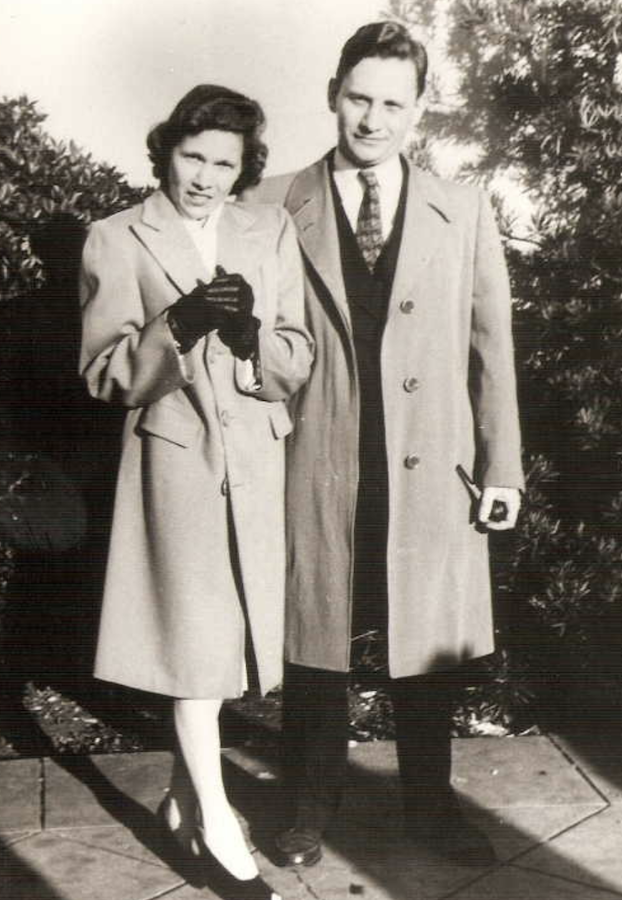
On the morning of June 7, police attempted to arrest Lester Washburn. However, he was traveling back from Detroit. In his absence, police arrested his wife, Nevah, leaving their three children (all under age 10) with a neighbor.
LOG: POLICE ACTION - JUNE 7, 1937
[08:00] - Warrant served at Washburn residence.
[08:15] - Telephone wires cut by police to prevent communication.
[08:30] - Nevah Washburn taken into custody.
[09:30] - Lester Washburn arrives, discovers arrest via pay phone.
Upon discovering the arrests, Washburn coordinated with other union leaders to declare a Lansing Labor Holiday.
The Scale of the Protest
- Participation: union members abstained from work.
- The Procession: A massive parade led by a gravel truck.
- Impact: Stores, theaters, and factories were forced to close.
- Targets: Police headquarters, City Hall, and the State Capitol were all picketed.
The Flying Squadron
The enforcement of the holiday was carried out by the Flying Squadron. According to a 2024 UAW history, this group functioned like the American Minute Men—militant and ready for immediate action.
Squadron Characteristics:
- Uniform: Blue and gold overseas caps with embroidered names.
- Tactics: "Inviting" merchants to shut down.
- Reputation:
Violent"Rambunctious," though Washburn claimed no windows were broken.
Expansion and Collision
Although Washburn claimed he didn't authorize the strike to leave Lansing, union members traveled via car into Okemos and East Lansing.
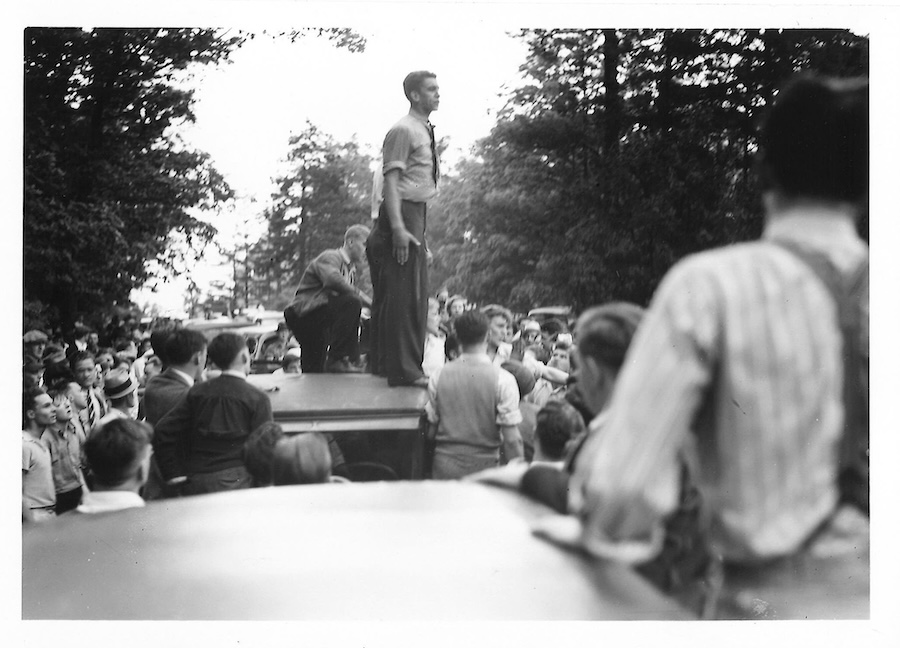
Laurence White, who was 10 at the time and lived at 546 Meadowlawn in the Glencairn neighborhood, recalled the scene:
- Union members blocked major intersections.
- Merchants were convinced to lock their doors.
- Some business owners initially mistook the
Flying Squadronfor veterans due to their caps.
The Counter-Attack
The tension peaked when the union's presence met the resistance of the Michigan State College students.
The Student Response Checklist:
- Mobilize on Michigan Avenue.
- Arm themselves with 3-foot concrete rods.
- Engage in street clashes to push back the "invasion."
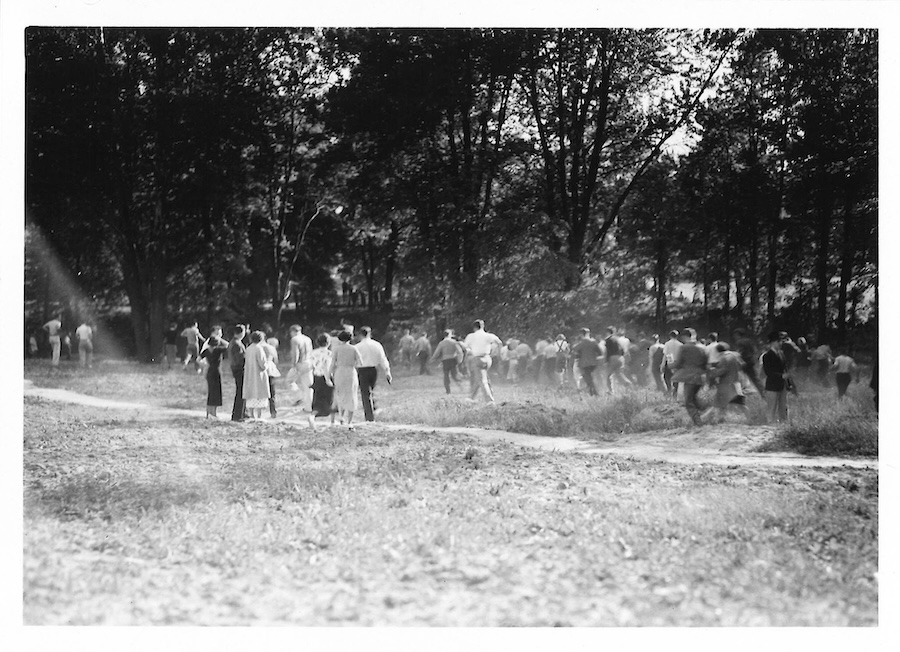
This brief but intense conflict remains a footnote in the region's history, illustrating the volatile intersection of labor rights and campus life in the late 1930s.