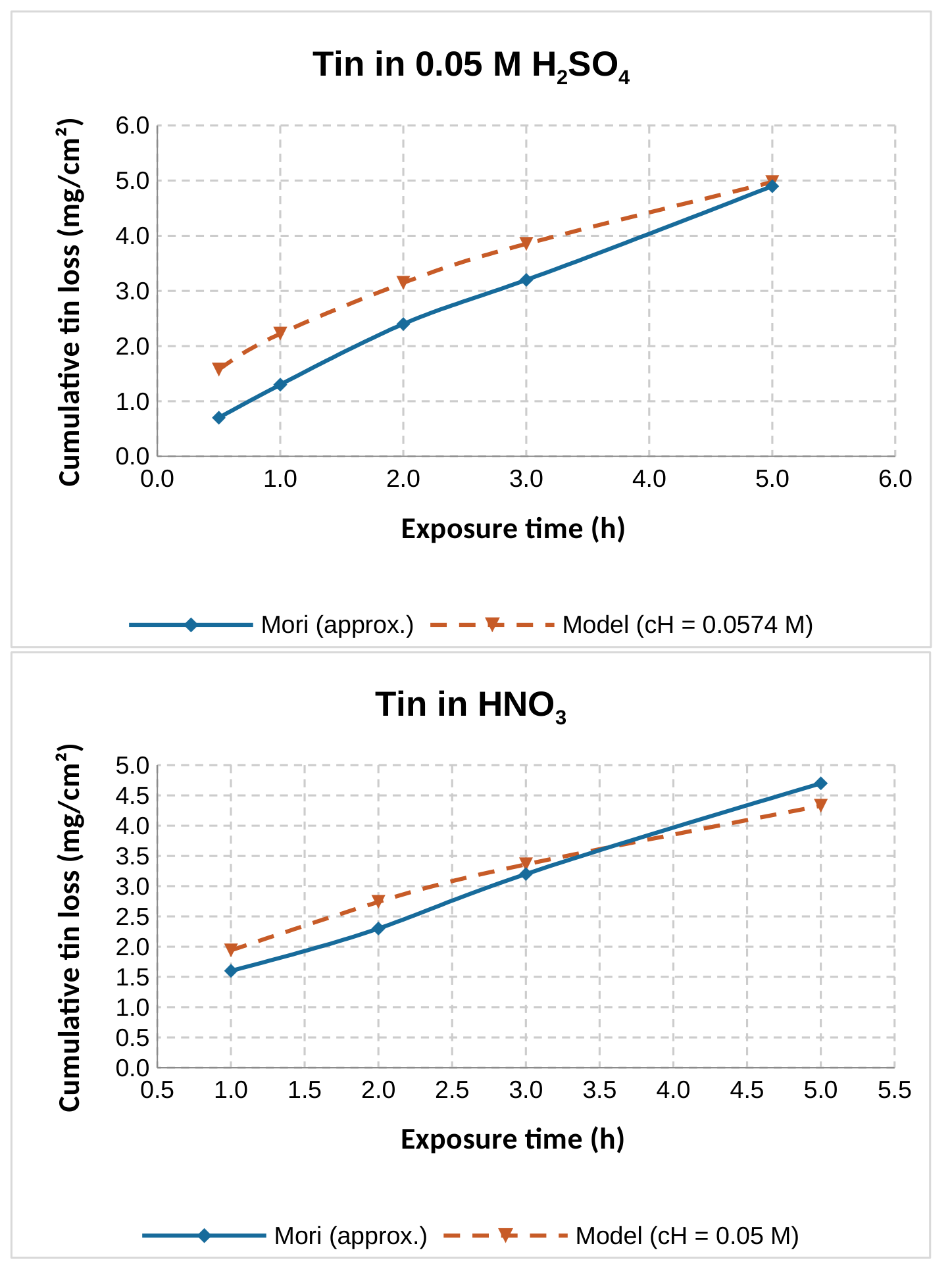
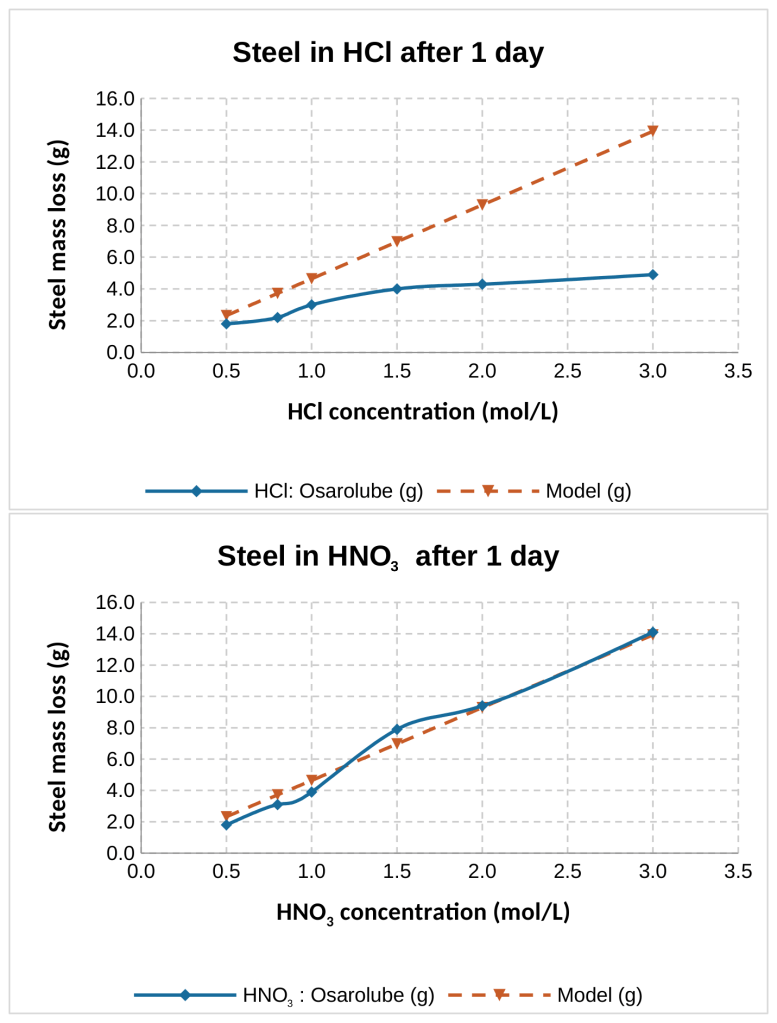
The science of Monkey Island: can grog dissolve a metal mug that fast?
The Science of Monkey Island: Can Grog Actually Dissolve a Metal Mug That Fast?
Journal of Geek Studies | September 23, 2026
Author: Patrizio Raffa (ENTEG Institute, Faculty of Science and Engineering, University of Groningen)
Contact: p.raffa (at) rug (dot) nl
Categories: #Corrosion #MonkeyIsland #Chemistry #VideoGames #PointAndClick
Introduction: A Pirate's Peril
Since its debut in 1990 via Lucasfilm Games, The Secret of Monkey Island has cemented itself as a cornerstone of the point-and-click adventure genre. Most gamers from the 90s era are well-acquainted with the exploits of Guybrush Threepwood—an aspiring pirate (or perhaps a flooring inspector?).
While Guybrush faces many dangers, including the mysterious brews of the Voodoo Lady, nothing is quite as chemically aggressive as grog. This beverage, a staple across the Tri-Island area, is notorious not just for its questionable recipe, but for its terrifying ability to liquefy metal in record time.
The Nature of Grog
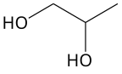
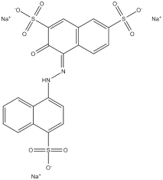
Introduced by the pirate captains at the SCUMM bar on Mêlée Island, grog is described as the most volatile and caustic substance known to humanity. Its secret formula is said to contain one or more of the following:
"Kerosene, propylene glycol, artificial sweeteners, sulfuric acid, rum, acetone, and red dye No. 2."
From a chemical standpoint, the most fascinating aspect is its corrosivity. The game notes that the drink eats through metal so efficiently that the local chef is forced to spend a small fortune constantly replacing mugs.
The Gameplay Mechanic
In a classic puzzle sequence, Guybrush must transport grog in pewter mugs. Because the liquid is so corrosive, the container degrades in real-time. To succeed, the player must repeatedly transfer the grog into fresh mugs while trekking from the SCUMM bar to the jail.
The ultimate goal is to pour the grog onto a prison lock, dissolving it to liberate the prisoner, Otis, who then joins Guybrush's crew.
The Scientific Inquiry
For any player with a background in chemistry, this raises a critical question: What would the chemical composition of grog actually need to be to achieve this effect?
This study approaches the problem semi-quantitatively. Instead of guessing a recipe, the author treats the game's events as an inverse problem. By observing the rate of deterioration, we can estimate the necessary proton supply required by a simplified corrosion model.
The goal isn't to create a real-world recipe (which would be dangerous and likely offend actual pirates), but to see if the game's behavior aligns with known corrosion science.
Boundary Conditions and Assumptions
To build a viable model, we must establish three key variables: Time, Material, and Thickness.
1. Temporal Analysis (Time)
To determine the "lifetime" of a mug, the author conducted an experiment using The Secret of Monkey Island: Special Edition (2009) via Steam. By filling a mug and waiting for it to vanish completely, the following was observed:
- Measured Perforation Time:
For the sake of the model, "complete dissolution" in-game is treated as the moment the wall of the mug is perforated.
2. Material Composition
The mugs in the game exhibit a dull grey, metallic appearance without any signs of wood or ceramic glazing.
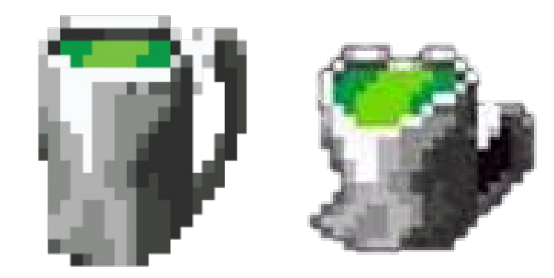 Fig 1: Grog in a mug immediately after filling (left) and after several seconds (right).
Historically, such vessels were made of pewter, a malleable alloy primarily composed of tin. The game confirms this; once the mug dissolves, it is described as a "pewter wad".
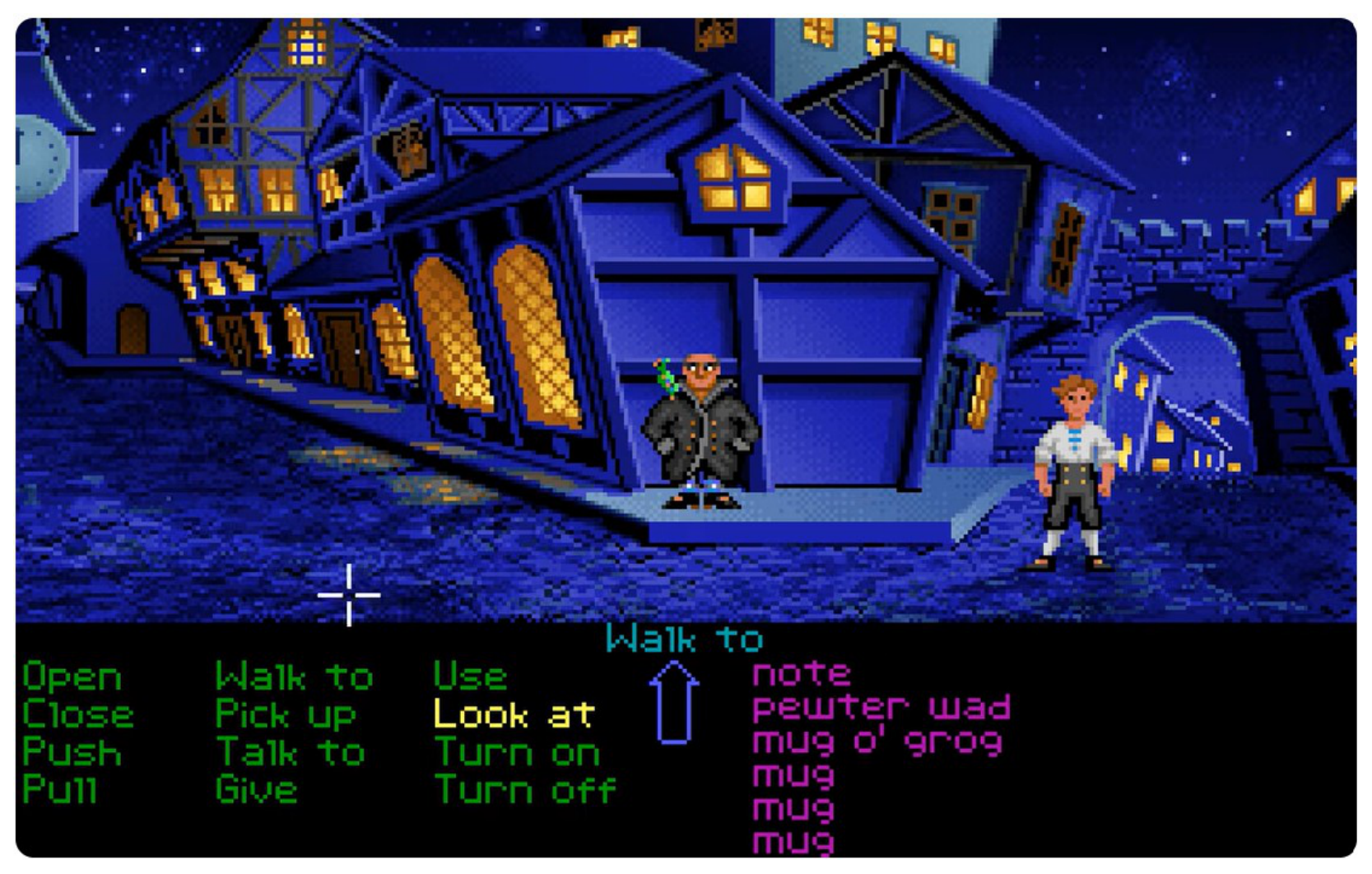 Fig 2: The result of grog's corrosivity.
While historical pewter often contained lead, this model treats the material as pure tin for simplicity.
3. Physical Dimensions
Since the game provides no blueprints, a "ballpark" value for the wall thickness was adopted:
- Assumed Thickness ():
Chemical Analysis of Grog
The following table breaks down the potential ingredients mentioned in the game and their likely impact on tin corrosion.
Table 1: Potential Grog Components and Corrosivity
| Component | Chemical Formula / Composition | Potential Corrosivity (Tin) |
|---|---|---|
| Kerosene | Hydrocarbon mixture | Unlikely / Low |
| Propylene Glycol | Low | |
| Artificial Sweeteners | Various organics | Negligible |
| Sulfuric Acid | Extremely High | |
| Rum | Ethanol/Water mixture | Low |
| Acetone | Low | |
| Red Dye No. 2 | Organic pigment | Negligible |
Visualizing the Components
Below are the chemical structures of some of the more "interesting" additives:
| Propylene Glycol | Acetone | Red Dye No. 2 |
|---|---|---|
 |  |  |
Summary Checklist for the Aspiring Pirate
If you intend to replicate the "Otis Liberation" maneuver, ensure you have the following:
- A steady supply of pewter mugs.
- A stopwatch (to track the window).
- A high concentration of (Sulfuric Acid).
- A complete disregard for safety protocols.
Final Note on Methodology
The author's approach can be summarized in the following logic block:
def calculate_corrosion_requirement(time_to_fail, thickness):
    # Simplified inverse problem logic
    corrosion_rate = thickness / time_to_fail
    return f"Required proton supply must support a rate of {corrosion_rate} mm/s"

print(calculate_corrosion_requirement(35, 2))
# Output: Required proton supply must support a rate of 0.057 mm/s
Additional References & Imagery:
- Historical Pewter Context: The Pewter Society
- Game Source: The Secret of Monkey Island: Special Edition (LucasArts, 2009)