Finally, A True Blue Rose Exists
Finally, A True Blue Rose Exists
By Tina Hesman Saey | September 23, 2026
Roses cannot be blue. Actually, they can. In a breakthrough that might just rewrite the metaphors of poetry, researchers at the Suntory Global Innovation Center in Kyoto, Japan, have successfully engineered a rose with a distinct violet-blue hue.
"This development could change poetry forever."
The Biological Hurdle
Naturally, roses are capable of producing yellow and red pigments, but they lack the specific enzyme required to synthesize blue tones.
The quest for a blue rose began in earnest around 2004. At that time, the Suntory team attempted to solve the problem by inserting a gene responsible for producing delphinidin, a blue pigment. However, the results were underwhelming: the roses appeared purplish rather than true blue.
The Missing Piece: Co-pigments
The researchers discovered that producing a blue pigment is only half the battle. Naturally blue flowers (like irises) utilize "helper molecules" known as flavone C-glycosides. These colorless co-pigments serve a critical function:
- They stabilize the primary pigments.
- They shift the visual spectrum to a deeper, more vivid blue.
The Genetic Blueprint
To achieve the desired color, the team moved beyond a single gene. They inserted a cocktail of four genes from various blue-flowered species into a light pink rose base.
Genetic Source Map:
| Source Plant | Number of Genes | Purpose |
|---|---|---|
| Campanula medium (Canterbury bells) | 1 | Production of multiple blue pigments |
| Torenia x hybrida (Wishbone flowers) | 2 | Production of colorless helper molecules |
| Gentiana triflora (Clustered gentian) | 1 | Production of colorless helper molecules |
The synergy between the pigment malvidin and the helper molecule isoorientin resulted in a flower significantly bluer than those producing only delphinidin.
The "Blue" Formula
The researchers noted a direct correlation between the concentration of co-pigments and the intensity of the color:
Results and Stability
The findings were presented on August 25 at the 32nd International Horticultural Congress in Kyoto. According to the flower color chart, these roses are officially classified as violet blue.
Durability Checklist:
- 7 years of successful growth in Japanese greenhouses.
- 3 years of successful growth in Colombian fields.

📰 Other Scientific Headlines
The world of science continues to evolve across various disciplines. Here is a summary of recent reports:
🧠 Health & Medicine
- Neuroscience: New evidence suggests that damage from Alzheimer’s might originate outside the brain.

- Reproductive Health: A previously overlooked organ may play a role in supporting ovary function.

- Genetics: New insights into the mechanisms of Huntington’s disease may lead to better ways to stop its progression.
🦖 Paleontology & Animals
- T. rex: The first set of adult footprints provides clues regarding the walking speed of the Tyrannosaurus rex.

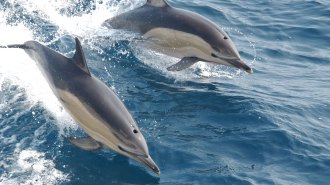
- Marine Biology: "Forever chemicals" are suspected of accelerating the aging process in dolphins.
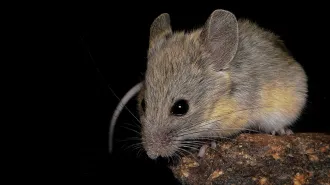
- Mammals: A tiny mouse has been found to thrive in high-summit environments.
🧬 Tech & Agriculture
- Synthetic Life: While
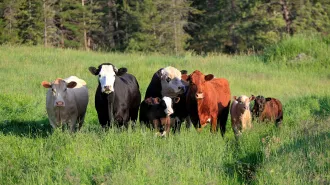
SpudCellsaren't technically alive, they represent a milestone toward synthetic life. - Livestock: A debate persists among breeders regarding whether Beefalo are purely beef or something more.
💤 Society & Pop Culture
- Sleep Science: Researchers are still debating the actual benefits and drawbacks of napping.

- Comic Science: An analysis of Spider-Man's ability to toggle his superpowers—what is scientifically plausible and what is fiction.

def check_rose_color(pigment, co_pigment):
    if pigment == "malvidin" and co_pigment == "isoorientin":
        return "Violet Blue"
    elif pigment == "delphinidin" and not co_pigment:
        return "Purplish"
    else:
        return "Standard Rose Color"

# Current Result
print(check_rose_color("malvidin", "isoorientin"))
# Output: Violet Blue