Pirating the Pirates
Pirating the Pirates
Notes from the subterranean world of cinematic preservation.
By Devan Scott | September 28, 2026
The Paradox of the Creator
The tension between a finished work and a creator's evolving desire to "fix" it is perfectly captured in the shifting rhetoric of George Lucas:
“People who alter or destroy works of art and our cultural heritage for profit or as an exercise of power are barbarians, and if the laws of the United States continue to condone this behavior, history will surely classify us as a barbaric society.” — George Lucas, 1988
“To me, it [the original Star Wars trilogy] doesn’t really exist anymore. It’s like this is the movie I wanted it to be, and I’m sorry you saw half a completed film and fell in love with it.” — George Lucas, 2004
The "Franken-Cut" Experiment
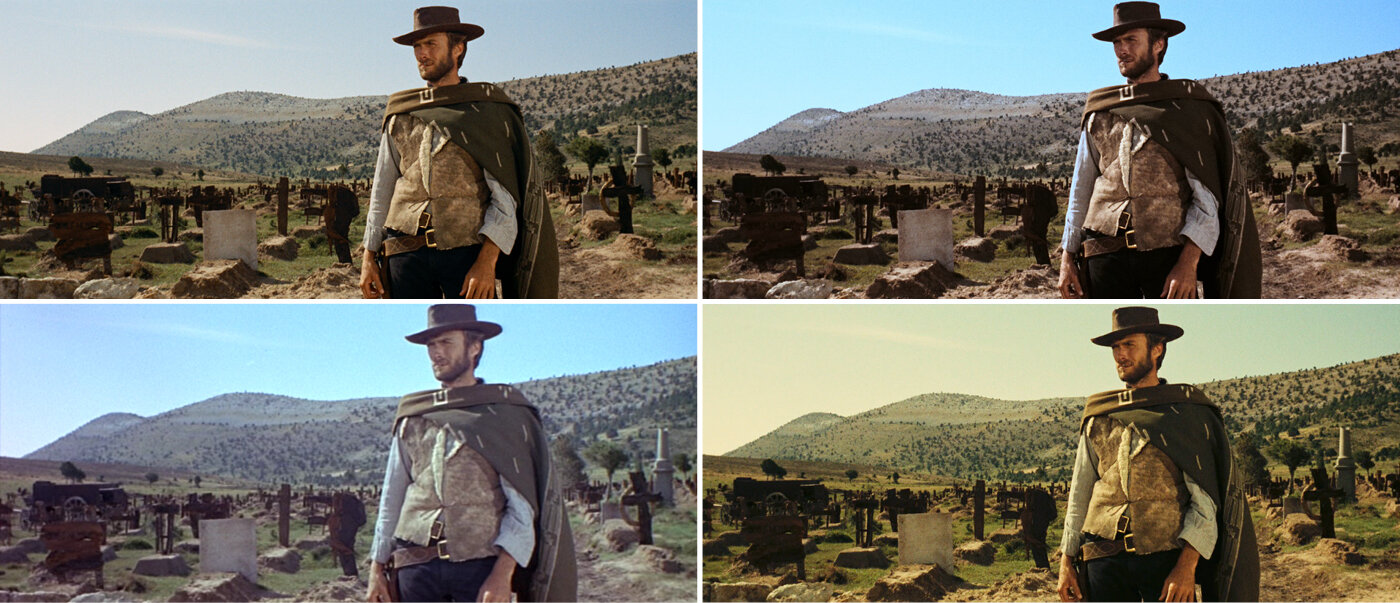
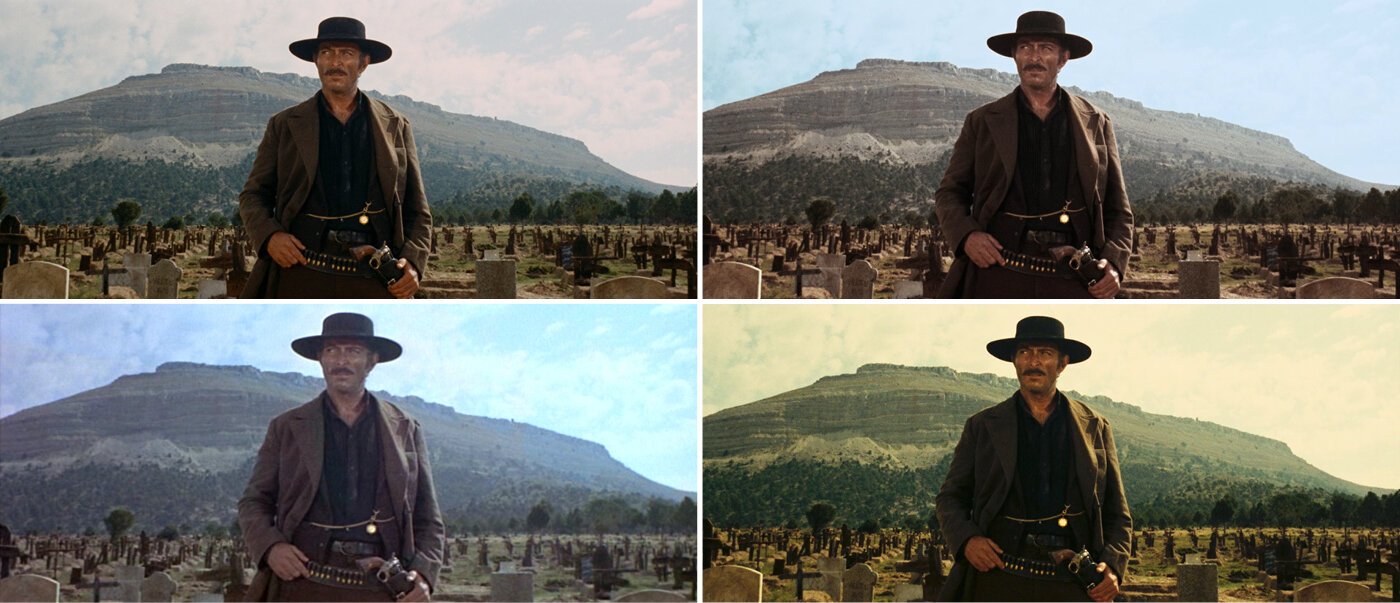
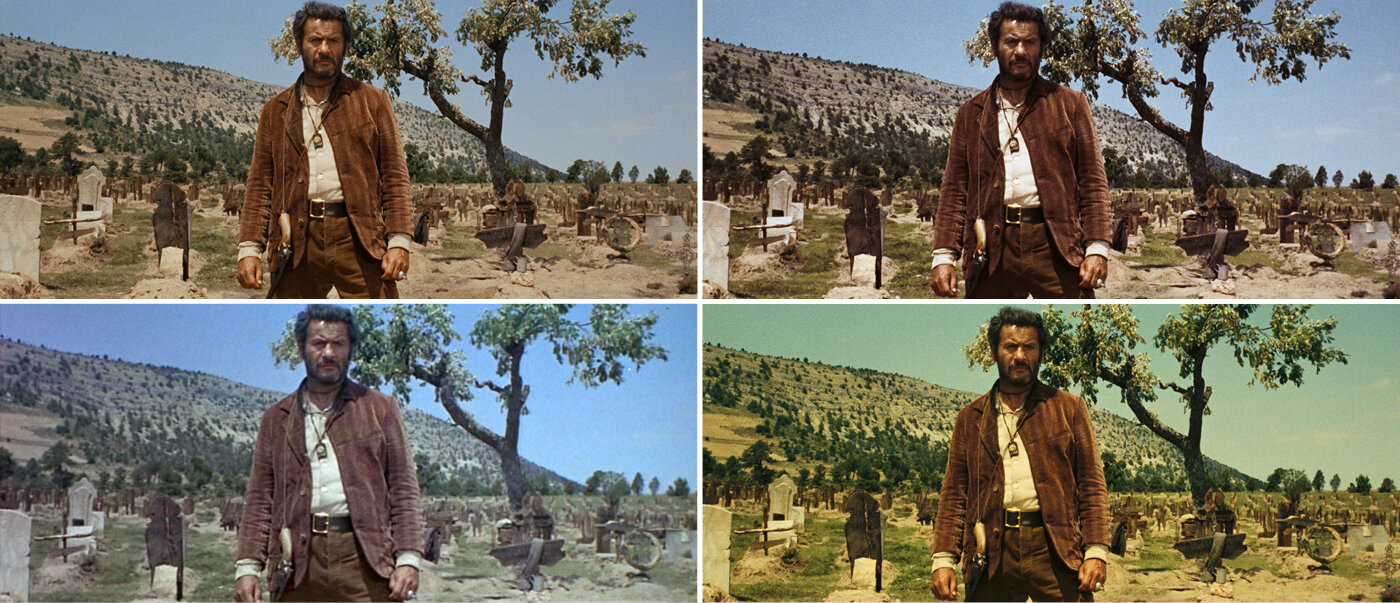
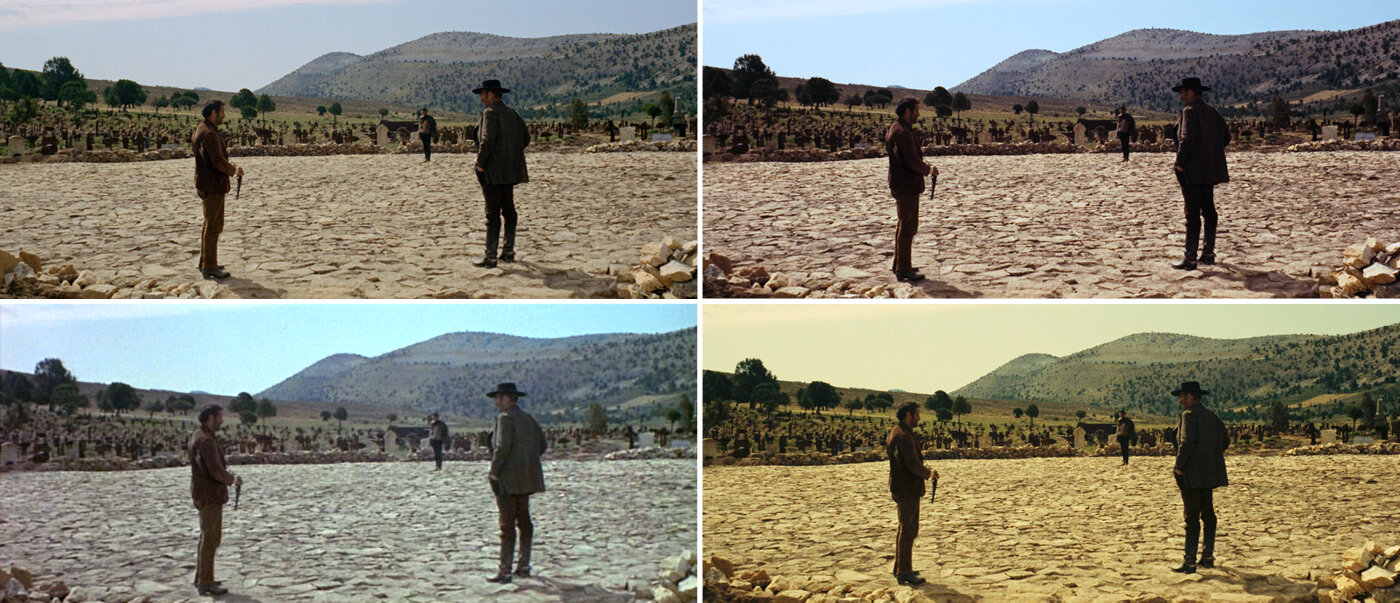
In 2011, inside the sterile, white-walled editing bays of Simon Fraser University, my roommate Willa Ross and I were engaged in a desperate act of digital archaeology. We were attempting to "hack" together a definitive version of Sergio Leone’s 1966 masterpiece, The Good, the Bad and the Ugly, using three separate, illegally obtained rips.
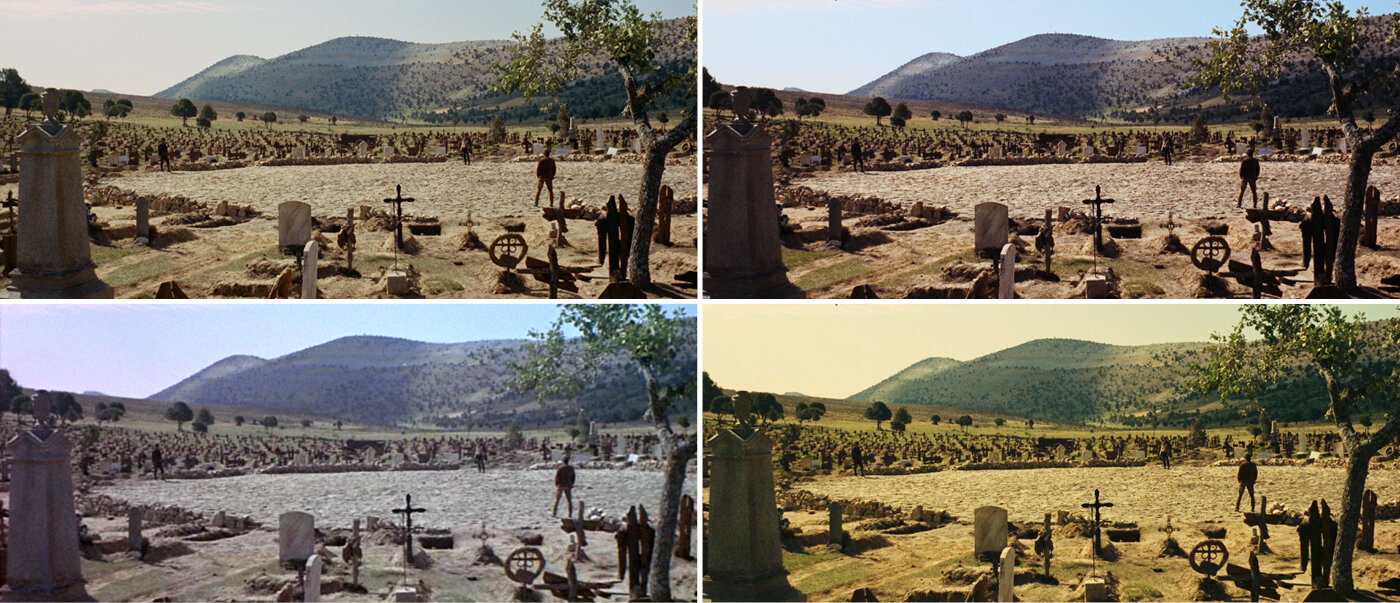
The catalyst for our obsession was a disastrous MGM "restoration" from the early 2000s. In an attempt to "improve" the film, the studio had:
- Re-inserted scenes Leone had intentionally excised.
- Bloated the English runtime from 161 to 179 minutes.
- Forced Clint Eastwood and Lee Van Cleef (via a soundalike) to dub new dialogue.
- Replaced the original mono track with a surround mix featuring anachronistic, jarring sound effects.
For nearly a decade, this "improved" revisionist cut was the only one available to the public.
Our Initial Strategy
We attempted to merge the audio from a rare 1998 DVD (which closely mirrored the 1967 international cut) with the visuals of a recently imported Italian Blu-ray. However, we hit a wall: the Italian cut was structurally different from the international one, with missing frames and a completely reorganized torture sequence.
The Systematic Erosion of Cinema
The struggle we faced is a microcosm of a larger problem: the versions of films available to the public are frequently deficient. This happens for several reasons:
- Corporate "Enhancements": Studios often use "new-and-improved" stickers to justify:
DNR(Digital Noise Reduction) that wipes away natural film grain.- Oversaturated colors or aggressive sharpening.
- Altered aspect ratios.
- Remixed audio that destroys the original soundstage.
- Institutional Apathy: Low budgets lead to technical negligence.
Spencer Draper (known as the Damn Fool Idealistic Crusader on YouTube) notes that studios often ignore glaring errors. In an interview, he highlighted the indifference of labels who might use a defective Paramount master with "frozen grain" without a second thought. A prime example is Once Upon a Time in the West (1968), which has suffered from a botched soundtrack error in the credits since 1984—a mistake born from trying to fix a previous 1970 error.
The Preservation Equation
In a theoretical sense, the goal of a perfect release can be viewed as:
The Role of the Boutique Label
This is where boutique labels—such as Criterion, Arrow, Kino, and Eureka—step in. Their mission is to present cinema as close to the filmmaker's original vision as possible. However, the quality of the result depends on what the label is given:
| Source Material Received | Label's Capability | Result |
|---|---|---|
| Fully Mastered File | Contractually bound to release as-is | Variable Quality |
| Raw Digital Scans | Partial or full cleanup performed | High Quality |
| No Source | Label must source, scan, and restore | Gold Standard |
The Director's Dilemma
Even with the best labels, there is a final hurdle: the filmmakers themselves. James Flower of Arrow Films points out that some directors suffer from a "revisionist impulse."
Wong Kar-wai, for instance, radically altered the color, aspect ratio, and sound of his older films for a 2021 Criterion set, justifying it by stating:
“No man ever steps in the same river twice, for it’s not the same river and he’s not the same man.”
Flower recounted a director who demanded a "sleek, modern, degrained" look that was physically impossible to achieve with photochemical processes. Despite Flower's suggestion to include both the original and the revised versions, the director refused.
Returning to the Underground
After witnessing the official MGM masters of the Dollars trilogy at a local cinema—and finding them wanting—Willa and I returned to our project. This time, we had superior tools: a high-bitrate Blu-ray for the image and an old LaserDisc for the pristine mono audio.
Our Restoration Checklist:
- Source high-resolution video
- Locate uncompressed mono audio
- Sync audio to frames
- Verify shot durations against 1967 prints
- Export final "Pirate" cut
def finalize_cut(video_track, audio_track):
    if video_track == "Italian_BluRay" and audio_track == "LaserDisc_Mono":
        return "Cinematic Perfection"
    else:
        return "Back to the drawing board"

print(finalize_cut("Italian_BluRay", "LaserDisc_Mono"))