California farmers are struggling to sell grapes as demand for wine drops
The Vineyards' Crisis: California Grape Growers Face a Market Collapse
It is currently harvest season in California's renowned wine regions, but the atmosphere is one of desperation rather than celebration. A sharp decline in consumer demand has left many growers unable to find buyers for their crops, leading to a systemic crisis across the state's agricultural landscape.
The Human Cost of Overproduction
For many families, this isn't just a financial dip—it's the end of a multi-generational legacy. Growers are being forced to make heartbreaking choices: harvest their fruit at a financial loss, leave perfectly good grapes to rot on the vine, or permanently remove vineyards pivot to more profitable crops.
Case Study: Berryhill Family Vineyards
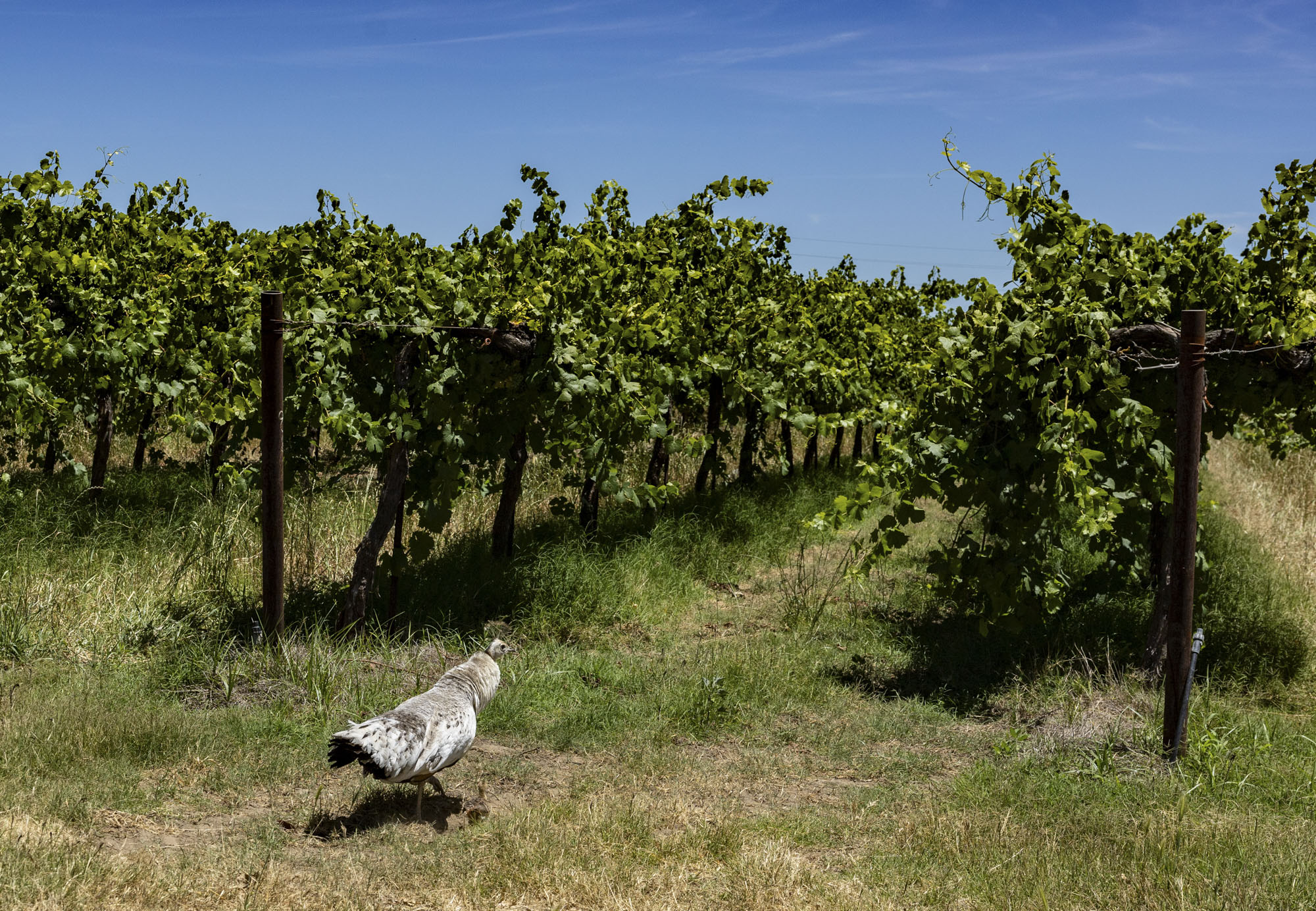
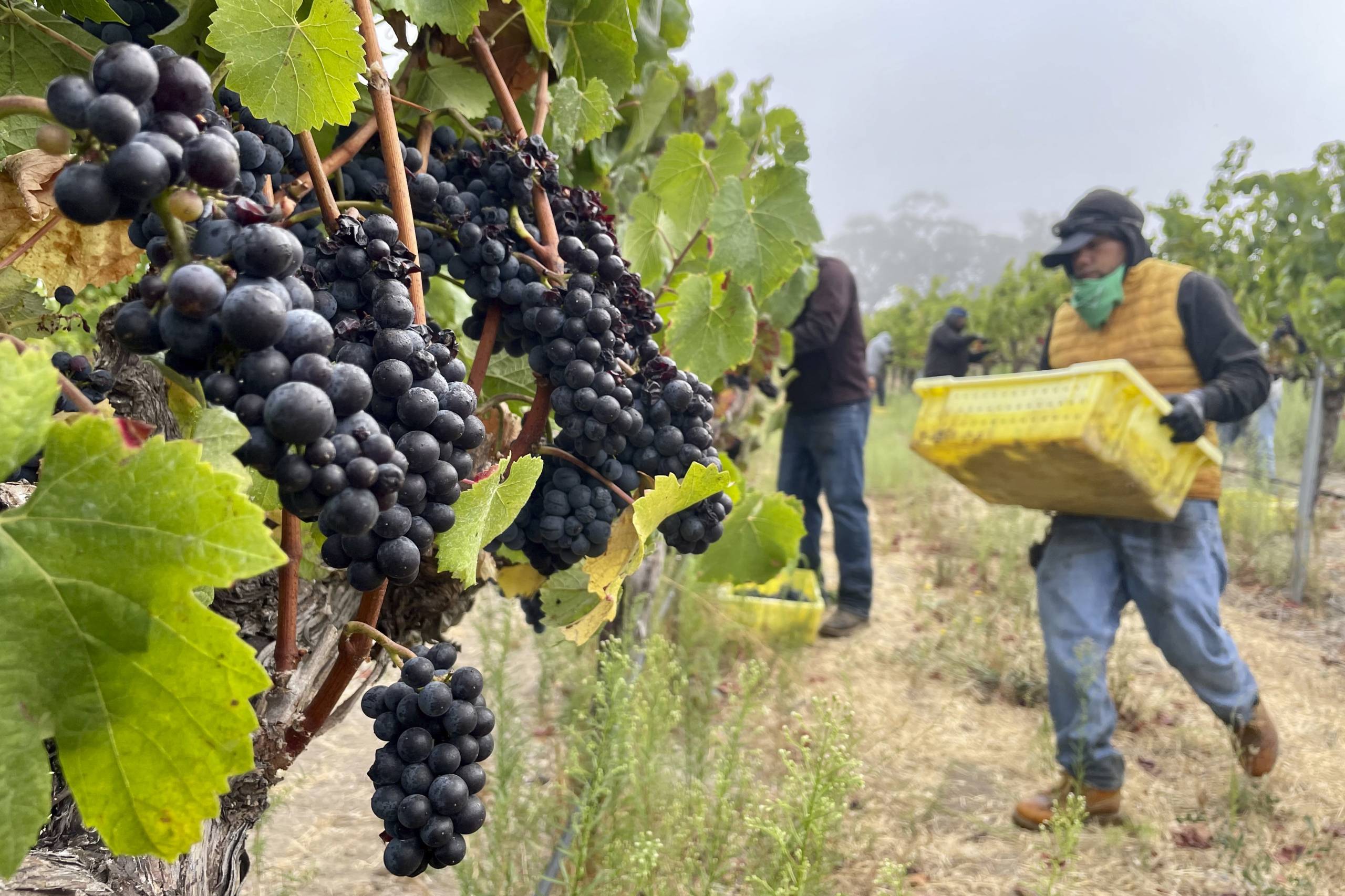
Bill Berryhill, a third-generation farmer near Lodi in the San Joaquin Valley, exemplifies this struggle. Despite a high-quality vintage, he cannot find buyers for grapes grown on 200 of his 500 acres.
"It’s just sickening," Berryhill remarked while standing among unsold
merlotgrapes. "You raise a beautiful crop... and you drop it on the ground. All your work is just down the toilet."
As a result of three consecutive years of losses, Berryhill intends to rip out 50 acres of his vineyards once the season concludes.
Industry Statistics and Market Erosion
The scale of the decline is staggering. According to Jeff Bitter, president of Allied Grape Growers, the industry is struggling to correct a massive supply-demand imbalance.
Vineyard Reduction and Contract Failures
- Peak Acreage: Nearly 600,000 acres.
- Current Status: Approximately 25% of that land has been removed or abandoned.
- Contract Gap: In a standard year, 70-80% of crops are contracted. This year,
~50%entered harvest without a buyer.
The Economic Ripple Effect
The crisis extends beyond the owners. Kyle Collins, an operations manager in Lodi, notes that the lack of sales creates a "trickle effect" that directly impacts the livelihoods of farmworkers and local businesses.
Analyzing the Sales Slump
California produces over 80% of all U.S. wine. While the industry saw a surge during the 2021 pandemic peak, the subsequent crash has been severe.
Market Data (2020 vs. 2025)
Data provided by First Citizens Bank (formerly Silicon Valley Bank) highlights the downturn:
| Metric | 2020 Value | 2025 Value | Percentage Change |
|---|---|---|---|
| Cases Sold | 427 Million | 329 Million | |
| Total Spending | $94 Billion | $74 Billion |
Why is Demand Dropping?
The industry is facing a "perfect storm" of demographic shifts, global economic pressures, and evolving tastes.
1. Changing Consumer Habits
- Demographics: Baby boomers (the primary drivers of
cabernetandchardonnaysales) are aging out. - Youth Trends: Younger generations are avoiding alcohol due to financial constraints and health consciousness.
- Competition: Wine is losing ground to:
- Craft beers and spirits.
- Canned cocktails and hard seltzers.
- Cannabis.
2. Global and Political Pressures
The U.S. cannot simply export its way out of the surplus because global consumption is also falling.
- Global Trend: Consumption dropped from 2024 to 2025 and since 2018.
- Trade Barriers: Tariffs have crippled exports, specifically to Canada, previously the top foreign buyer of American wine.
The Path Forward: Diversification
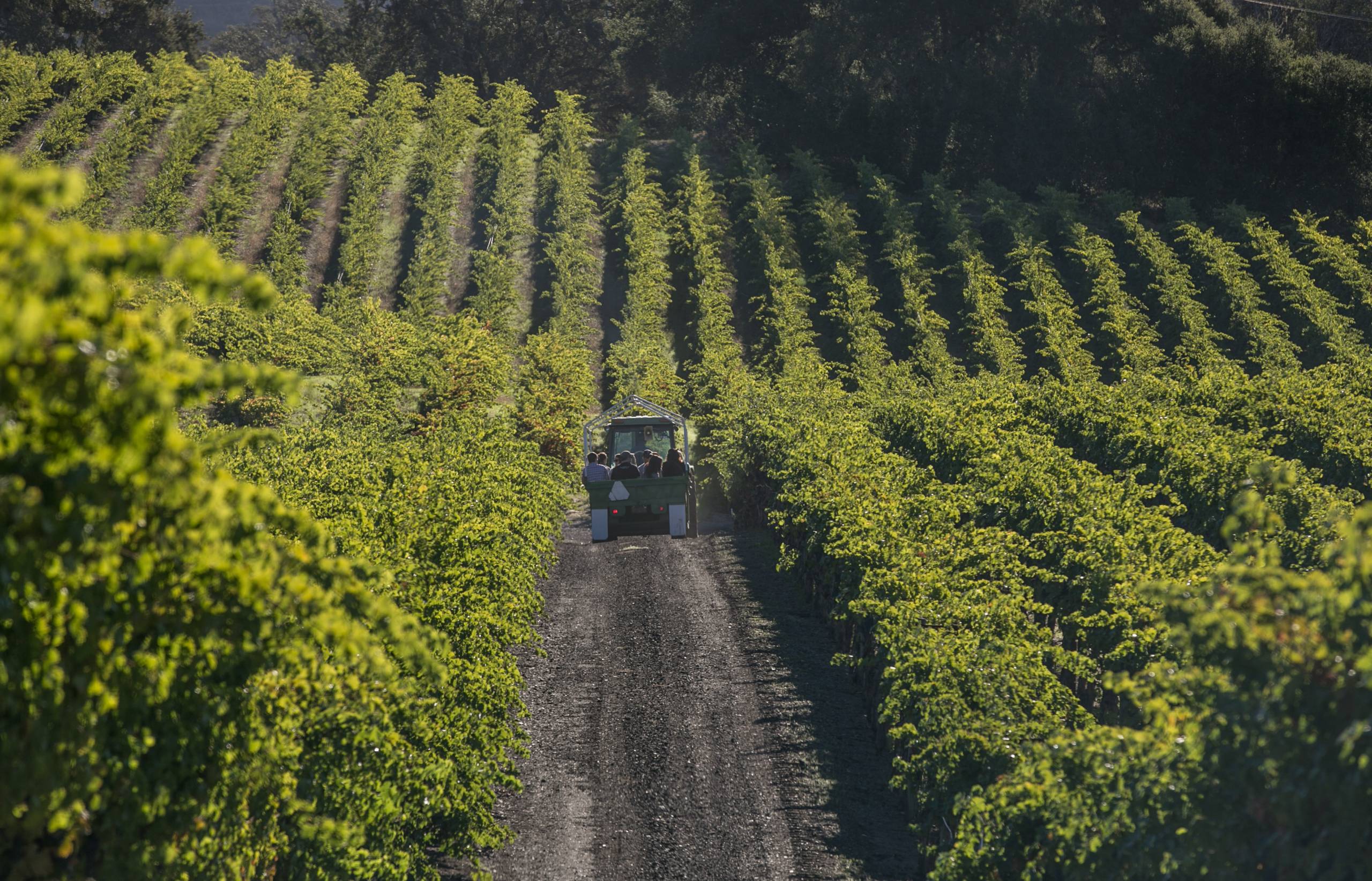
To survive, farmers are treating their land as a flexible asset. Many are transitioning from wine grapes to high-demand nut and fruit crops:
- Almonds
- Walnuts
- Pistachios
- Olives
{
  "market_status": "Depressed",
  "primary_risk": "Overproduction",
  "recommended_action": "Supply-Demand Balancing",
  "future_focus": "Consumer Preference Research"
}
As the industry attempts to heal, the goal is no longer just about growing more, but about discovering what the modern consumer actually wants to drink.