Treachery in the Rodin Museum 3D scan verdict
Treachery in the Rodin Museum: The 3D Scan Verdict
By Cosmo Wenman | September 28, 2026
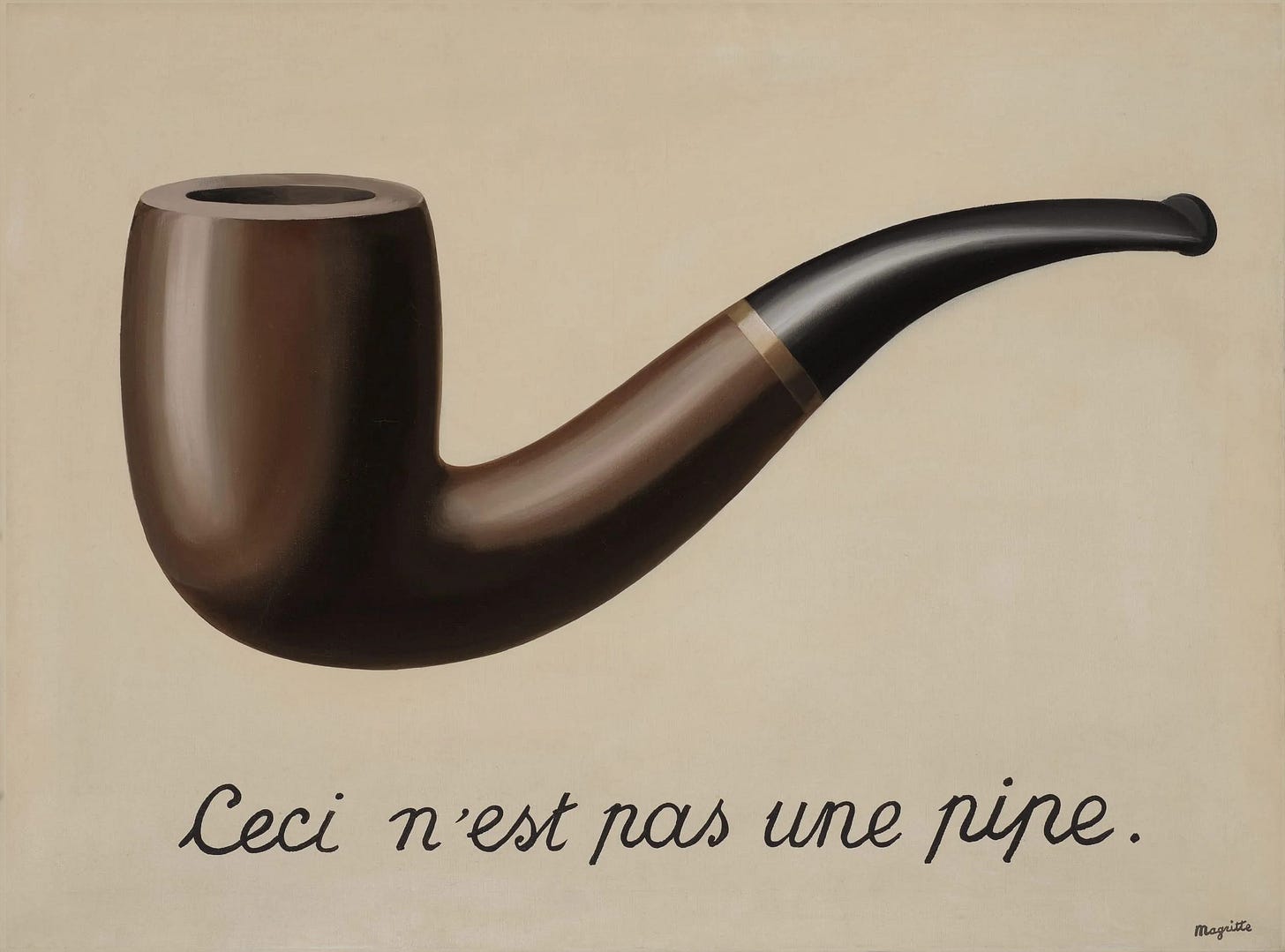 The Treachery of Images, René Magritte, 1929
When you find yourself in an eight-year legal battle over freedom of information, and the legal analyst for France's highest administrative court invokes surréalisme to suggest that "sometimes a document is not a document," you can be certain that the outcome will be disastrous.
The Genesis of the Conflict
In 2017, I began contacting the Rodin Museum to request the identification and public release of 3D scans of Auguste Rodin’s sculptures. These works are among the most iconic examples of public domain cultural heritage globally.
The response from the museum administration was a masterclass in:
- Persistent dishonesty
- Strategic "weaponized" incompetence
- Blatant disregard for the law
The CADA Intervention
When Alexis Fitzjean Ó Cobhthaigh, a civil rights advocate in Paris, stepped in to formalize the request, the museum sought guidance from the Commission on Access to Administrative Documents (CADA).
The CADA's verdict was clear: the scans were administrative documents and, as such, were required to be accessible to the general public.
Despite this, the museum's director admitted in writing to the Ministry of Culture that she intended to follow the law ignore the FOI law and force me to seek the documents through litigation.
The Legal Escalation
In 2019, a lawsuit was initiated in the Administrative Tribunal of Paris. I was joined by several advocacy groups dedicated to digital rights and open culture:
- Communia
- Wikimédia France
- La Quadrature du Net
Our counsel, Fitzjean Ó Cobhthaigh, warned us that while the law was on our side, the judiciary often shows extreme deference to institutions like the Rodin Museum. Unfortunately, this deference manifested as a willingness to reward the museum for its deception.
Timeline of the Dispute
A Pattern of Deception
Throughout the proceedings, the Rodin Museum employed a series of contradictory and baseless arguments. They attempted to paint me as a potential criminal counterfeiter while simultaneously claiming they were too technologically illiterate to manage their own files.
Claims vs. Reality
| Museum's Assertion | The Actual Fact |
|---|---|
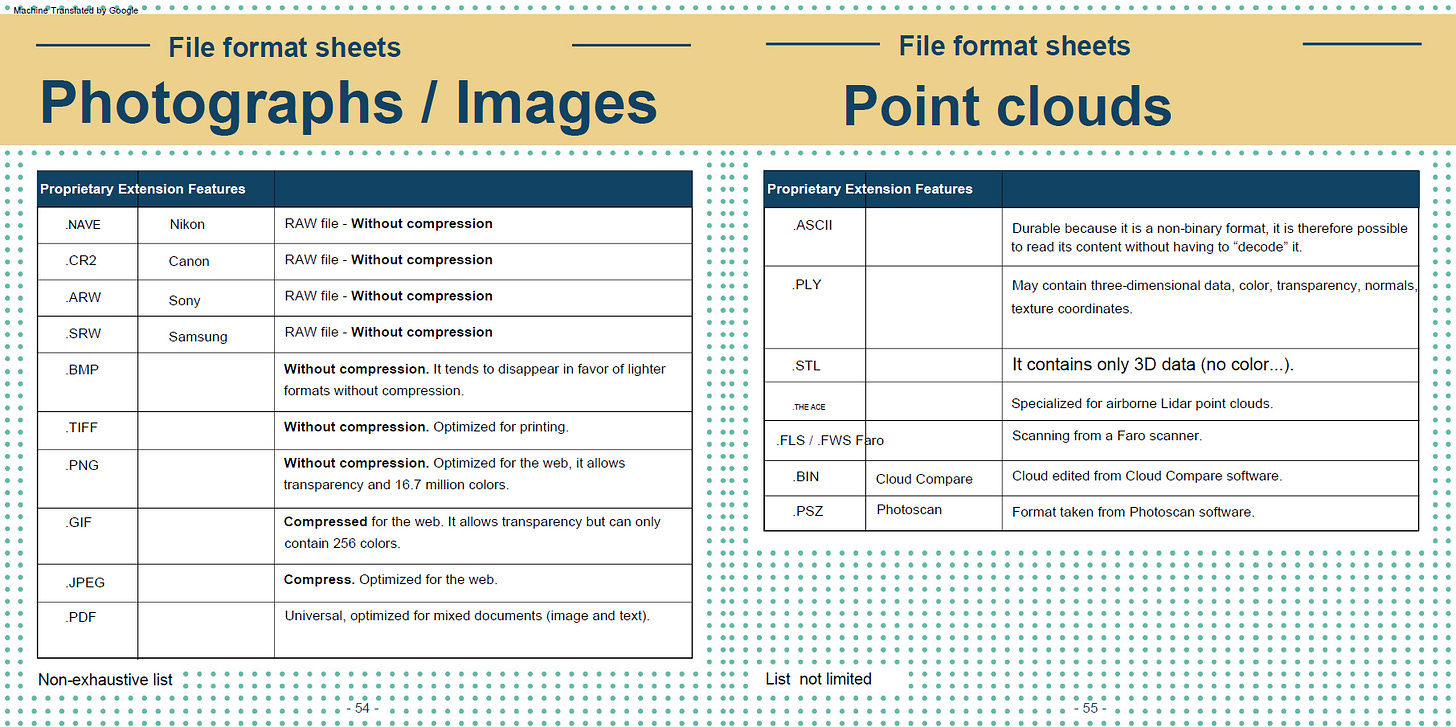
| Scans are too "mysterious" or poor quality to visualize. | High-res laser point clouds in open plaintext formats. |
| Funding applications for scans do not exist. | Applications were discovered via separate FOI procedure. |
| Les Trois Ombres was never scanned. | Evidence exists of subcontractors scanning the work. |
| Scans are unusable. | Scans are high-value assets that could be used by counterfeiters. |
The museum's technical claims were particularly absurd. They argued that their 3D point cloud documents—which typically use simple plaintext formats like .txt or .xyz—were incomprehensible.
# Example of the "mysterious" plaintext format the museum claimed was unusable:
# X, Y, Z, R, G, B
# 12.453, 45.122, 8.901, 255, 255, 255
# 12.454, 45.123, 8.902, 250, 250, 250
 Visualizations of scans for Le Penseur, La Porte de l'Enfer, Les Trois Ombres, and Le Baiser.
 Proof of the scanning of Les Trois Ombres.
The Verdict and the Aftermath
In December 2023, the Paris court dismissed the museum's arguments regarding intellectual property, business models, and trade secrets. The court ruled that 3D scans are indeed administrative documents.
The legal victory was quantified as:
However, the victory was hollow. The Rodin Museum and the Ministry of Culture simply refused to comply with the order. Furthermore, the judges—seemingly swayed by the museum's "hand-waving" about technology—ignored expert testimony and invented a new legal loophole: point cloud documents in open formats can be withheld from the public.
By late 2023, we were forced to appeal this "point cloud exception" to the Conseil d’État.