'Jonathan' is the oldest land animal on Earth
Jonathan: The Earth's Most Ancient Land Resident
Could a single tortoise hold the blueprint for immortality?
By Becky Ferreira | October 7, 2026
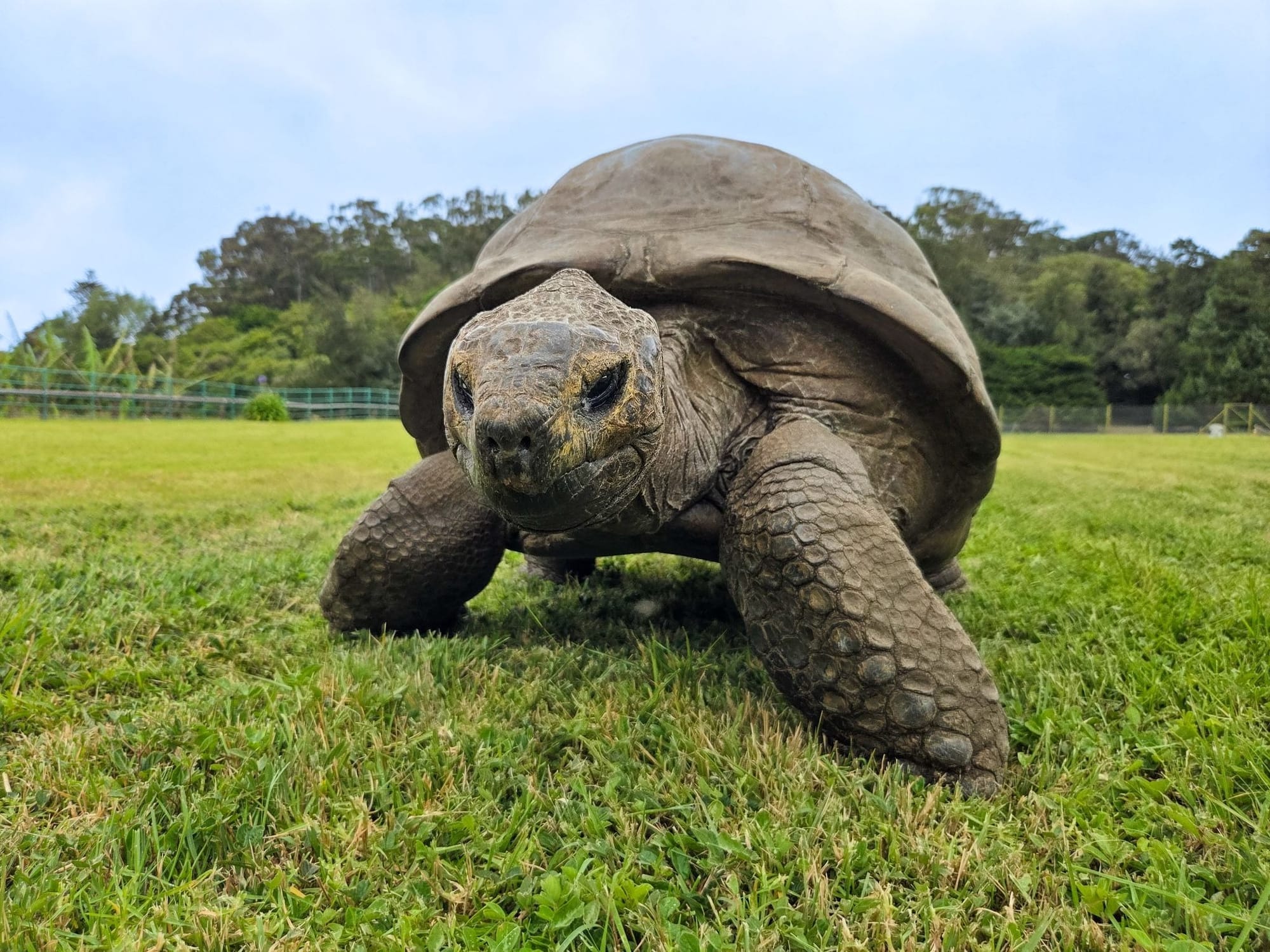
Jonathan, an Aldabra giant tortoise (Aldabrachelys gigantea), is currently the oldest known land animal on the planet. At approximately 194 years old, he has survived through nearly two centuries of global upheaval. To uncover the biological mechanisms allowing such extreme longevity, researchers have successfully sequenced his genome, with the findings published this Wednesday in Science Advances.
A Living Piece of History
Jonathan's life spans an incredible timeline. Hatched around 1832 in the Seychelles, his life has intersected with some of history's most pivotal moments:
- Pre-Civil War: He was already alive before the American Civil War began.
- Darwinian Era: He was in his twenties when Charles Darwin released On the Origin of Species.
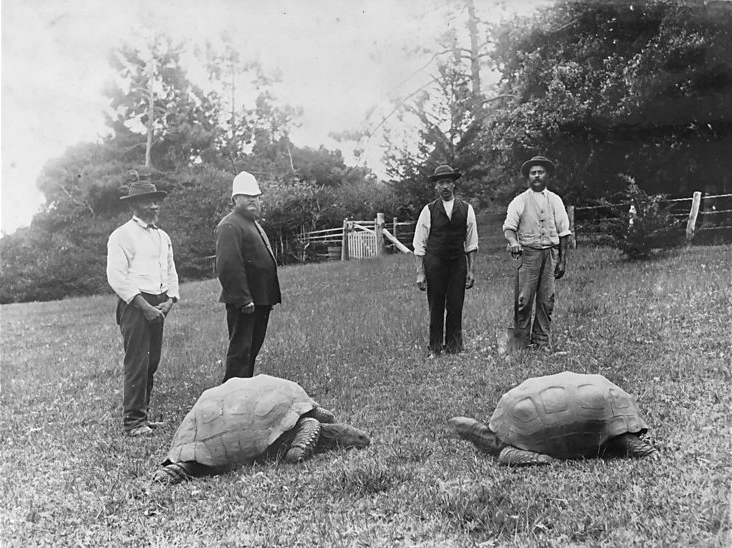
- Colonial Gift: In the 1880s, while in his fifties, he was transported to the island of Saint Helena as a present for the British colonial governor.
Interestingly, the island of Saint Helena is also the final resting place of Napoleon Bonaparte, who passed away roughly a decade before Jonathan was even born.
The Quest for the Genetic Secret
While many Aldabra tortoises reach 100 years, Jonathan is a statistical anomaly. To investigate this, scientists from the non-profit Kallel Foundation compared Jonathan's genetic makeup to other tortoises, such as a 36-year-old named Tank.
The Research Journey
The process of obtaining the data was fraught with challenges:
- Initial contact with caretakers (2017)
-
Perform a blood drawDeemed too hazardous for the animal - Coax Jonathan to open his mouth for a cheek swab
- Navigate COVID-19 pandemic delays
- Comply with new access regulations for the tortoise
- Transport samples from Saint Helena to Florida, USA
Comparative Analysis
The researchers looked at the difference in age between subjects using LaTeX to denote the span:
| Subject | Age | Key Genetic Focus |
|---|---|---|
| Jonathan | ~194 | Extreme Longevity / Low Entropy |
| Tank | 36 | Standard Aging Baseline |
| Juvenile | 5 | Early-life Methylome Baseline |
Biological Findings
The study identified several gene variants in Jonathan that are linked to the "hallmarks of aging."
"Aging is very complicated, and there's all these different hallmarks," explained Stephen Clark, a researcher at Kallel Labs. "We're still just at the very beginning of trying to understand aging."
Key Longevity Pathways
The team found unique variants in the following areas:
- DNA Repair: Enhanced ability to fix genetic mutations.
- Insulin Regulation: Optimized metabolic control.
- Autophagy: Efficient
cellular recyclingprocesses. - Telomere Maintenance: Preservation of the protective caps on chromosomes.
The "Low Entropy" Surprise
The most shocking discovery was found in Jonathan's methylome (the modifications that control gene expression). While most of his genome showed wear and tear consistent with his age, his mitochondrial methylome remained remarkably "pristine."
This suggests that the mitochondria—the powerhouses of the cell—might be the key to his defiance of death.
Looking Toward the Future
The ultimate objective of the Kallel Foundation is not just to study tortoises, but to translate these findings into human medicine. By identifying these targets, they hope to increase the human healthspan and overall lifespan.
def calculate_longevity_potential(species_data):
    if species_data['mitochondrial_entropy'] == 'low':
        return "Potential for extreme lifespan"
    else:
        return "Standard aging process"

# Result for Jonathan: "Potential for extreme lifespan"
Today, Jonathan continues to enjoy his retirement at the Plantation House, the governor's residence on Saint Helena, where he remains a beloved attraction for tourists from around the world.