Dam removals are bringing fish back across the northeastern United States
Restoring the Flow: The Resurgence of Fish in the Northeastern United States
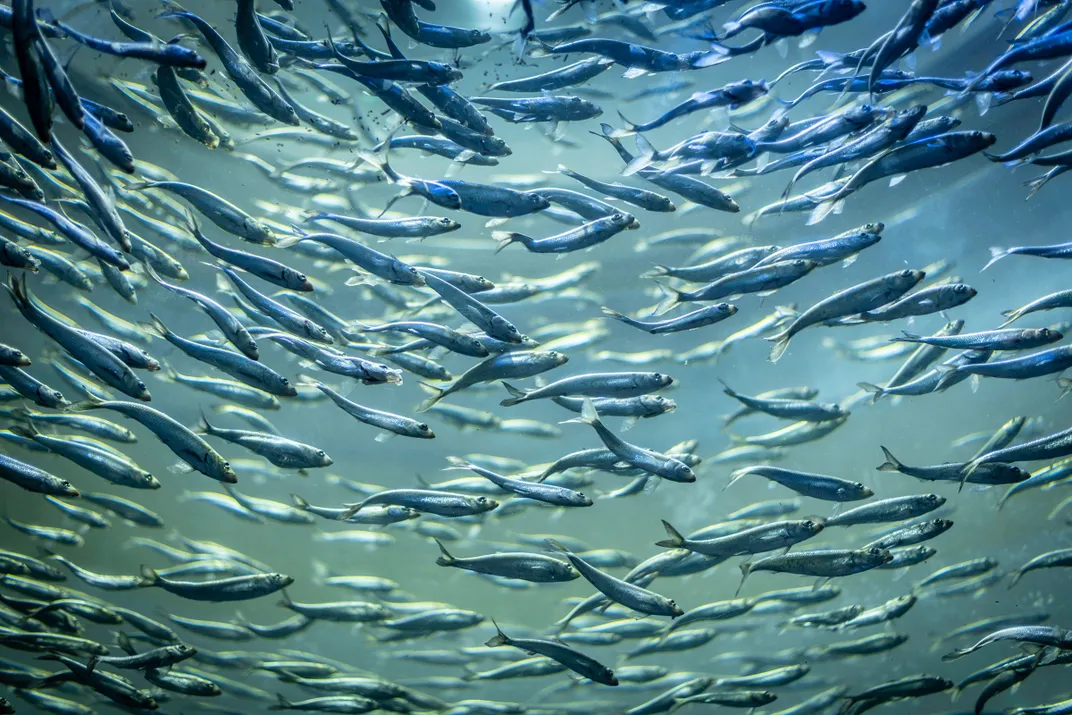
While the massive demolition projects of the American West often dominate the headlines, a quieter but equally vital movement is unfolding in the Northeast. Obsolete barriers are being dismantled from eastern streams and rivers, allowing blocked migratory fish—specifically herring—to return in massive numbers.
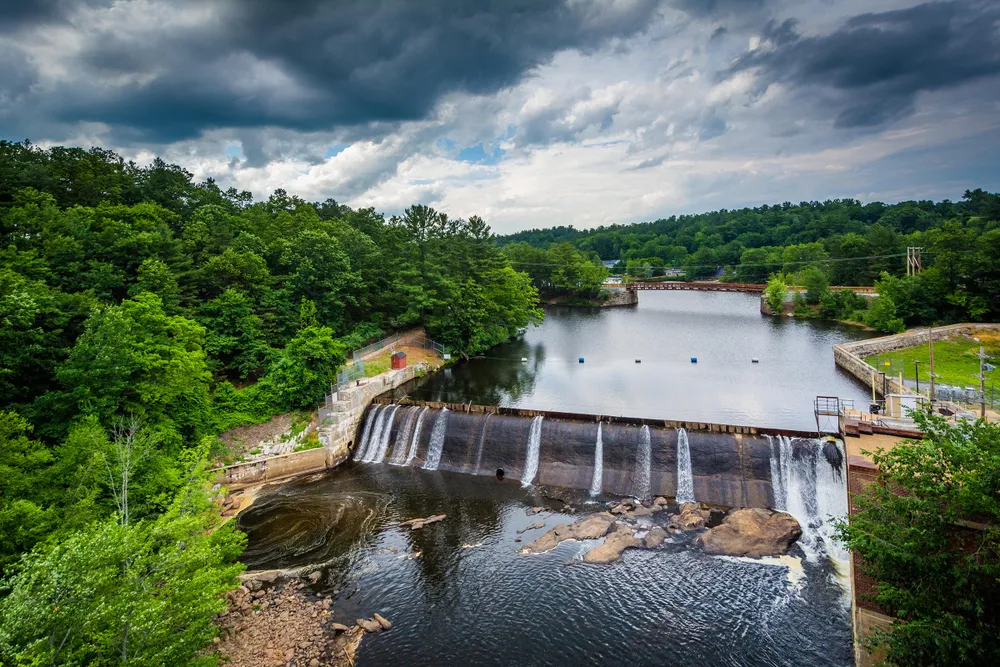
A Historical Grudge: Thoreau and the Talbot Mills Dam
The struggle against river obstructions is not new. In 1859, a group of Billerica, Massachusetts farmers grew tired of a dam on the Concord River that was flooding their hayfields. To build a legal case for its removal, they hired a surveyor.
That surveyor was none other than Henry David Thoreau. While Thoreau viewed the technical act of surveying as drudgery, he had a personal vendetta against the Talbot Mills Dam. A decade prior, in A Week on the Concord and Merrimack Rivers, Thoreau had criticized the structure for obstructing the migration of spawning fish, particularly the American shad.
Despite Thoreau's meticulous measurements of the riverbed and high-water marks, the Massachusetts state court ultimately allowed the dam to stand. Thoreau reflected on the stubbornness of such structures, noting:
“Perchance, after a few thousands of years, if the fishes will be patient, and pass their summers elsewhere meanwhile, nature will have leveled the Billerica dam.”
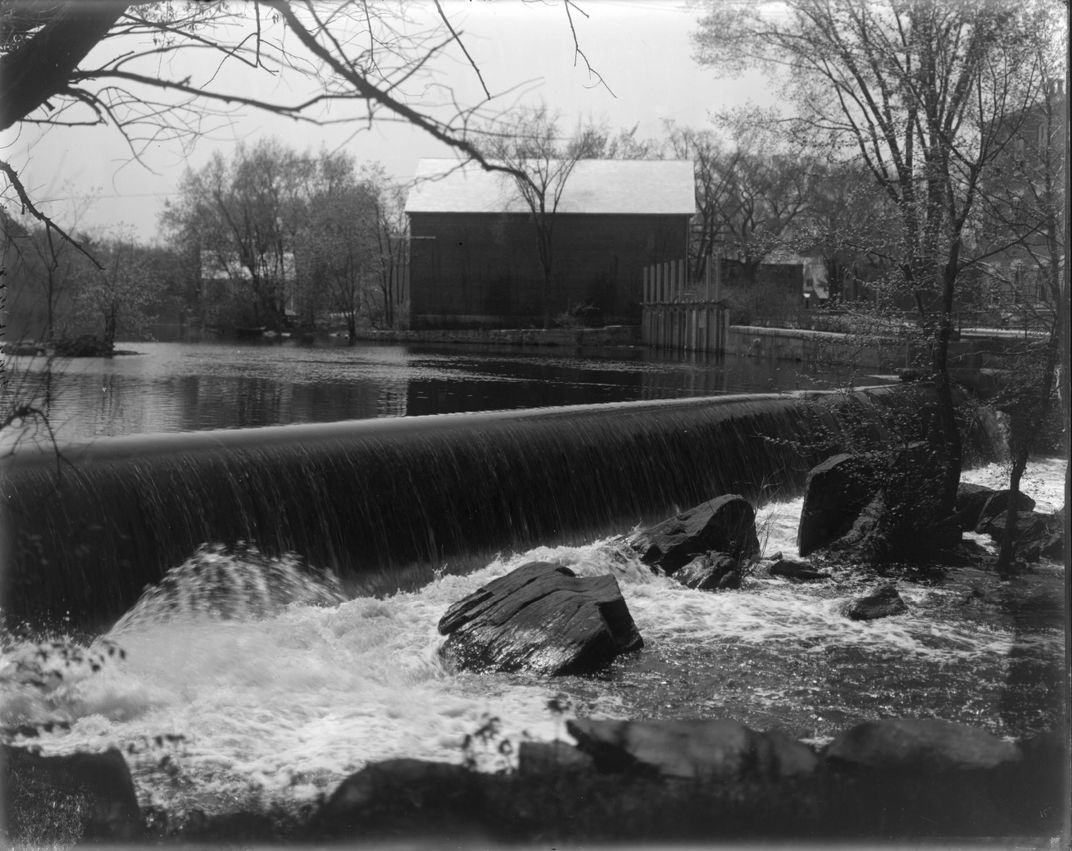
The National Trend of "Undamming"
Fortunately, nature hasn't had to wait millennia. Since 1912, the U.S. has purged over 2,300 dams, with the vast majority removed in the last 25 years. The movement reached a crescendo in 2024, reconnecting over 2,500 miles of fragmented waterways.
The Western Giants
The most publicized successes have occurred in the West:
- The Elwha River (Washington): The removal of two major walls allowed coho, chinook, steelhead, and other salmonids to surge back into their ancestral homes.
- The Klamath River (California/Oregon): A massive effort to restore spawning habitats.
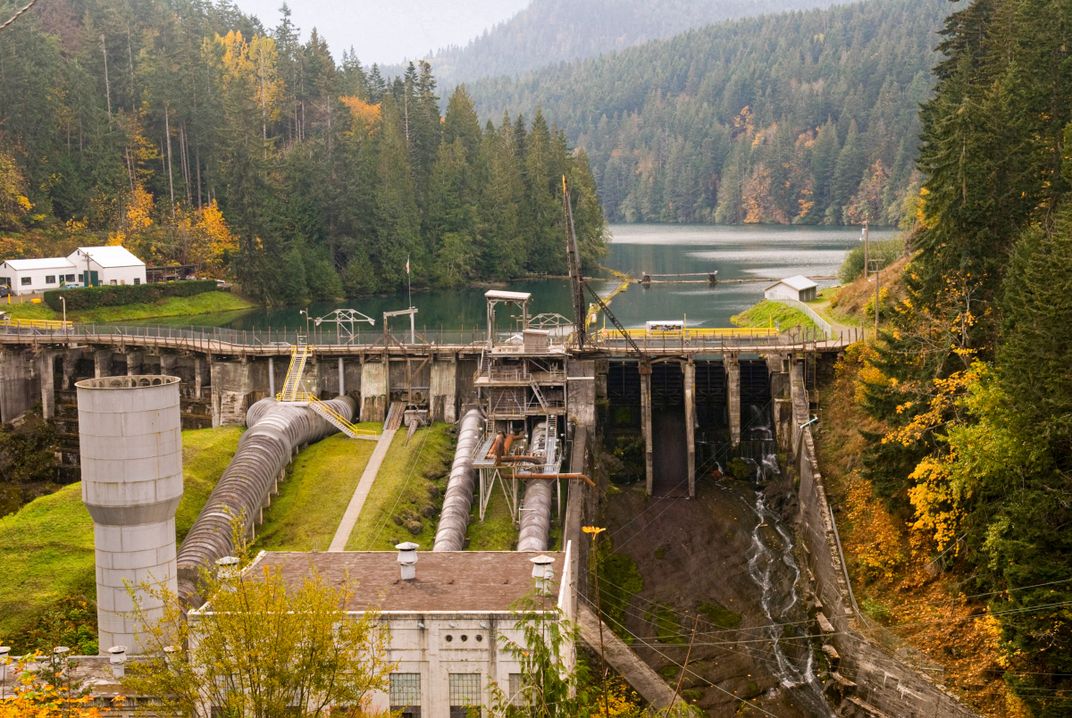
Case Study: Klamath River Removal
| Metric | Detail |
|---|---|
| Project Cost | $500 Million |
| Dams Removed | 4 |
| Habitat Opened | 400+ miles |
| Primary Species | Chinook Salmon |
| Completion Date | August 2024 |
The Northeastern Renaissance
While the West has the "big" dams, the East has the most removals. These projects are smaller and less flashy, but they are numerous. In 2024 alone, several barriers vanished:
- Vermont: Blake Higgins Dam
- Maine: Edes Falls Dam (Crooked River)
- New Hampshire: Kimball Brook Dam
- Pennsylvania: 27 obsolete barriers (all feet tall)
Even the centuries-old Talbot Mills Dam—Thoreau's old nemesis—is now a candidate for removal.
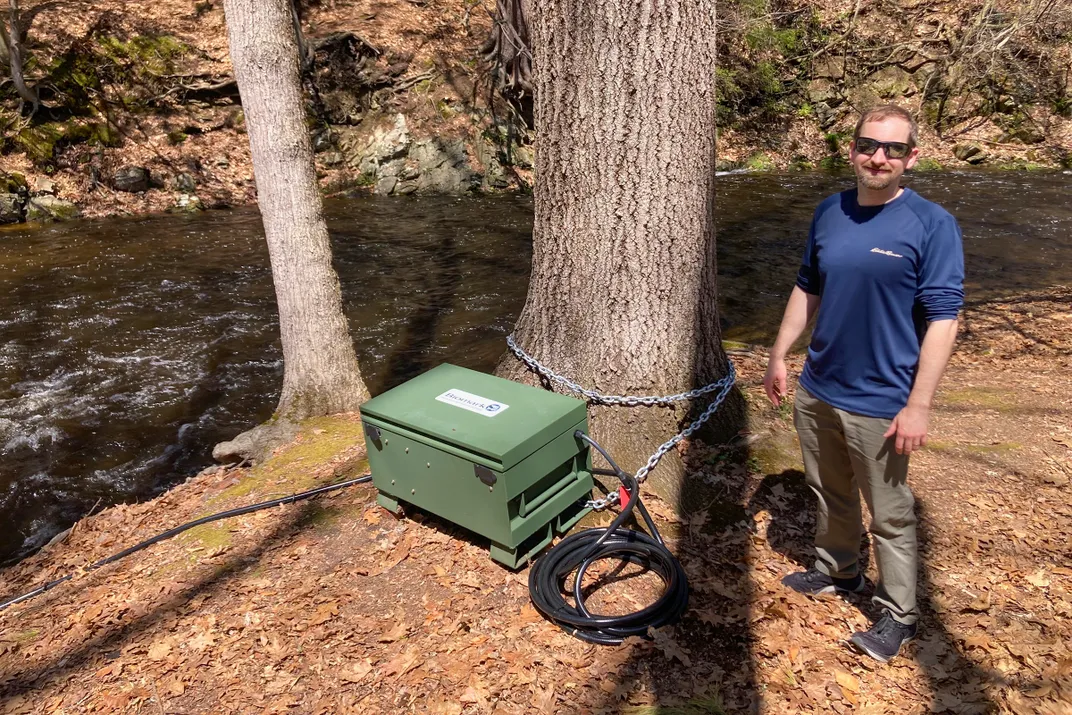
Nathan Furey, a fish biologist at the University of New Hampshire, describes this era as a "dam-removal renaissance." Mathematically, we can express this trend as:
The Road Ahead
Despite the progress, the scale of the challenge remains daunting. An inventory suggests that at least 35,000 dams still obstruct fish runs in the Northeast.
Remaining Barriers to Address:
- Massachusetts: dams
- Connecticut: dams
- New York: dams
As Furey and other conservationists continue their work, the goal is to ensure that the "patience" Thoreau attributed to the fish is no longer required. By stripping away these tiny barriers, the natural rhythm of the northeastern rivers is finally returning.