Tiny possum and glider thought extinct for 6000 years found in remote West Papua
Rediscovery of "Extinct" Marsupials in West Papua
Date: 6 March 2026
Reporting: Lana Lam (Sydney) & Carlos Bocos
In a scientific breakthrough described as "exceptional," researchers have located two animal species in the remote rainforests of West Papua that were believed to have vanished years ago.
The animals—a tiny possum and a specialized glider—were thought to be extinct long gone, but they have been found thriving in isolation. This finding was detailed in the latest issue of the Records of the Australian Museum journal.
Scientific Note: This phenomenon is referred to as a lazarus taxon. The term is a reference to the biblical figure Lazarus, who was brought back to life, symbolizing a species that reappears after a long period of being absent from the fossil record or sightings.
The Rediscovered Species
The two marsupials possess unique biological adaptations that allow them to survive in their specific niches.
| Species | Weight/Physical Trait | Primary Characteristic | Habitat/Diet |
|---|---|---|---|
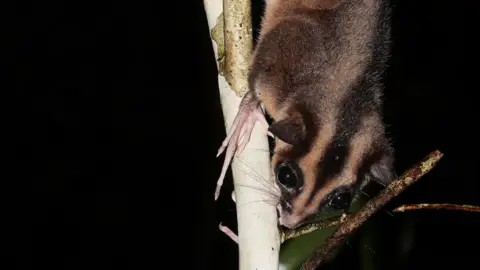
| Pygmy Long-fingered Possum | Fourth finger is the length of others | Digs out wood-boring insect larvae | |
| Ring-tailed Glider | Not specified | Prehensile tail for gripping | Hollows of towering trees |
The Pygmy Long-fingered Possum
This striped marsupial is believed to have disappeared from the Australian mainland during the Ice Age. Its most striking feature is the elongated fourth digit on each hand, which serves as a specialized tool for extracting larvae from wood.
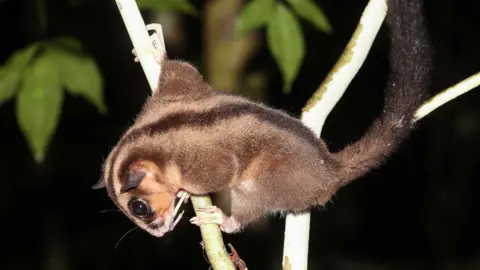
The Ring-tailed Glider
Similar to the greater glider found in Australia, this species makes its home in the cavities of tall trees.

The Path to Discovery
The rediscovery was not a matter of luck, but a meticulous process of "piecing together a puzzle." The research team, including Prof Tim Flannery (author of The Weather Makers), Prof Kris Helgen, and experts from the University of Papua, followed a specific investigative pipeline:
The Role of Indigenous Knowledge
The scientists collaborated with the Maybrat and Tambrauw clans. Some members of these communities have had minimal contact with the outside world since the 1960s. Rika Korain, a Maybrat woman and co-author of the study, emphasized that the identification would have been impossible without the clans' guidance.
Prof Flannery noted that the local people are deeply traditional. In particular, the ring-tailed glider is viewed as so sacred that the locals:
- Refuse to hunt the animal.
- Will not even speak its name.
Conservation and Threats
Despite the joy of their rediscovery, the future of these species is precarious. The primary threat is logging, which is destroying the gliders' essential habitat.
To combat this, scientists and environmental organizations are working toward the following goals:
- Secure native title for the rainforests.
- Ensure logging cannot occur without explicit local consent.
- Establish protected zones for the lazarus taxa.
Related News & Updates
- Paleontology: A new dinosaur species has been identified from island fossils.
- Ancient Life: Researchers have found a new relative of the ancient crocodile.
- Digital Archives: Jurassic Coast fossil records are now available online.
(Note: Other regional news includes reports on an attack on an Australian MP and cricket updates regarding the South Africa Test match.)